
Storm Drain Cleaning Services: What Homeowners Need to Know
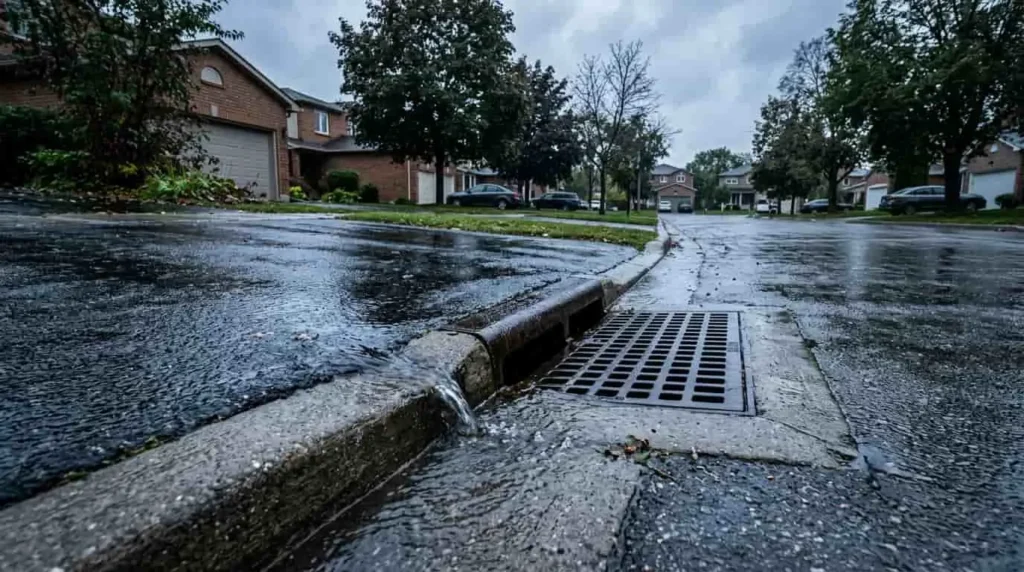
Storm drain cleaning services clear leaves, sediment, and debris out of the pipes and catch basins that carry rainwater away from your home. If you’ve ever watched water pool at the end of your driveway instead of draining away during a downpour, that’s usually the first sign a professional cleaning is overdue. This guide walks through what these services cost, how often you actually need them, and when it makes sense to call a pro instead of grabbing a garden hose.
What Storm Drain Cleaning Services Actually Do
A storm drain is different from the sewer line that carries wastewater out of your kitchen sink or bathroom. Storm drains exist purely to move rainwater and runoff away from streets, driveways, and yards before it floods a basement or undermines a foundation. Over a season, that system collects leaves, grit, sand, and yard debris, and it slowly loses capacity.
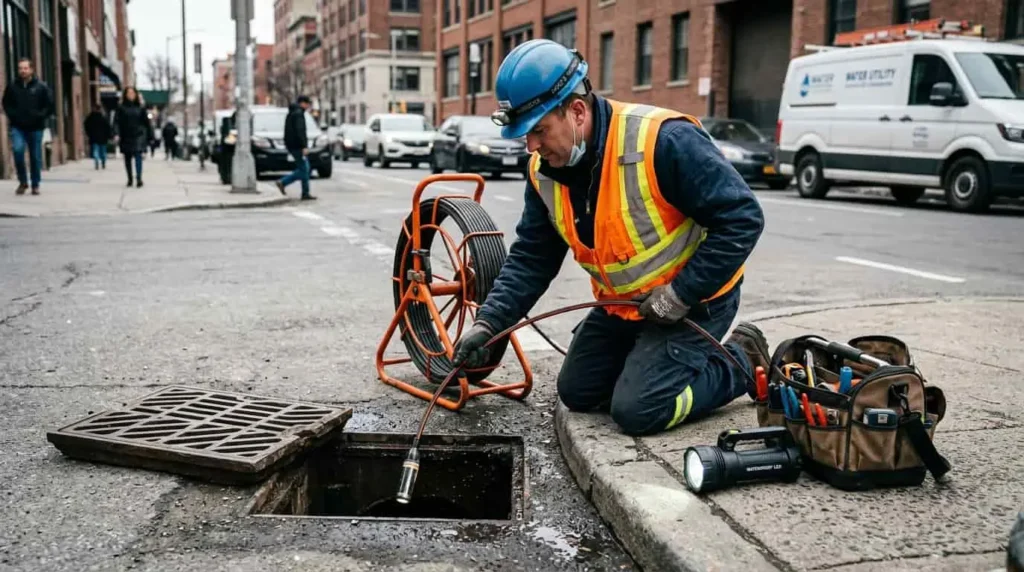
A typical storm drain cleaning service starts with a camera inspection to spot the blockage and check the pipe’s condition. From there, technicians usually turn to high-pressure water jetting, which blasts caked-on sediment and debris off the pipe walls rather than just punching a hole through the clog. For catch basins, a vacuum truck sucks out accumulated sludge and trash directly from the structure. Larger commercial and municipal jobs may also involve mechanical cleaning equipment for pipes too large or too packed for jetting alone.
Homeowners often assume this is a job for a shovel and a garden hose. It can be, for a shallow catch basin with light leaf buildup. But once sediment compacts or a pipe run gets long, the equipment gap between DIY and professional service becomes the difference between a temporary fix and an actual solution.
Do You Need Storm Drain Cleaning Right Now?
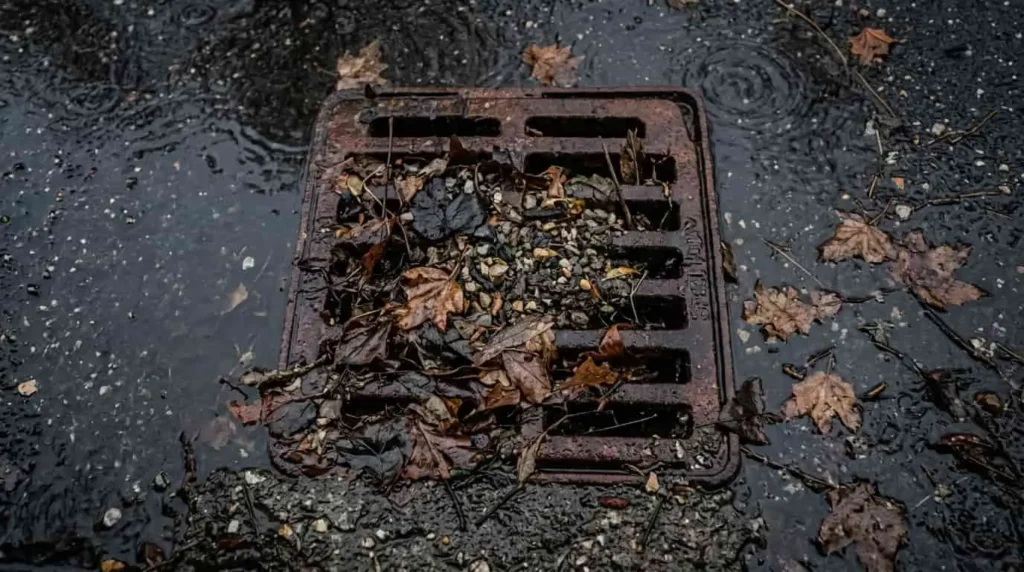
If water is pooling in your yard or driveway after rain, you hear gurgling near a drain, or a storm is forecast, and your drain has been sluggish all season, you need storm drain cleaning services before the next heavy rain, not after. Standing water and slow drainage are the two clearest signals that debris has built up enough to matter, and both tend to get worse fast once the ground is already saturated.
Signs Your Storm Drain Needs Professional Attention
A few warning signs tend to show up before a full blockage does:
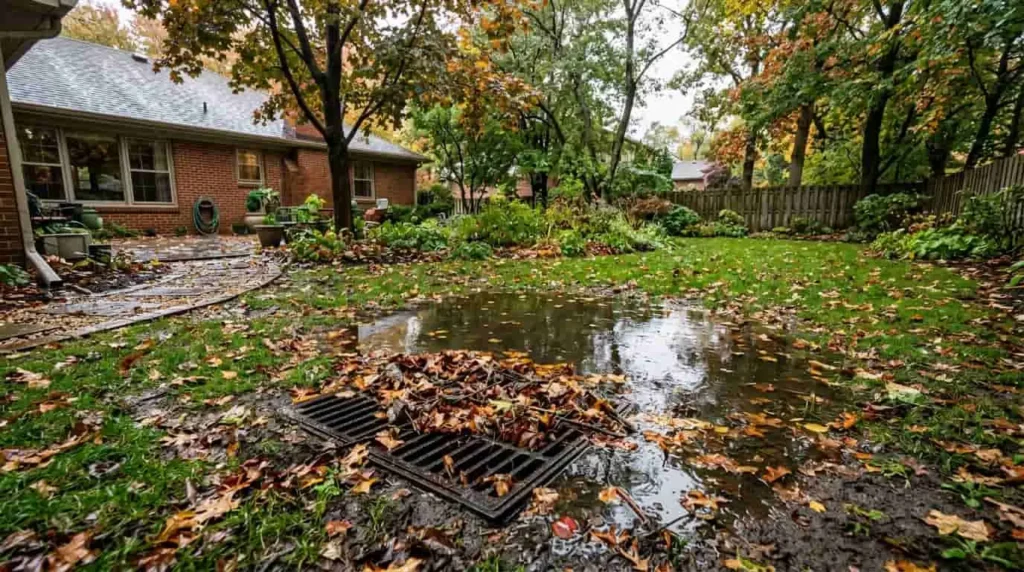
- Water pooling or standing in your yard, driveway, or parking area after rain
- Gurgling or bubbling sounds coming from the drain itself
- Slow draining or standing water in gutters and downspouts
- A visible dip or soft spot in the ground near the drain, which can point to erosion underneath
- A heavy storm in the forecast and no cleaning done since last season
None of these signs mean disaster is imminent, but they’re the point where scheduling a cleaning is much cheaper than waiting for a backup that floods a yard, cracks pavement, or pushes water toward a foundation.
How Much Do Storm Drain Cleaning Services Cost in 2026
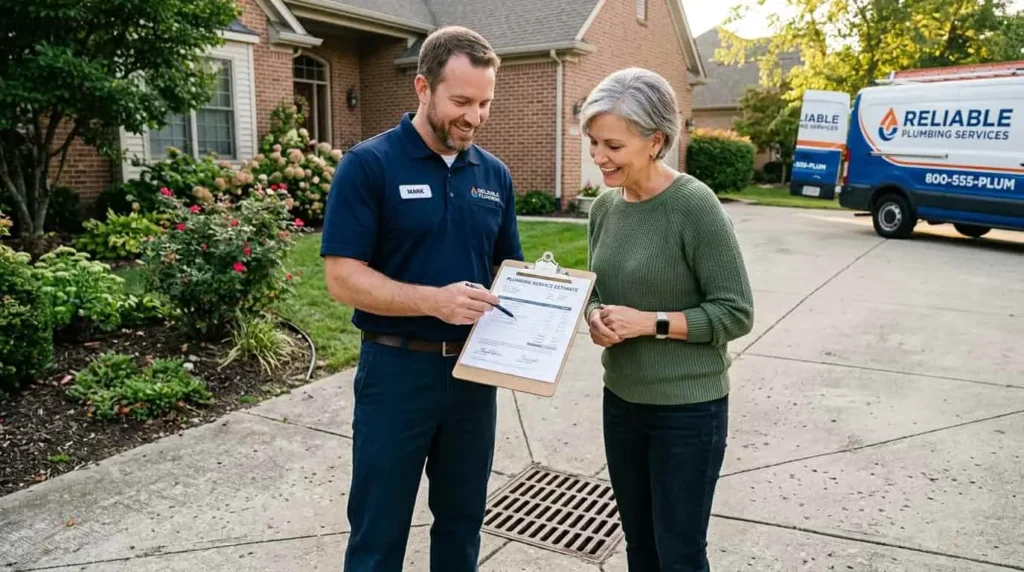
Pricing depends heavily on the size of the drain, how severe the blockage is, and whether it’s residential or commercial. For a typical home, storm drain cleaning services run somewhere between 200 and 600 dollars, with the wider range covering clog location, pipe length, and whether any repair is needed alongside the cleaning.
A few factors that move the price:
- Minor blockages (leaves, light debris) tend to land on the lower end, often 100 to 300 dollars
- Severe blockages involving compacted sediment, sludge, or root intrusion push costs toward 300 to 1,000 dollars or more
- Industrial or municipal systems with larger pipe diameters and catch basins can run 500 to 2,000 dollars or higher
- Pipe material matters too, since metal pipes often need specialized equipment compared to PVC or concrete
Some companies also charge separately for camera inspection or for hauling and disposing of the sediment they remove, so it’s worth asking what’s included before you book.
How Often Should You Schedule Storm Drain Cleaning
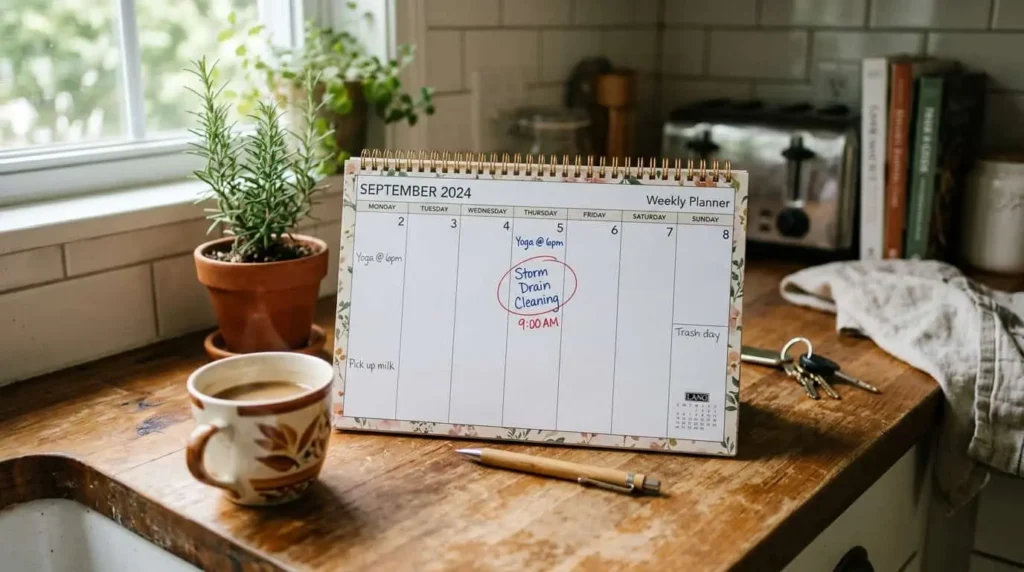
Most professionals recommend cleaning storm drains once or twice a year, ideally before the rainy season starts and again if your area sees heavy leaf drop in fall. Some guidance puts the interval closer to every 18 to 22 months for drains that aren’t showing obvious problems, but if your property sits under mature trees or collects a lot of runoff, once a year is the safer habit.
Think of it the same way you’d think of cleaning gutters. Skipping a year rarely causes an immediate crisis, but skipping several in a row is how a manageable maintenance task turns into an emergency repair during the worst possible storm.
Timing matters too. In regions with a distinct rainy season, scheduling storm drain cleaning services a few weeks before it starts gives you the clearest system right when you need it most. In areas with heavy fall foliage, a second pass after the leaves drop keeps debris from sitting in the pipes all winter. Commercial properties and HOAs managing shared drainage often build both cleanings into an annual maintenance contract, along with a camera inspection to catch pipe damage before it turns into a larger repair.
DIY vs. Professional Storm Drain Cleaning Services
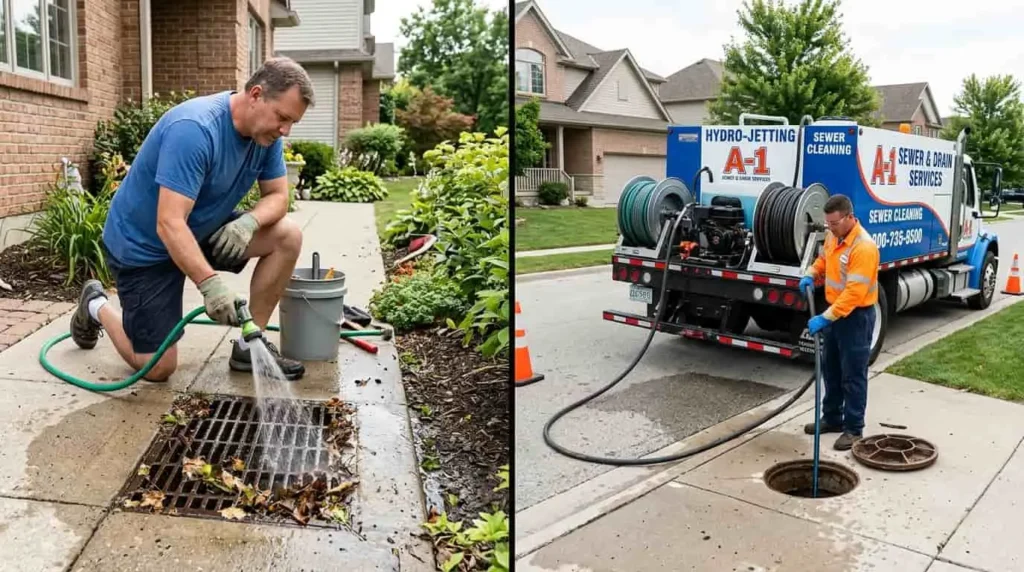
A shallow catch basin with a light layer of leaves is a reasonable DIY job. Clear the grate by hand, scoop out loose debris, and rinse with a hose. That’s about where the DIY toolkit’s usefulness ends.
Professional-grade hydro jetting uses water pressure that can exceed 3,000 psi, and it’s genuinely dangerous to attempt without training. It’s also easy to underestimate what’s happening inside an older pipe. Homes with cast iron, clay, or aging PVC lines can have weak points that crack under pressure a rental jetter wasn’t calibrated for, turning a simple cleaning into an expensive repair. There’s also the practical math: renting jetting equipment, buying protective gear, and handling disposal often costs close to what a professional visit runs anyway, without the camera inspection, insurance, or experience that comes with hiring someone who does this daily.
Chemical drain cleaners are worth a mention here too, mostly as a warning. They can dissolve organic buildup, but they do nothing for sediment, sand, or root intrusion, and repeated use can degrade older pipes over time. For anything beyond surface debris, a professional storm drain cleaning service is the safer and, in the long run, cheaper choice.
Who’s Responsible: You, Your HOA, or the City
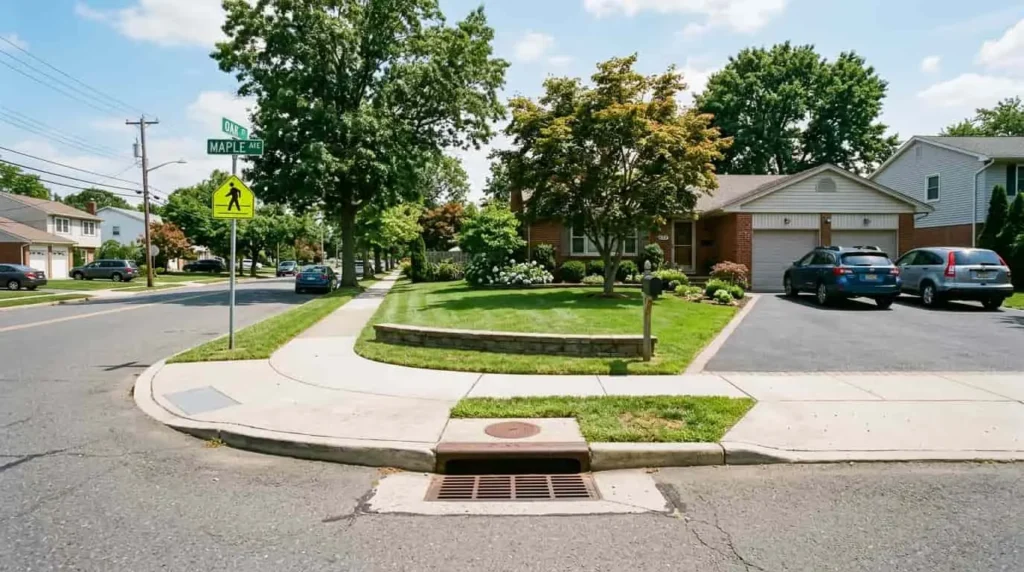
This trips up a lot of homeowners, and the honest answer is “it depends on location.” As a general rule, if the storm drain sits in a public street, right-of-way, or connects directly to the municipal system, the city or county maintains it. If the drain is on your property and serves only your home, whether it’s a driveway culvert, a yard catch basin, or a private drainage line, the maintenance and repair responsibility is usually yours.
Neighborhoods with an HOA often fall somewhere in between. Many HOAs take on storm drain maintenance for shared drainage systems as part of managing common areas, so it’s worth checking your HOA’s covenants before assuming you’re on the hook. If you’re renovating near a drain, also check your property deed for a drainage easement. Building or landscaping over one can violate local code even on your own land, since municipalities generally require that the easement stay clear for the system to function.
When in doubt, a quick call to your local public works department will usually clear up whether a specific drain is public or private property before you schedule anything.
Keeping Your Drains Ready for the Next Storm
Storm drain cleaning services aren’t glamorous, but they’re one of the cheapest insurance policies a homeowner can buy against flooding, foundation damage, and cracked pavement. A once-a-year cleaning, paired with a quick visual check after big storms, catches most problems while they’re still a minor fix. If you’re already noticing standing water or slow drainage, that’s your sign to call someone before the next forecast turns it into an emergency.
How much does storm drain cleaning cost?
Residential storm drain cleaning services typically run 200 to 600 dollars, though minor debris removal can cost as little as 100 to 300 dollars. Severe blockages, larger pipe diameters, or commercial and municipal systems push costs higher, sometimes past 1,000 dollars depending on scope.
How often should storm drains be cleaned?
Most homeowners should schedule storm drain cleaning once a year, ideally before the rainy season, with a second cleaning if your property has heavy fall leaf drop or sits near mature trees. Drains showing no signs of trouble can sometimes stretch to 18 to 22 months between cleanings.
Who is responsible for cleaning storm drains, the homeowner or the city?
It depends on location. Drains in public streets or connected to the municipal system are typically the city’s responsibility, while drains on private property that serve only your home are usually yours to maintain, sometimes shared with an HOA if one manages the neighborhood’s drainage.
Can I clean a storm drain myself?
Light debris removal from an accessible, shallow catch basin is a reasonable DIY task. Anything involving compacted sediment, deep blockages, or hydro jetting is safer left to a professional, since high-pressure equipment can damage older pipes and cause injury if handled without training.