
How Much Does It Cost to Rewire a House?
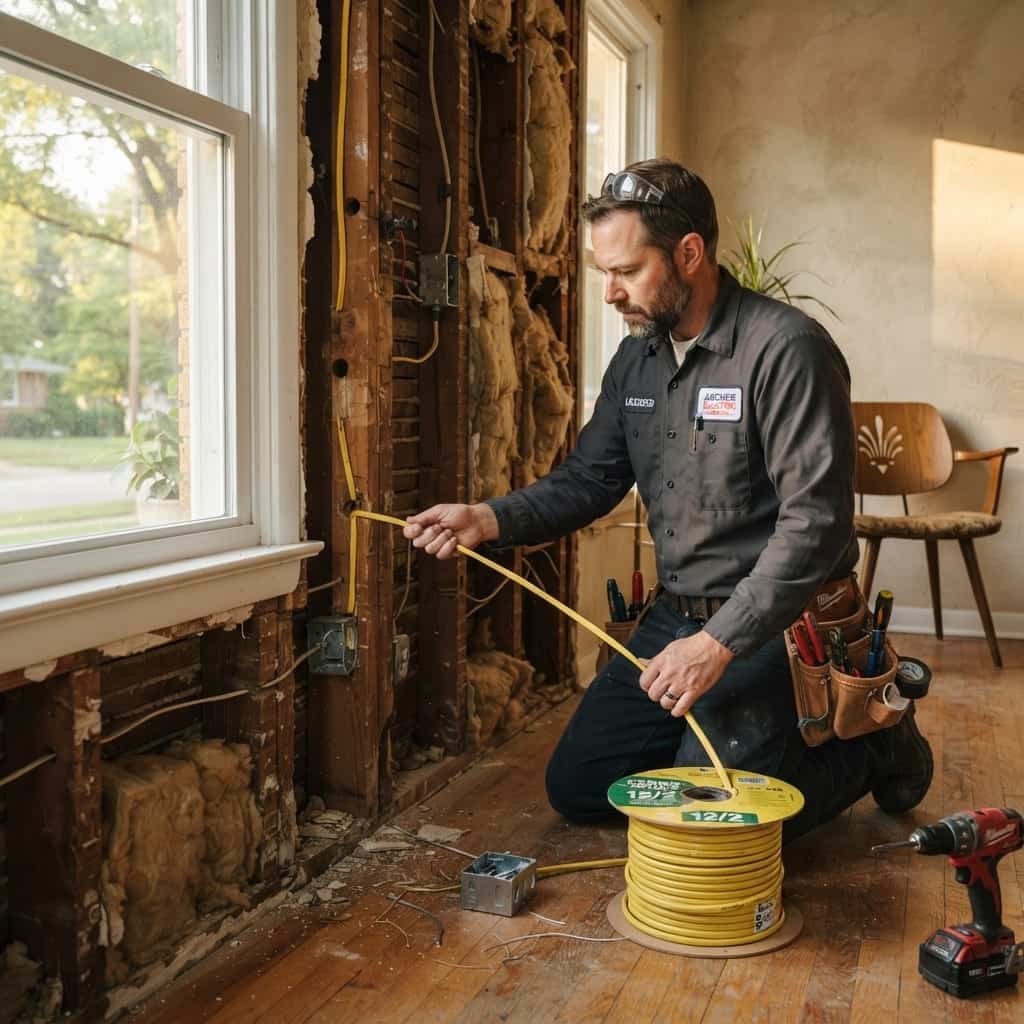
Rewiring a house typically costs $10,000 to $30,000 for a whole-home project, or roughly $5 to $17 per square foot, according to national contractor data. Smaller jobs, like rewiring a single room or updating a panel, can run as low as $1,500. The final number on your quote depends on your home’s size, age, and how easy it is for an electrician to reach the wiring behind your walls.
If you’ve been staring at flickering lights or a breaker panel that trips every time you run the microwave and the dishwasher together, you’re probably already past the point of wondering whether rewiring is worth it. What you actually need is a real number to plan around. Here’s how that number gets built, room by room and factor by factor, so you can walk into an electrician’s quote knowing whether it’s fair.
How Much Does It Cost to Rewire a House? (Quick Answer)
For a typical 2,000 to 2,500 square foot home, expect to pay $15,000 to $25,000 to rewire the whole house, including labor, materials, and a panel upgrade. Costs run lower, closer to $5,000 to $8,000, when an electrician can fish new wiring through an open attic or crawl space instead of cutting into finished walls. Older homes with plaster walls, knob and tube wiring, or no attic access tend to land at the top of the range, sometimes above $30,000.
Average Cost to Rewire a House by Square Footage
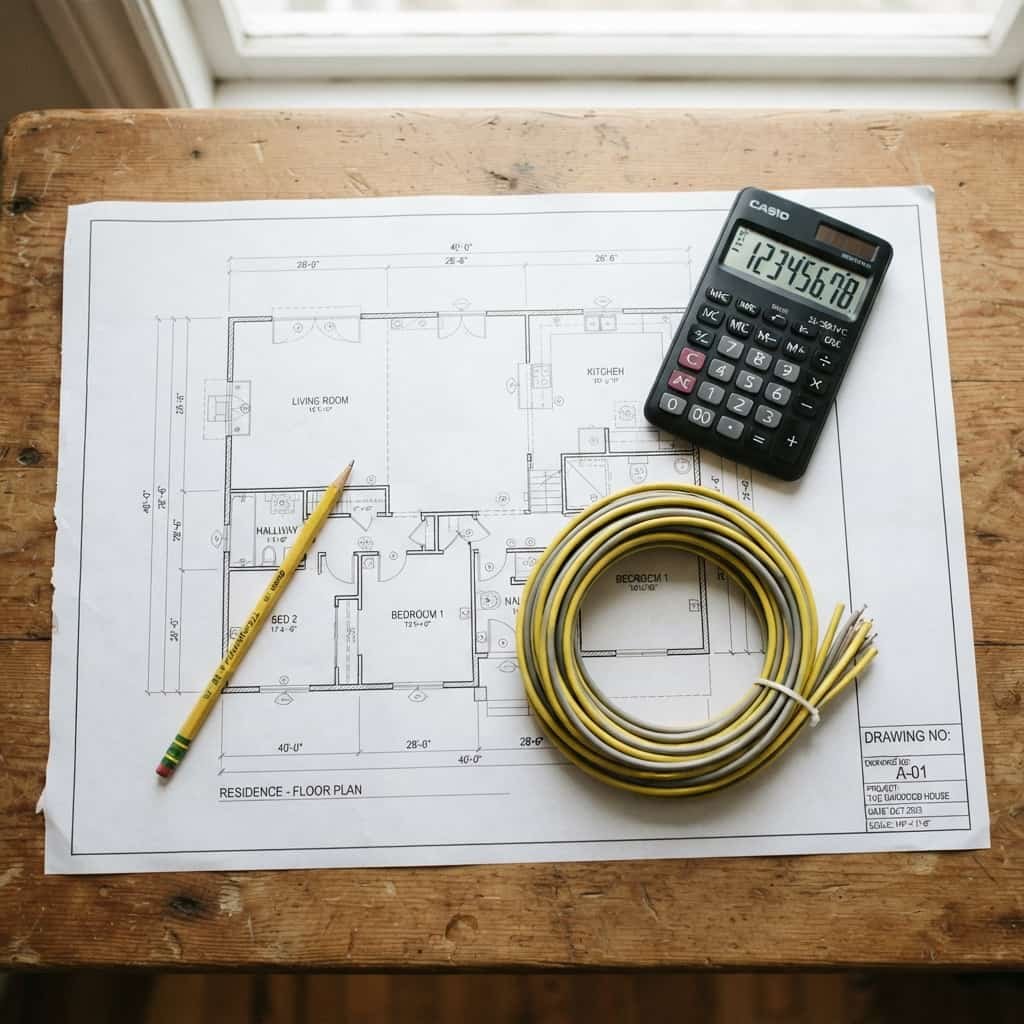
Square footage is the single biggest driver of your final bill, since it determines how much wire, how many outlets, and how many labor hours the job needs. A small 1,000 square foot bungalow and a sprawling 3,500 square foot colonial are simply different jobs.
| Home size (sq ft) | Estimated cost to rewire |
|---|---|
| 1,000 | $5,000 – $17,000 |
| 1,500 | $7,500 – $25,500 |
| 2,000 | $10,000 – $34,000 |
| 2,500 | $12,500 – $42,500 |
| 3,000 | $15,000 – $51,000 |
These figures include the wire itself, new outlets and switches, labor, and basic drywall patching. Panel upgrades, permits, and cosmetic repairs after the work is done are usually billed separately, so ask your electrician what’s actually included before you sign anything.
Cost to Rewire a House by Room

Not every rewiring job covers the whole house. If your kitchen circuits keep tripping while the rest of the home is fine, you may only need to update that one space, and pricing scales down accordingly.
| Room | Estimated cost |
|---|---|
| Bathroom | $200 – $2,600 |
| Kitchen | $500 – $3,400 |
| Bedroom | $650 – $3,900 |
| Living room | $1,000 – $1,700 |
| Garage | $1,200 – $11,900 |
| Basement | $2,500 – $25,500 |
Kitchens and bathrooms tend to cost more per square foot than other rooms because the National Electrical Code requires dedicated circuits and GFCI-protected outlets in wet or high-draw areas. If you’re planning a kitchen renovation anyway, this is the moment to fix any lingering wiring issues, since your walls are already open and your electrician is already on site.
What Affects the Cost to Rewire a House
A quote from one electrician can look wildly different from another, and it usually comes down to a handful of variables.
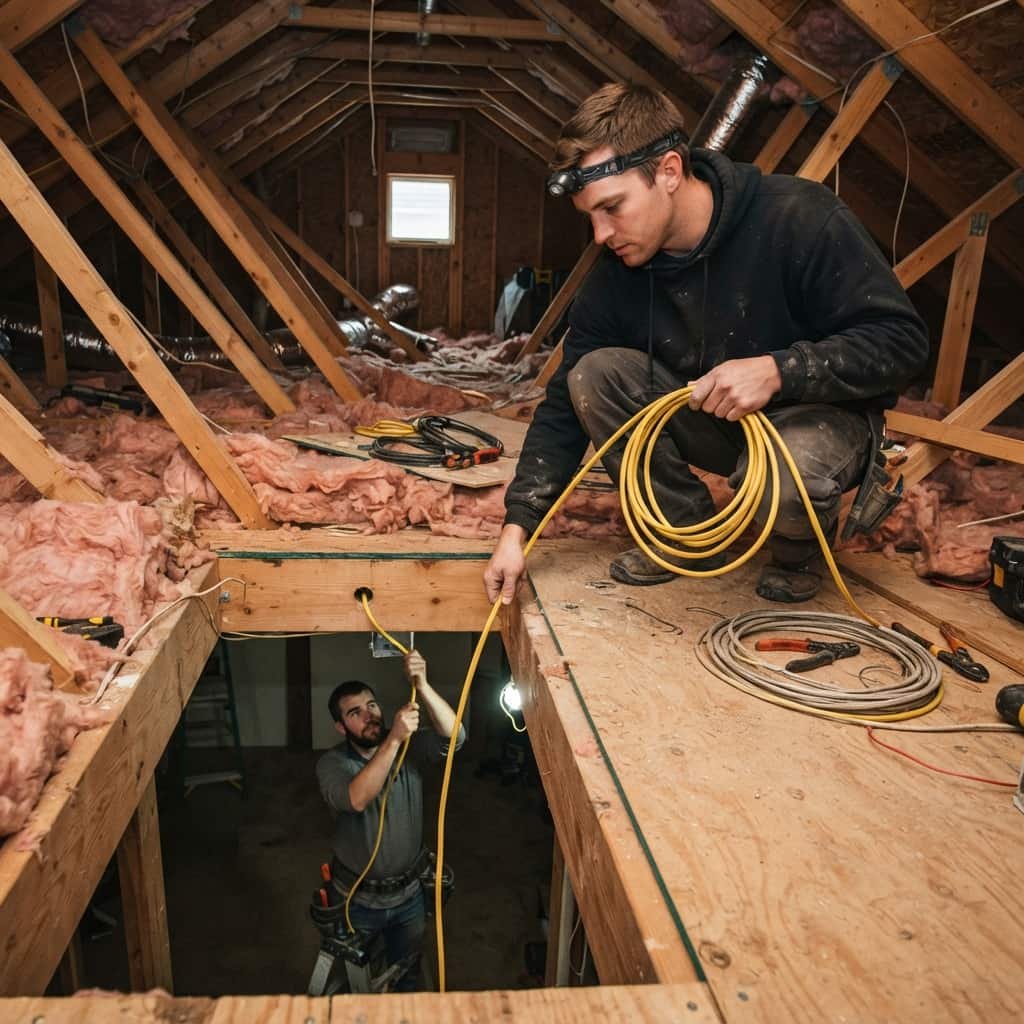
Labor. Electricians charge $50 to $130 per hour, and most estimate roughly one hour of work per 100 square feet of home. A two-person crew is standard for jobs that involve fishing wire through closed walls, since one person feeds cable while the other pulls it through.
Wall access. If your home has an open attic, basement, or crawl space, an electrician can run most new wiring without opening a single wall, which keeps both labor and drywall repair costs down. Homes without that access, especially older homes with finished plaster ceilings, often need walls opened up, which can add 25% to 30% to the total project cost.
Wiring type and materials. Wire itself is inexpensive, running $0.10 to $4.00 per linear foot depending on gauge and type. Conduit, used in exposed or unfinished spaces, costs more, from $0.70 to $8.00 per linear foot. The bigger material cost usually comes from outlets, switches, and any smart home or high-voltage additions you’re bundling into the project.
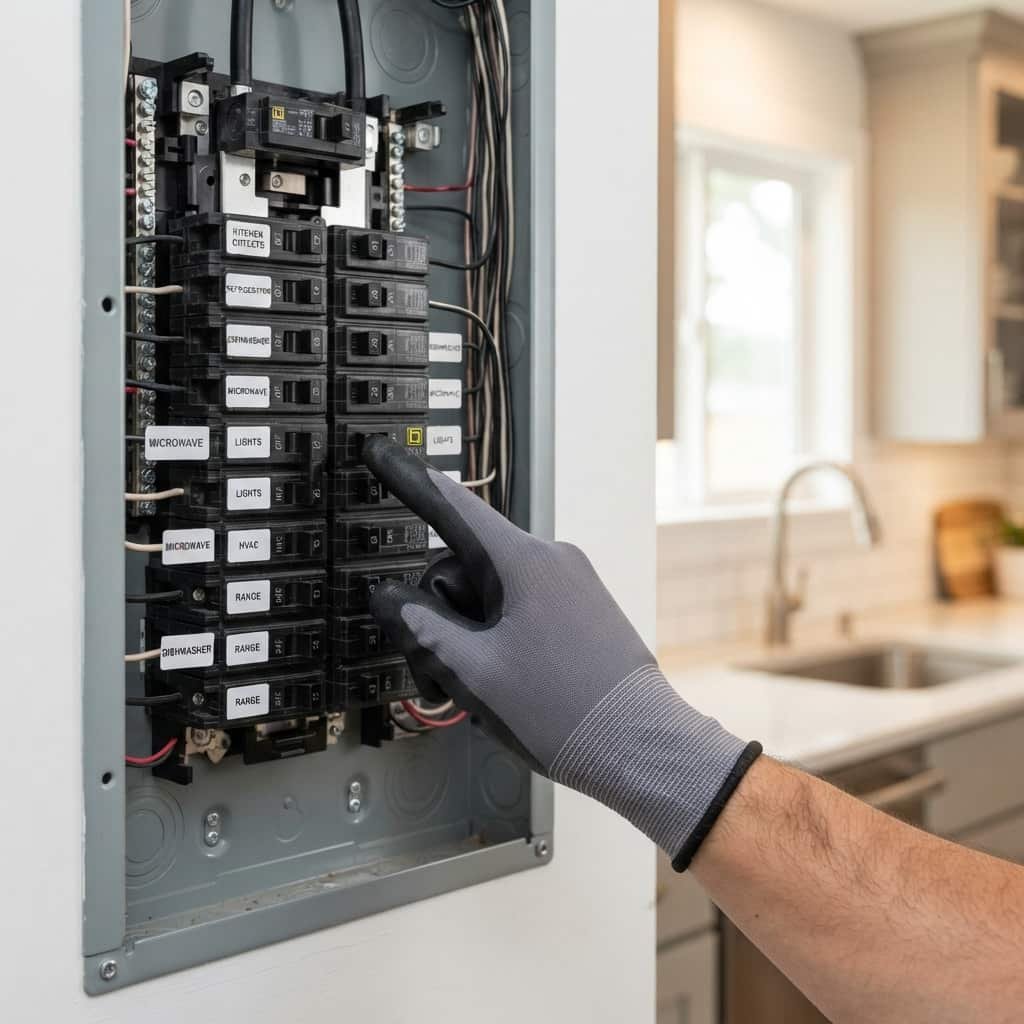
Electrical panel upgrade. Many homes built before the 1980s still run on a 60-amp or 100-amp panel, which isn’t enough for modern appliances, HVAC systems, and EV chargers. Upgrading to a 150 or 200-amp panel costs $850 to $2,500 and is often recommended alongside a full rewire.
Permits and inspection. Most municipalities require an electrical permit for rewiring, which runs $250 to $900, plus an inspection fee of $100 to $200 to confirm the finished work meets code. Skipping this step to save money isn’t worth the risk. Uninspected wiring can complicate a home sale later and, more importantly, isn’t a safety guarantee.
Cost to Rewire an Old House vs. a New House
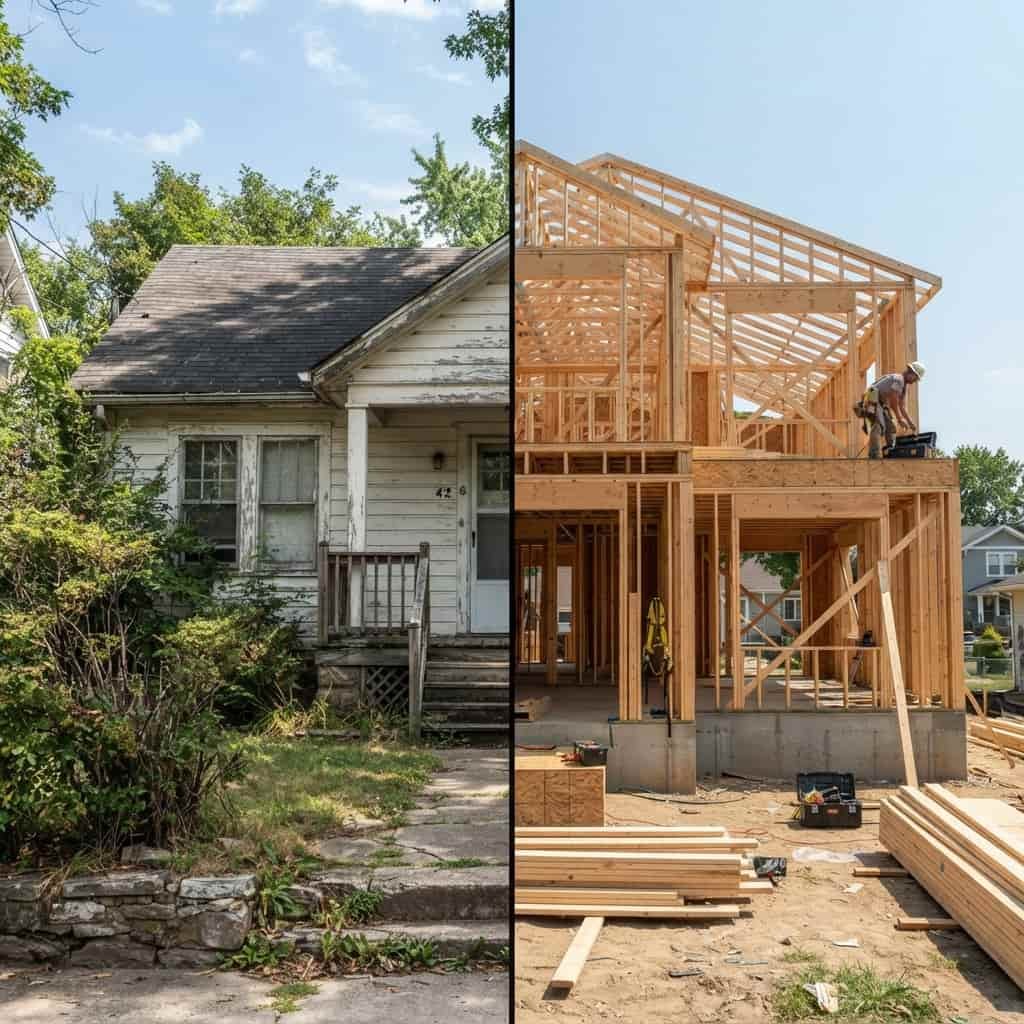
Wiring a brand-new home during construction is cheaper than rewiring an existing one, usually $6,000 to $22,500 for new construction versus $10,000 to $30,000 to rewire. The gap exists because new construction wiring goes in before drywall goes up, so there’s nothing to cut into or patch afterward.
Homes built before 1950 are the trickiest and most expensive category. Many still have knob and tube wiring, an outdated system with no ground wire, which insurance companies increasingly flag as a fire risk. Replacing knob and tube wiring typically costs $12,000 to $35,000, factoring in the age-related complications like asbestos insulation or plaster walls that often come with it. If you’re touring an older home and the listing mentions “original wiring,” budget for this before you make an offer.
Signs Your House Needs Rewiring
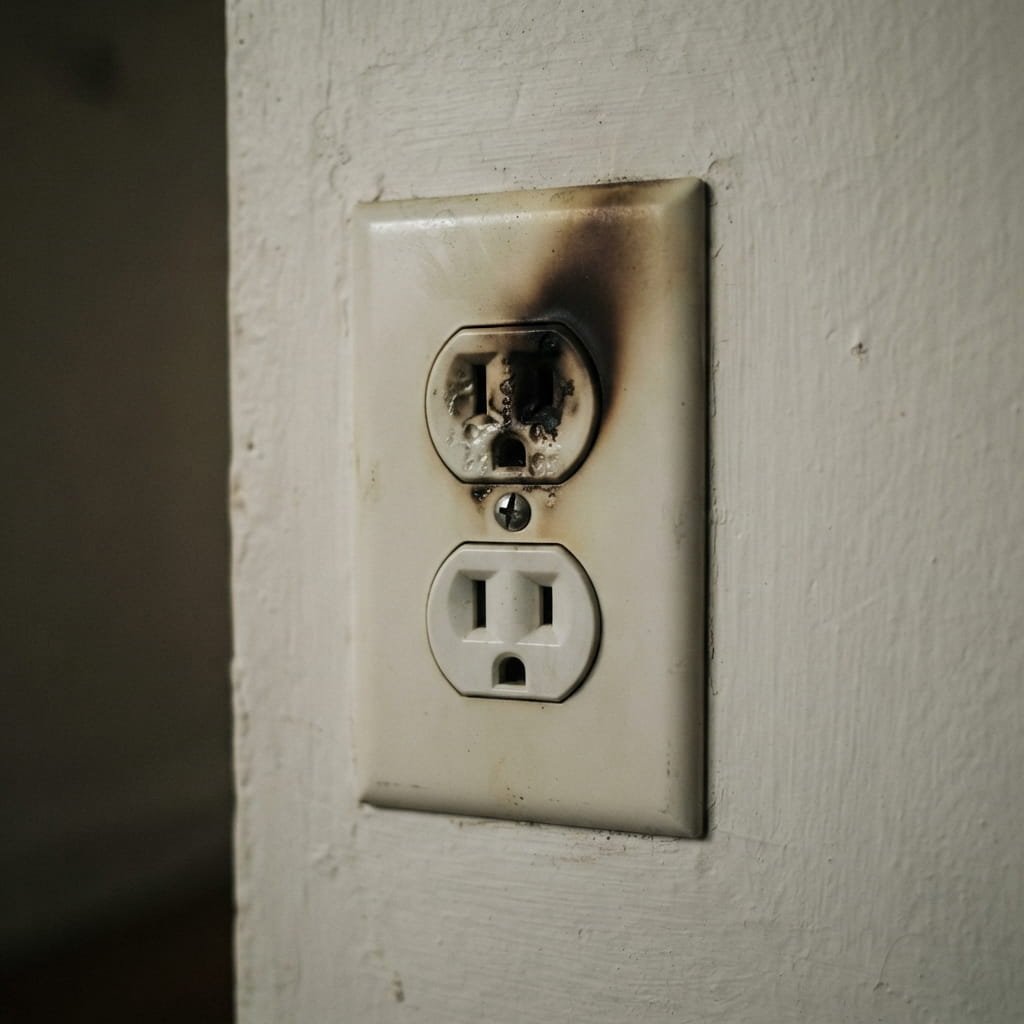
You don’t need an electrician’s license to spot the warning signs. Watch for:
- Lights that flicker or dim, especially when a larger appliance kicks on
- Breakers that trip regularly during normal daily use, not just when you overload a circuit on purpose
- Outlets or switch plates that feel warm, look discolored, or show black or brown scorch marks
- A burning smell with no obvious source
- Buzzing or humming sounds coming from outlets or the panel itself
- A home more than 30 to 40 years old with no record of updated wiring
One or two of these on their own might point to a simple fix, like a bad outlet. Several at once, or any sign involving heat or smell, means it’s time to call a licensed electrician for an inspection rather than guessing.
How to Save Money When You Rewire a House
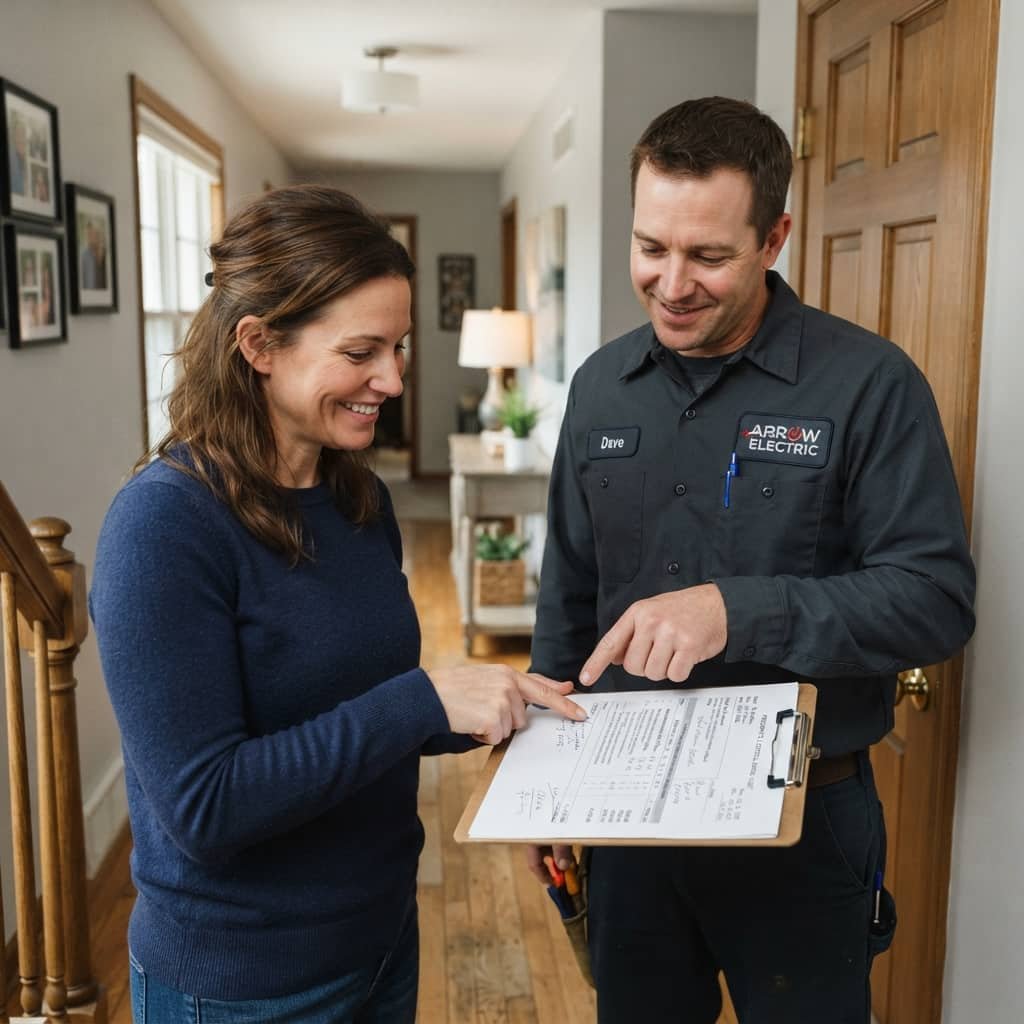
A full rewire is a major expense, but there are a few realistic ways to bring the number down without cutting corners on safety.
- Get three to five quotes. Pricing varies significantly by contractor, and the lowest bid isn’t always the best value, but a wide spread tells you where the market actually sits.
- Rewire through attic or crawl space access when possible. Ask your electrician directly whether your layout allows this, since it can save thousands compared to opening walls.
- Bundle it with a renovation. If you’re already remodeling a kitchen or finishing a basement, rewiring while the walls are open avoids paying for drywall repair twice.
- Ask about staged rewiring. Doing the house room by room spreads out the cost, though it typically raises the total price and stretches out the disruption, so weigh convenience against savings.
- Look into assistance programs. The USDA’s Section 504 Home Repair Program offers loans and grants to qualifying low-income homeowners for safety-related repairs, including rewiring.
Frequently Asked Questions
How long does it take to rewire a house?
Rewiring a house takes three to ten days on average, depending on home size, crew size, and whether walls need to be opened. Projects that require cutting into finished walls or plaster take longer because of the added demolition and patching work.
Does rewiring a house add value?
Rewiring adds value indirectly rather than boosting your appraisal on its own. Outdated or unsafe wiring is a common reason buyers negotiate a lower offer or walk away entirely, so fixing it protects your sale price more than it inflates it.
Can you rewire a house without removing drywall?
In most cases, yes. Electricians can fish new wiring through small holes from an attic, basement, or crawl space, leaving your walls mostly intact. This method usually takes longer than opening the walls fully, but it keeps repair costs down.
Can I rewire my own house?
Some jurisdictions allow homeowners to pull their own electrical permit and do the work themselves, but most require a licensed, insured electrician for anything beyond minor repairs. Given the fire and shock risk of improper wiring, this is one home project where hiring a professional is worth the cost.
The Bottom Line
Rewiring a house isn’t a project anyone budgets for cheerfully, but the number is more predictable once you know what’s driving it: square footage, wall access, panel condition, and the age of your home. Get a few in-person quotes, ask exactly what’s included, and treat any flickering lights or warm outlets as your cue to call an electrician sooner rather than later. The upfront cost is real, but so is the cost of waiting until old wiring becomes a fire hazard instead of a line item.