<!– Title (57 chars): Alison Roman Chickpea Stew Recipe: The Viral ‘Stew’ Guide Meta description (159 chars): Make Alison Roman’s viral chickpea stew (aka ‘The Stew’) at home. Get the exact recipe, ingredients, pro tips, and swaps for that creamy turmeric coconut base. –>
Alison Roman Chickpea Stew: The Viral Recipe, Explained
If you’ve spent any time on food Instagram since 2018, you’ve seen it: a golden, creamy pot of chickpeas simmering under the hashtag #TheStew. The Alison Roman chickpea stew, officially titled Spiced Chickpea Stew With Coconut and Turmeric, is the recipe that turned a New York Times columnist into a household name and turned canned chickpeas into a weeknight obsession. It’s built from pantry staples, comes together in under an hour, and somehow tastes like it took all day.
This guide walks through exactly what makes the recipe work, how to make it at home, where people go wrong, and the swaps worth trying once you’ve made the original at least once.
What Is Alison Roman’s Chickpea Stew?
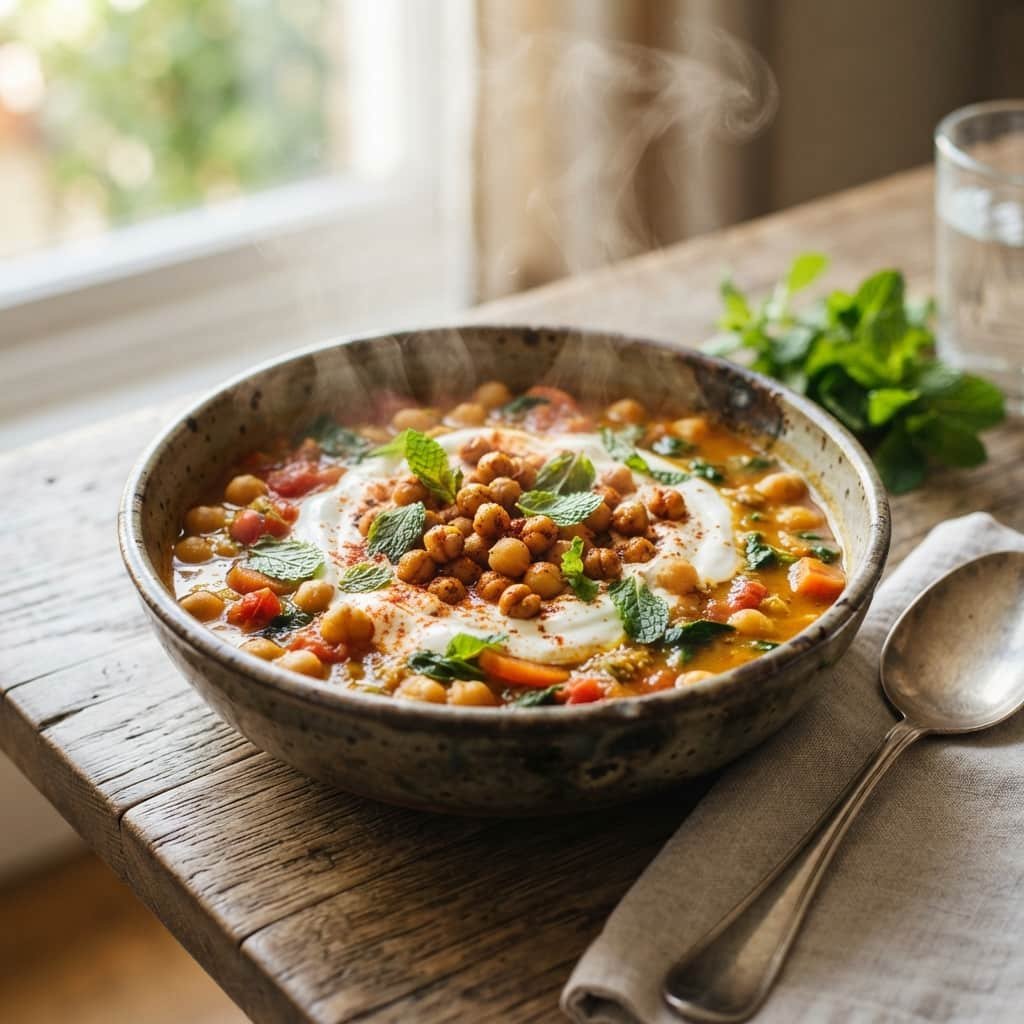
Alison Roman’s chickpea stew is a one-pot dish built on crisped chickpeas, garlic, ginger, and turmeric, simmered in coconut milk and stock until thick and golden. It first ran in The New York Times in early 2019 and spread across Instagram so fast that fans started calling it simply “The Stew,” complete with its own hashtag. The name stuck because the dish itself is deceptively simple: no exotic ingredients, no fancy technique, just a handful of cans and spices most home cooks already have.
Roman has described the dish as evoking South Indian chana and Caribbean-style stews, built almost entirely from shelf-stable ingredients. That accessibility, more than any single flavor, is why it took off. People weren’t discovering a new cuisine so much as discovering that a genuinely good dinner could come almost entirely from the pantry.
Why Is It Called “The Stew”?
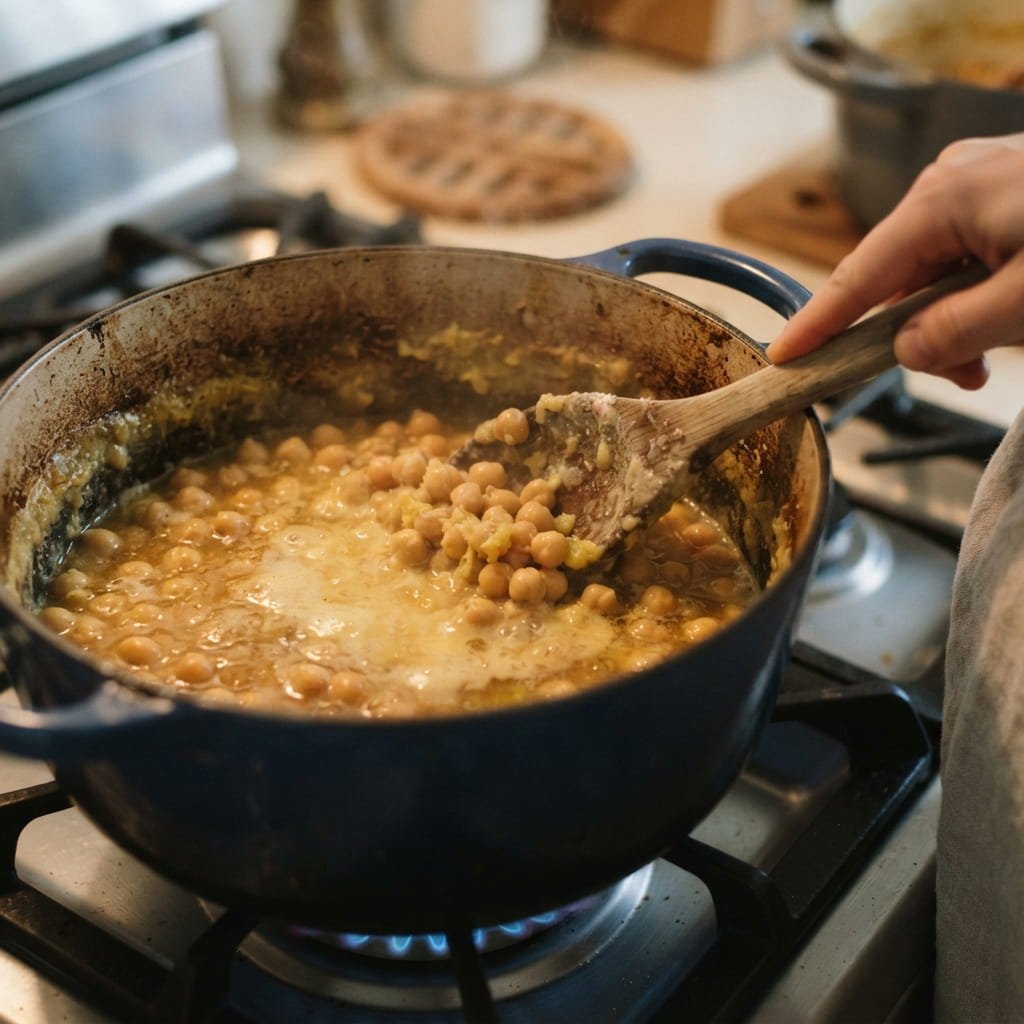
Quick answer: It earned the nickname “The Stew” on Instagram after fans started tagging their versions with #TheStew, and the name has outlasted the dish’s official title ever since.
The distinction between “stew” and “soup” isn’t just internet pedantry. Roman’s recipe calls for crushing a portion of the fried chickpeas against the side of the pot before adding liquid, which releases their starch and thickens the broth. Skip that step, or rush the simmer, and you end up with a thin, soupy version that some cooks jokingly call “The Soup” instead. Getting the texture right is really the only technical skill this recipe demands, and it’s worth doing properly.
Alison Roman Chickpea Stew Ingredients
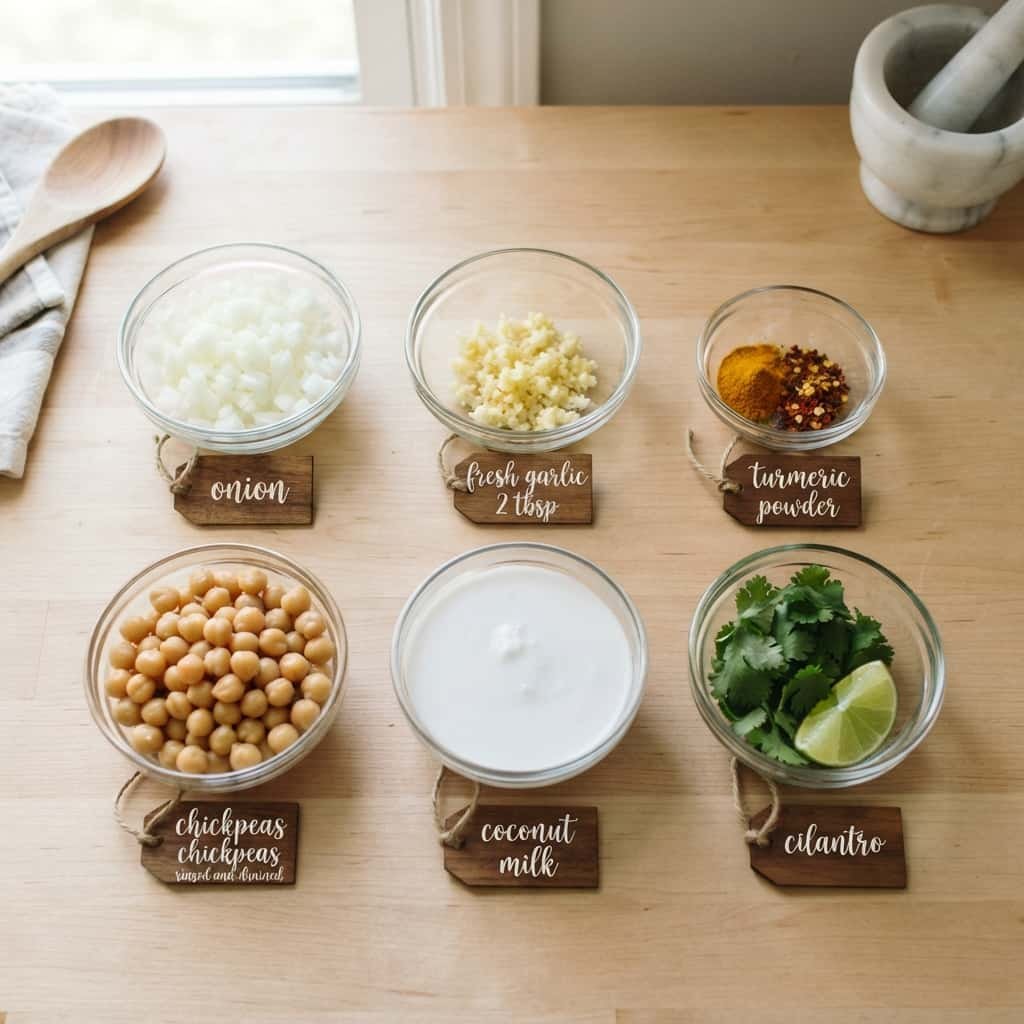
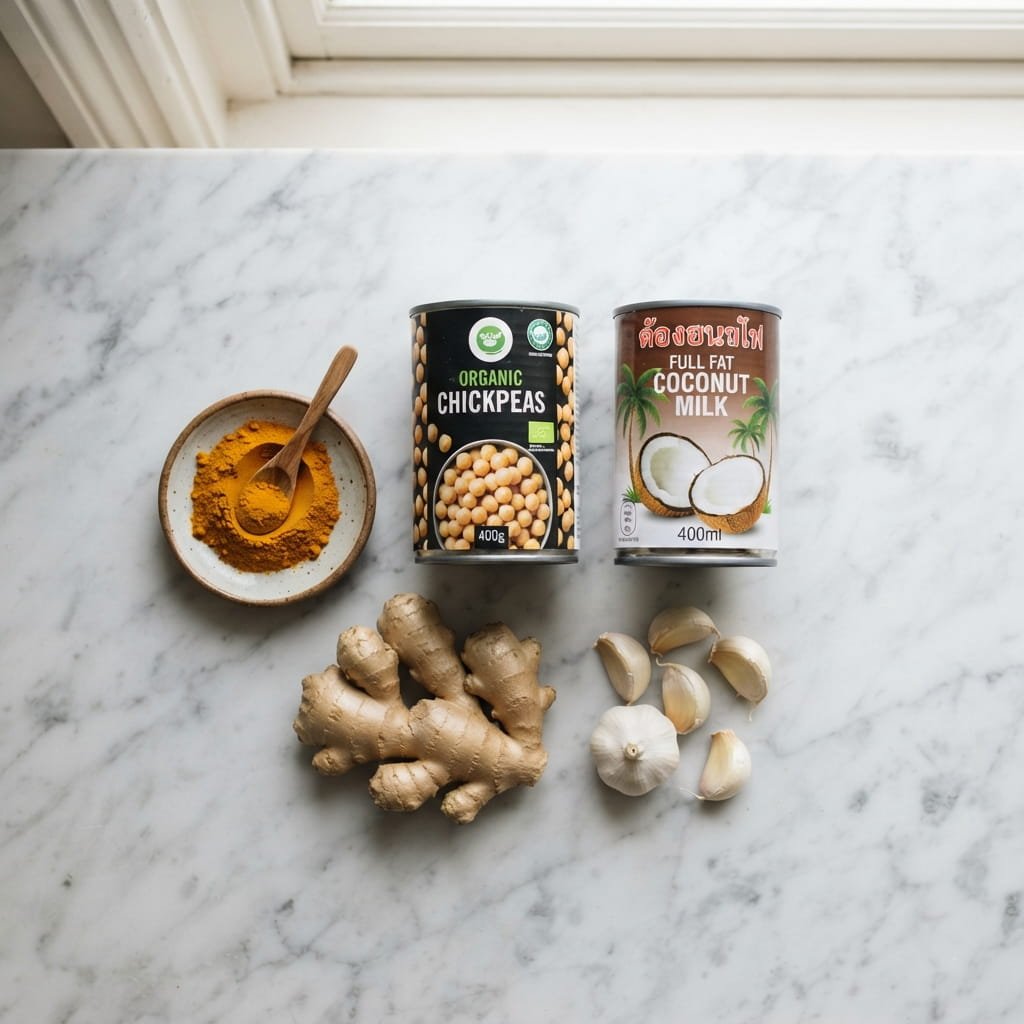
The ingredient list is short on purpose. Here’s what the original calls for:
- Olive oil (about ¼ cup)
- Yellow onion, chopped
- Fresh ginger, minced
- Garlic cloves, minced
- Ground turmeric
- Crushed red pepper flakes (optional, for heat)
- Canned chickpeas, drained and rinsed (two 15-ounce cans)
- Full-fat coconut milk (two 15-ounce cans)
- Vegetable or chicken stock
- Kosher salt and black pepper
- Hearty greens like kale, Swiss chard, or collard greens
- Fresh mint or cilantro, for serving
A few of these are worth flagging. Full-fat coconut milk matters here, not the “lite” version and not the kind meant for drinking, since anything thinner will change the final texture. Canned chickpeas are the standard route, though dried chickpeas soaked overnight and cooked ahead of time work too if you plan for the extra step.
How to Make Alison Roman’s Chickpea Stew
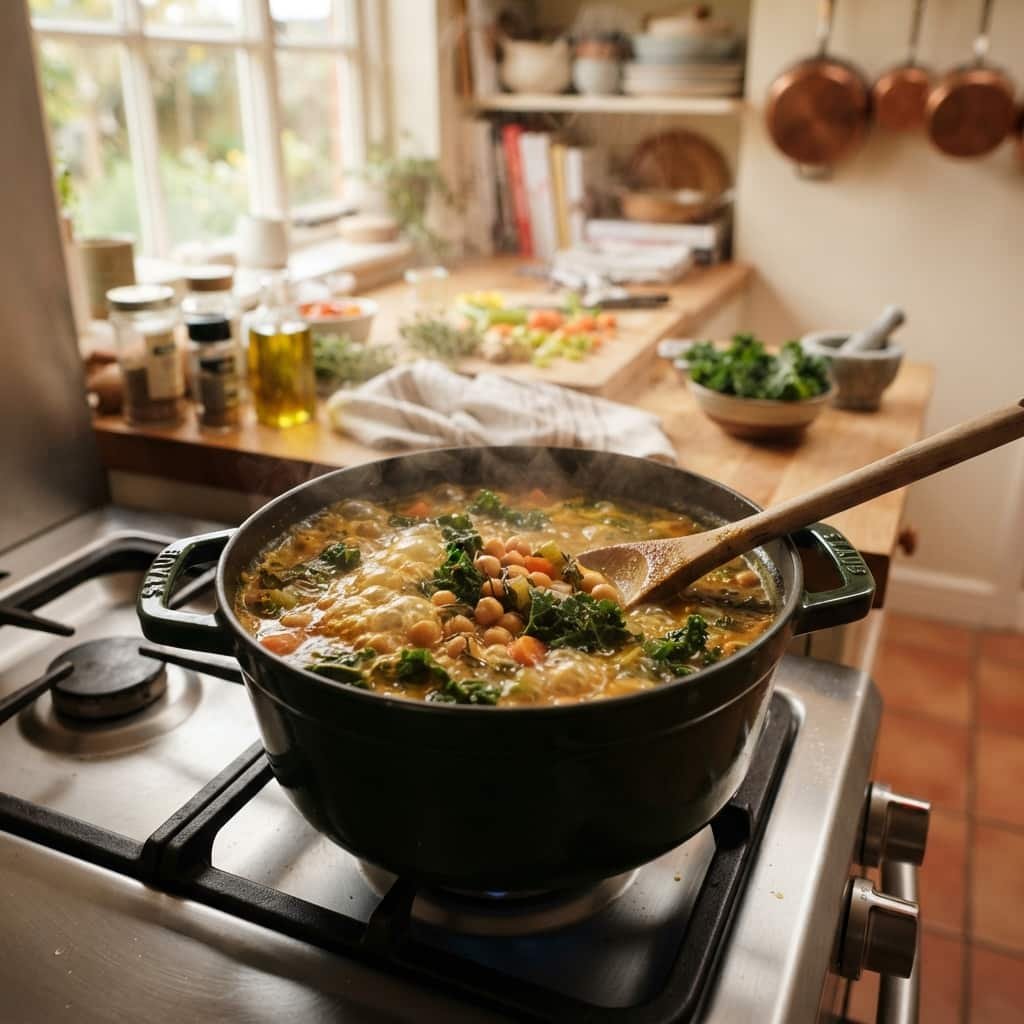
The method is straightforward, and most of the work happens in one pot over about 45 minutes.
- Cook the onion. Heat the olive oil in a large Dutch oven over medium heat. Add the chopped onion and cook, stirring occasionally, until softened and just starting to brown at the edges, about 5 minutes.
- Bloom the aromatics. Stir in the ginger, garlic, turmeric, and red pepper flakes. Cook for about 2 minutes until fragrant.
- Fry the chickpeas. Add the drained chickpeas and let them sizzle in the oil and spices, stirring frequently, for 8 to 10 minutes, until they start to break down and turn slightly golden.
- Crush and reserve. Set aside about a cup of the fried chickpeas for garnish. Use the back of a spoon to lightly crush the rest against the pot, which releases starch and helps the stew thicken later.
- Add the liquid. Pour in the coconut milk and stock, scraping up any browned bits from the bottom of the pot. Season with salt and pepper.
- Simmer. Bring to a boil, then reduce the heat and simmer uncovered for 25 to 35 minutes, until the stew has thickened to your liking. Taste a chickpea, not just the broth, to check that it’s simmered long enough.
- Wilt the greens. Stir in the kale or other hearty greens and cook until just softened, roughly 3 to 7 minutes depending on the variety.
- Serve. Ladle into bowls and top with the reserved crispy chickpeas, a drizzle of olive oil, fresh mint, and a spoonful of yogurt if you like.
Is It a Stew or a Soup? Getting the Texture Right
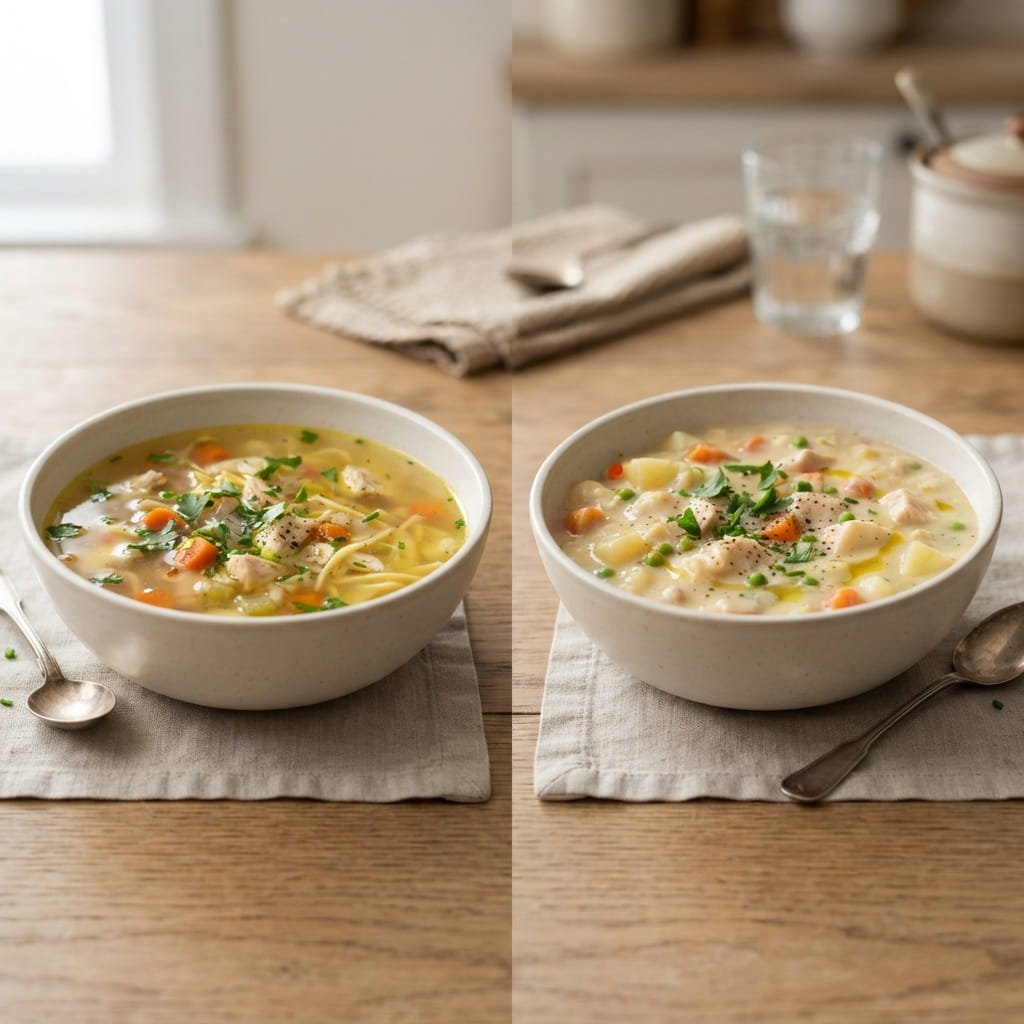
Quick answer: Whether you end up with soup or stew comes down to two things: how long you simmer it and whether you actually crush the chickpeas. Skip either step and the broth stays thin.
If your pot looks more like a thin yellow broth than a creamy stew, it usually means one of two things happened. Either the chickpeas weren’t crushed enough to release their starch, or the stew didn’t simmer long enough to reduce. Both are easy fixes on the next batch: crush more aggressively, and let it bubble a little longer than the recipe suggests if you want that classic thick, spoon-coating consistency. There’s no wrong answer here, since plenty of fans genuinely prefer the soupier version, but if you’re chasing the original viral texture, patience at the simmer stage is what gets you there.
Common Substitutions and Variations
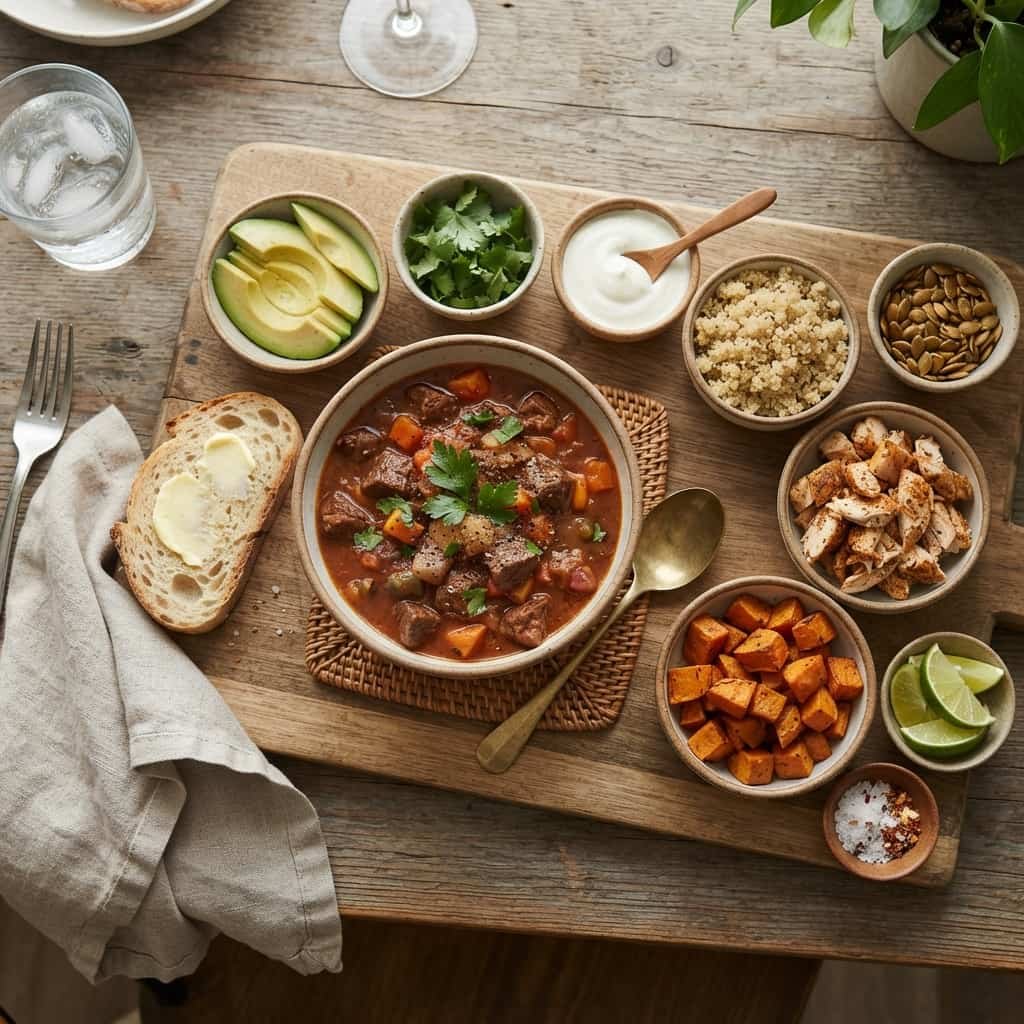
Part of why this recipe spread so widely is that it tolerates almost any swap. A few of the most popular:
- Greens: Kale and collard greens hold up longer in the simmer, while spinach and Swiss chard wilt faster and should go in during the last few minutes.
- Protein boost: Some cooks stir in shredded rotisserie chicken or a can of white beans alongside the chickpeas for a heartier dinner.
- Extra vegetables: Diced carrots, celery, or sweet potato can go in with the onion for more texture and nutrition; quick-cooking vegetables like bok choy go in near the end.
- Grains: A scoop of cooked quinoa, rice, or even broken-up ramen noodles turns the stew into a more filling one-bowl meal.
- Dairy-free version: The recipe is naturally vegan as written, minus the optional yogurt garnish, which can be swapped for a plant-based yogurt or skipped entirely.
- Spice level: Red pepper flakes are easy to scale up or down, and a spoonful of harissa or curry powder stirred in at the end adds extra depth for anyone who wants more heat.
None of these changes break the dish. The base technique, crisping chickpeas and building a thick, spiced coconut broth, is flexible enough to absorb whatever is in your fridge.
Storage, Make-Ahead, and Freezing
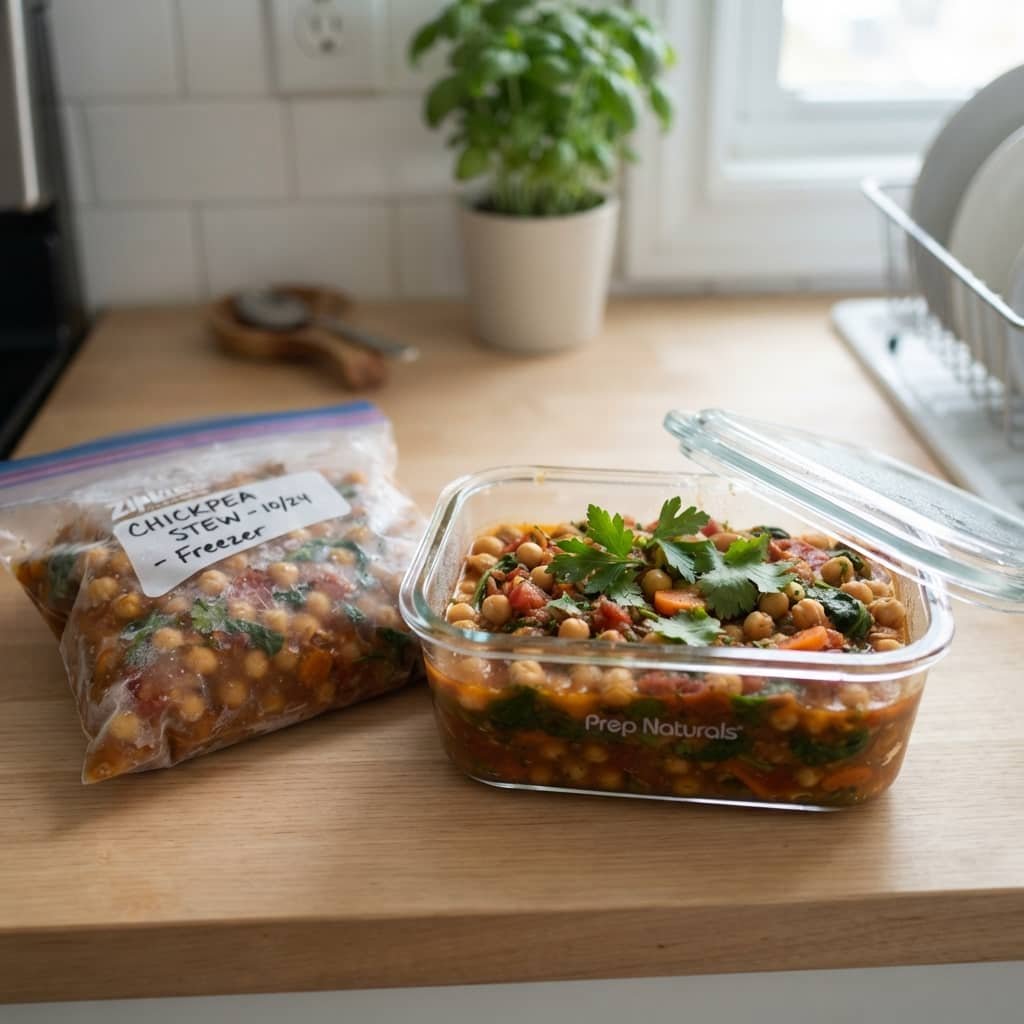
This stew holds up better than most reheated meals, which is part of why it’s a favorite for meal prep.
- Refrigerator: Store in an airtight container for up to 5 days. The flavor generally deepens overnight.
- Freezer: Cool completely and freeze in a freezer-safe container for up to 2 months.
- Make-ahead tip: If you’re prepping in advance, hold off on adding the greens until just before serving, since they turn soft and dull if they sit in the broth too long.
- Reheating: Warm gently on the stovetop over medium-low heat, or microwave in 30-second bursts, stirring between each, until heated through.
What to Serve With Chickpea Stew
Because the flavor profile leans toward South Indian and Caribbean-inspired spicing, the stew pairs naturally with flatbreads like naan, pita, or lavash for scooping up the broth. A simple green salad on the side balances the richness of the coconut milk, and a scoop of rice or another cooked grain turns it into a more substantial meal. A dollop of plain yogurt and a squeeze of lime at the table brightens the whole bowl.
Frequently Asked Questions
Is Alison Roman’s chickpea stew vegan? Yes, as written it’s fully plant-based. The only non-vegan element is the optional yogurt garnish, which is easy to swap for a dairy-free version or skip.
Can I use dried chickpeas instead of canned? Yes. Soak dried chickpeas overnight, cook them until tender, and use them in place of the canned version. Just make sure they’re fully cooked before you add them to the pot, since the simmer time in this recipe isn’t long enough to cook raw chickpeas through.
Why do you crush the chickpeas? Crushing releases starch from the chickpeas into the broth, which thickens the stew and gives it that signature creamy texture rather than a thin, watery consistency.
Can I make this in a slow cooker or Instant Pot? Yes, many cooks adapt it successfully. The general approach is to fry the aromatics and chickpeas first for flavor, then transfer everything to a slow cooker or pressure cooker with the coconut milk and stock, adding the greens at the very end so they don’t overcook.
The Bottom Line
Alison Roman’s chickpea stew earned its viral reputation honestly. It’s cheap, it’s fast, it’s endlessly adaptable, and it delivers a genuinely comforting bowl of food from ingredients most people already have on hand. Whether you make it exactly as written or bend it toward your own pantry, the technique that matters most is simple: crisp the chickpeas, crush some of them, and give the pot time to thicken before you call it done.
Try it this week and see what all the fuss was about. Once you’ve made your first batch, you’ll understand why it’s still showing up in dinner rotations years after it first went viral.