The Best Spices for Cooking: 15 Essentials for Every Kitchen
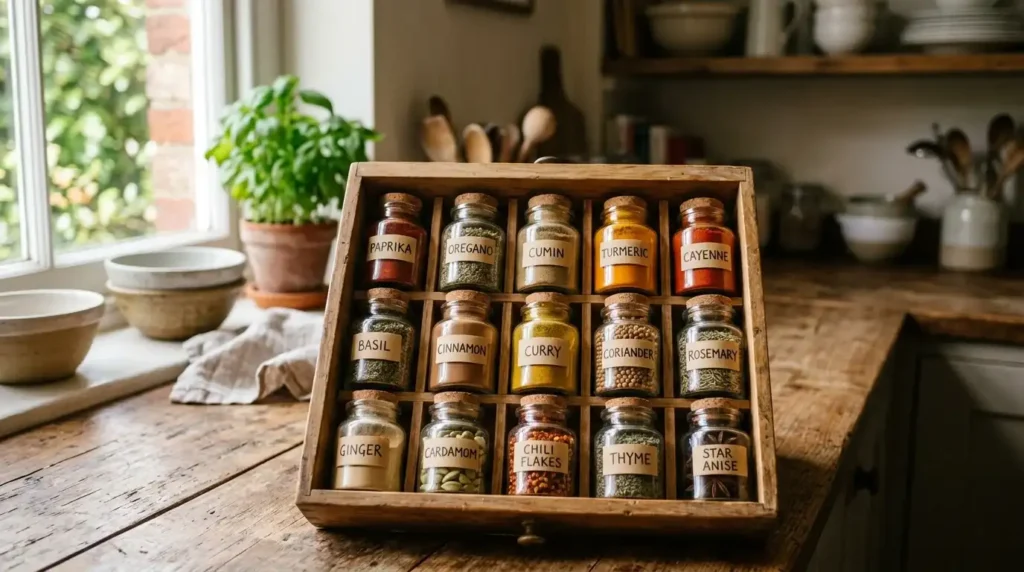
If you’ve ever stood in front of a cluttered spice rack wondering which jars actually earn their shelf space, you’re not alone. The best spices for cooking aren’t the exotic ones gathering dust in the back, they’re the small, reliable group that shows up in almost everything you make, from a Tuesday night stir fry to a slow Sunday braise. In my own kitchen, I’ve whittled a once overflowing cabinet down to about fifteen spices I reach for on repeat, and that short list does more work than the other forty combined.
This guide walks through those core spices, how to group them by cuisine, and the storage and grinding habits that keep them tasting sharp instead of flat.
What Are the Best Spices for Cooking?
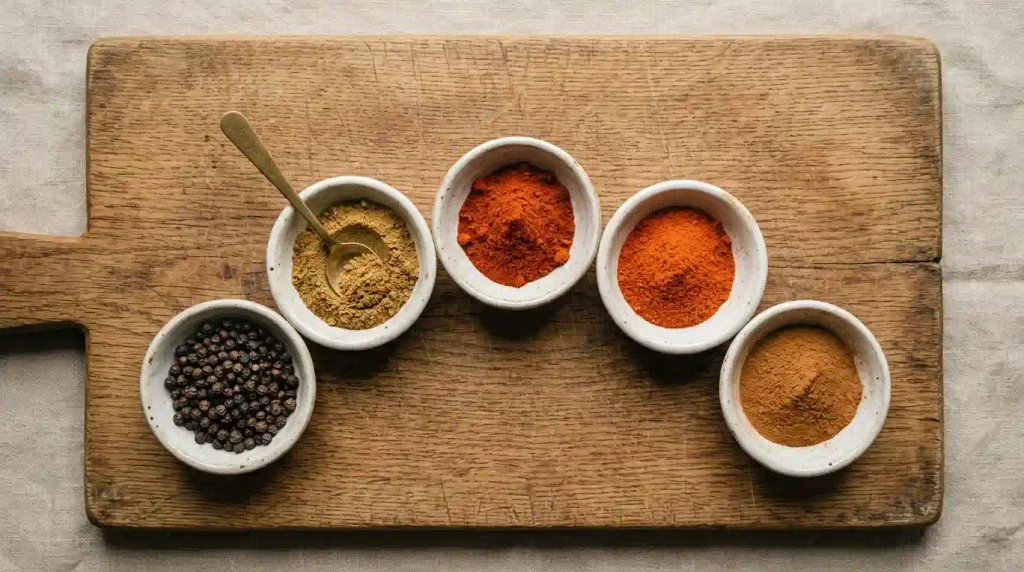
The best spices for cooking are black pepper, cumin, paprika, garlic powder, onion powder, oregano, cayenne pepper, red pepper flakes, thyme, curry powder, garam masala, cinnamon, ground coriander, nutmeg, and bay leaves. This core group covers savory, warm, smoky, and sweet flavor notes, so a home cook can build most weeknight meals and several global cuisines from this one list alone.
From here, the trick is knowing what each one actually does, not just owning it.
The Best Spices for Cooking: 15 Core Pantry Staples
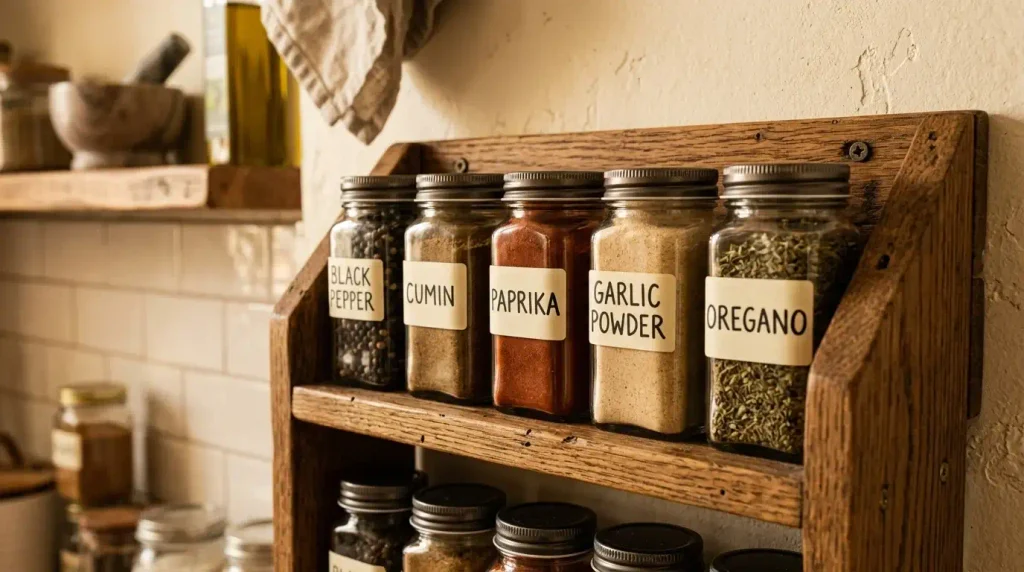
Think of these fifteen as your foundation. You don’t need all of them on day one, but building toward this list will cover the vast majority of savory recipes you’ll ever cook.
Black pepper. The default finishing spice in most Western kitchens, and one most cooks underuse. Freshly cracked pepper has a sharper, more floral bite than pre-ground, so a small grinder is worth the counter space.
Cumin. Smoky and earthy, cumin is the backbone of Mexican, Indian, Middle Eastern, and North African cooking. It shows up in taco seasoning, curry blends, and spice rubs for grilled meat.
Paprika. Sweet paprika adds warm color and mild flavor, while smoked paprika brings a deep, campfire quality to soups, roasted vegetables, and rubs. Keep both if you can.
Garlic powder. Different from fresh garlic, not a replacement for it, garlic powder gives an even, mellow savoriness that dissolves cleanly into dry rubs, dressings, and marinades.
Onion powder. Onion powder’s quiet, sweet depth rounds out sauces and seasoning blends without the texture of chopped onion. It’s a staple in Southern and Cajun cooking.
Oregano. A workhorse herb-spice used heavily in Italian, Greek, and Mexican dishes. Dried oregano is actually more potent than fresh, so it holds up well in long-simmered sauces.
Cayenne pepper. A pure heat spice with almost no other flavor, so a pinch goes a long way. Use it to dial spice level up or down in anything from chili to baked goods.
Red pepper flakes. Where cayenne disappears into a dish, red pepper flakes stay visible and add texture along with heat, a classic finishing touch on pizza, pasta, and stir fries.
Thyme. Woodsy and slightly minty, thyme is the herb that shows up in cozy, slow-cooked food: pot pies, roasted chicken, soups, and stews.
Curry powder. A Western spice blend, not an authentic Indian ingredient, curry powder is a fast way to add warm, complex flavor to weeknight dishes, though it usually needs help from other spices to taste fully developed.
Garam masala. More pungent and layered than curry powder, garam masala is closer to how Indian cooks actually build flavor, and it’s worth keeping separately once you’re ready to cook more authentic curries.
Cinnamon. Don’t file this one under desserts only. Ground cinnamon shows up in Middle Eastern meat dishes, Moroccan tagines, and Mexican mole, alongside its more familiar role in baking.
Ground coriander. The citrusy, slightly floral partner to cumin, coriander appears in nearly the same recipes and rounds out the flavor whenever cumin feels one-note on its own.
Nutmeg. A small pinch transforms béchamel, creamy soups, and spinach dishes, and it’s just as at home in pumpkin pie and eggnog.
Bay leaves. Subtle on their own, bay leaves add a background depth to stocks, braises, and bean dishes. Always fish them out before serving, since the dried leaf is too tough to eat.
Spices by Cuisine: Building Flavor Profiles
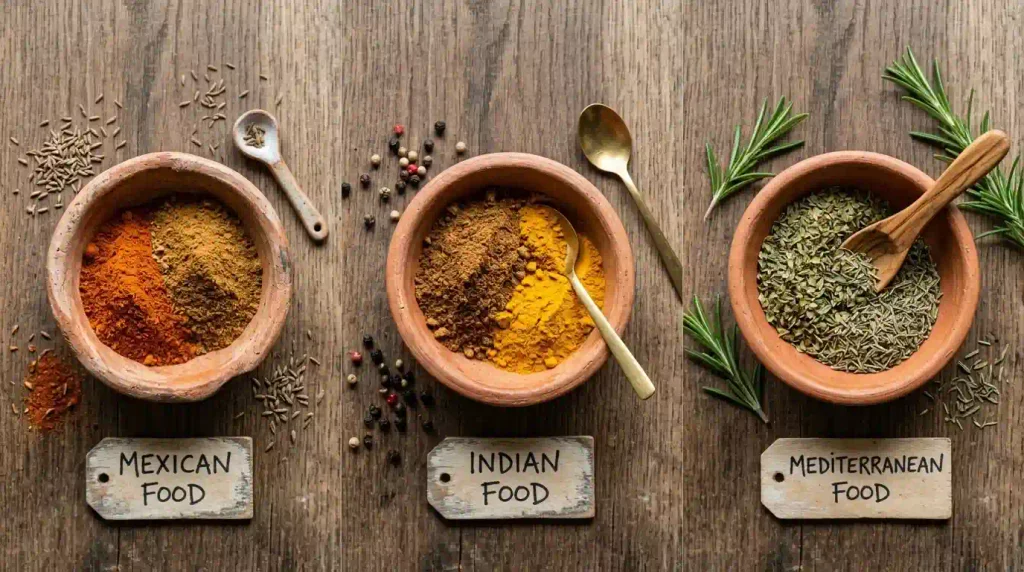
Once the core fifteen are in place, you can lean into specific cuisines by combining a few of them in different ratios:
- Mexican and Tex-Mex: cumin, chili powder, cayenne, garlic powder, oregano
- Indian: garam masala, cumin, coriander, turmeric, cayenne
- Mediterranean and Greek: oregano, thyme, black pepper, sumac if you have it
- Middle Eastern: cumin, cinnamon, coriander, sumac
- Cajun and Southern: paprika, garlic powder, onion powder, cayenne, thyme
You’ll notice the same handful of spices reappearing across cuisines in different proportions, which is exactly why this core list stretches so far.
How to Use Spices Like a Pro, Not Just Sprinkle Them On
Owning the right spices is only half the job. How and when you add them changes the outcome almost as much as which ones you choose.
Bloom spices in oil before adding liquid. Cumin, curry powder, and paprika all contain flavor compounds that are fat-soluble, meaning they release more aroma when heated briefly in oil than when stirred straight into water or broth. A minute or two in a warm pan before you add onions or garlic makes a noticeable difference in a curry, chili, or taco filling.
Season in layers, not all at once. Adding every spice at the very end leaves a dish tasting flat, while adding everything at the start can mute delicate notes over a long cook. A good habit is to add sturdier spices like cumin and paprika early, then finish with a pinch of something brighter, like black pepper or a squeeze of citrus, right before serving.
Toast whole spices to wake them up. A dry skillet over medium heat for thirty to sixty seconds, just until fragrant, is enough to intensify cumin seeds, coriander seeds, or whole peppercorns before grinding. Watch closely, since the line between toasted and burnt is thin.
Taste as you go. Spice strength varies by brand, age, and how long a dish has simmered, so the amount a recipe calls for is a starting point, not a rule. Add a little, taste, and adjust rather than dumping in the full measurement and hoping for the best.
How to Store Spices So They Stay Fresh Longer
Heat, light, and moisture are the three things that quietly wreck a spice cabinet. A shelf next to the stove looks convenient, but it’s actually the worst spot in the kitchen for jars, since heat speeds up the breakdown of the oils that carry flavor. A cool, dark cabinet or drawer, away from the oven and out of direct sunlight, keeps spices tasting sharp for far longer. Buying in small quantities, rather than the giant warehouse-store jars, also helps, since most home cooks can’t work through a huge container before it goes stale.
Whole vs. Ground Spices: Which Should You Buy
If you cook often and don’t mind an extra step, whole spices like cumin seed, whole peppercorns, and cinnamon sticks are worth the investment. Toasting them briefly in a dry pan before grinding wakes up their oils and gives a noticeably deeper flavor than pre-ground versions that have been sitting on a shelf for months. For spices you use constantly in small amounts, like garlic powder or paprika, pre-ground is practical and the flavor difference is minor enough that convenience wins.
Building Your Own Spice Cabinet
You don’t need to buy all fifteen spices in one trip. Start with the handful tied to the cuisines you already cook most, then add one or two new spices each time you try an unfamiliar recipe. That’s genuinely how most home cooks, myself included, end up with a well-rounded collection: not from a single shopping list, but from following curiosity one dish at a time.
Once you’ve got the basics covered, the real fun starts, mixing your own spice blends, experimenting with ratios, and finding the combinations that taste like your kitchen and nobody else’s. If you’re ready to put these to work, start with a recipe that leans on two or three of your new spices at once, and build from there.
What’s the difference between herbs and spices?
Herbs come from the leafy parts of a plant, like basil, thyme, and oregano, while spices come from seeds, roots, bark, or fruit, like cumin, cinnamon, and black pepper. Some plants, like coriander, give you both: the leaves are the herb cilantro, and the seeds are the spice coriander.
Do spices actually expire?
Spices don’t spoil the way fresh food does, but they do lose potency over time. Ground spices are strongest for about six months to a year, while whole spices can last two to three years if stored properly. If a spice smells faint when you open the jar, it’s time to replace it.
Should I buy whole spices or ground spices?
Whole spices hold their flavor longer and taste noticeably fresher once toasted and ground yourself, but they take extra time and require a grinder or mortar and pestle. Ground spices are faster and fine for everyday cooking, especially for blends you use often, like garlic powder or paprika.
How many spices does a beginner really need?
A beginner can cook a wide range of meals with about eight to ten spices: salt, black pepper, garlic powder, onion powder, cumin, paprika, oregano, cayenne or red pepper flakes, cinnamon, and one curry-style blend. Build outward from there based on the cuisines you cook most.