Ras El Hanout Recipe: Easy Homemade Moroccan Spice Blend
If you’ve ever wondered how to make a ras el hanout recipe from scratch, the good news is you probably already own most of the spices. This warm, fragrant Moroccan blend takes about ten minutes to mix, keeps for months in your pantry, and turns roasted vegetables, chicken, and lamb into something that tastes like it came out of a Marrakech souk. I started making my own after a bag of the store-bought stuff sat stale in my cabinet for a year, and once I tasted the difference fresh spices make, I never went back to buying it pre-mixed.
What Is Ras El Hanout?
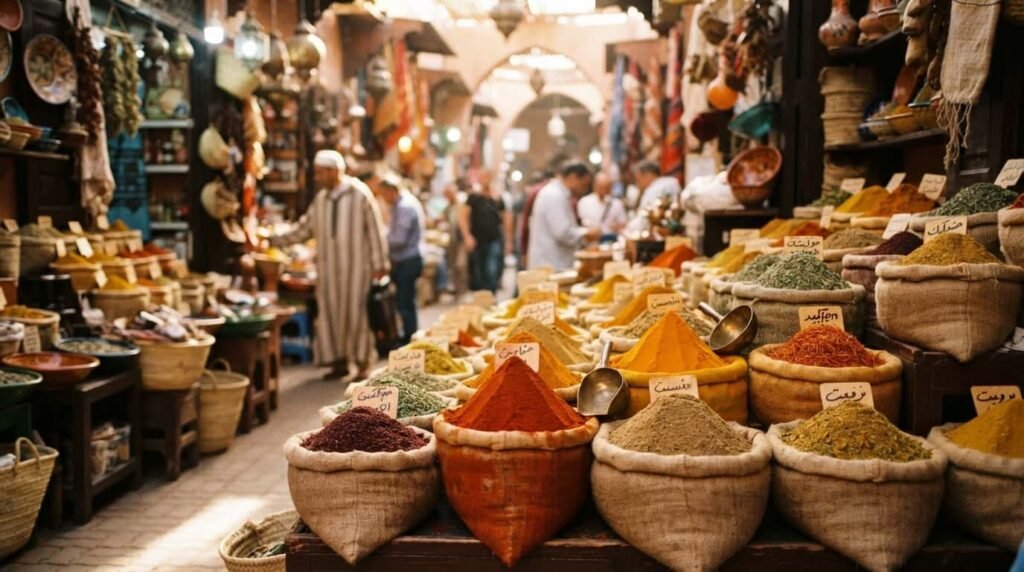
Quick answer: Ras el hanout is a North African spice blend, most closely associated with Moroccan cooking, made from warm spices like cumin, coriander, cinnamon, ginger, and cardamom. The name means “head of the shop” in Arabic, referring to the best spices a merchant had on hand, and no two blends are exactly alike.
There’s no single official recipe. In Morocco, a market vendor’s version might include a dozen spices, while a more elaborate family blend can run past twenty, sometimes including rarer additions like dried rosebuds, orris root, or grains of paradise. What ties every version together is balance: something warm, something earthy, something a little sweet, and a gentle kick of heat. It’s the kind of blend where the whole is genuinely greater than the sum of its parts.
Ras el hanout shows up across Tunisia and Algeria too, but it’s most strongly tied to Moroccan cuisine, where it seasons everything from tagines to grilled meats to roasted squash.
Ras El Hanout Ingredients You Probably Already Have
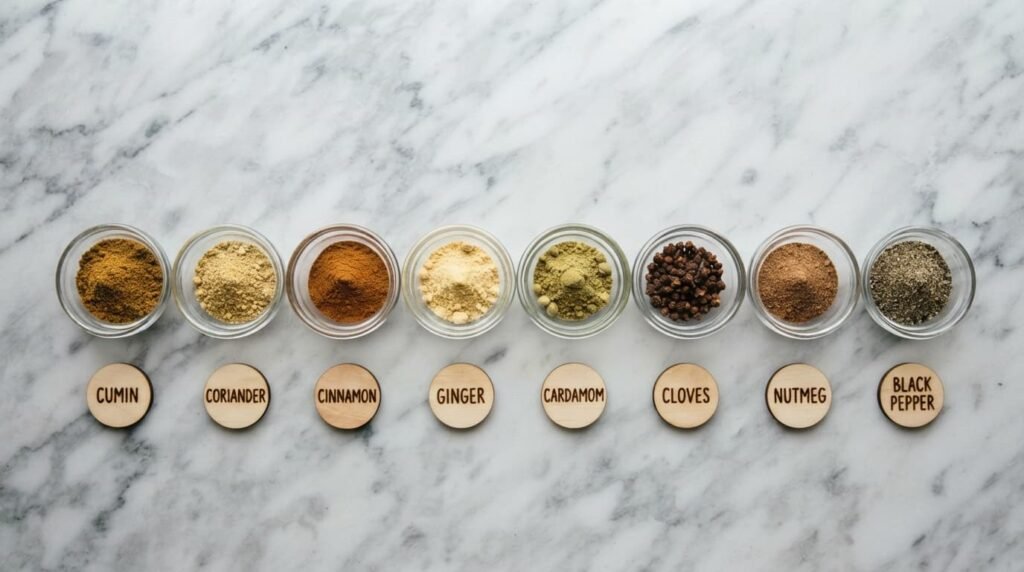
The beauty of a homemade ras el hanout recipe is that you don’t need a specialty spice shop. My working blend uses nine pantry staples:
- Ground cumin
- Ground coriander
- Ground cinnamon
- Ground ginger
- Ground cardamom
- Ground allspice
- Ground cloves
- Ground nutmeg
- Black pepper
That’s the base I reach for on a normal weeknight. If you want to push it closer to what you’d find in a Moroccan spice market, add a pinch of turmeric for color, a little smoked paprika for depth, or a whisper of cayenne for heat. None of these are mandatory, and that’s kind of the point. Ras el hanout has always been a “use what you’ve got, make it your own” blend, and that flexibility is exactly why home cooks love it.
A quick note on quality: if your spices have been sitting in the cabinet for a couple of years, this is a good excuse to refresh them. Stale spices will give you a flat, dusty version of ras el hanout instead of the bright, layered flavor it’s known for.
How to Make Ras El Hanout
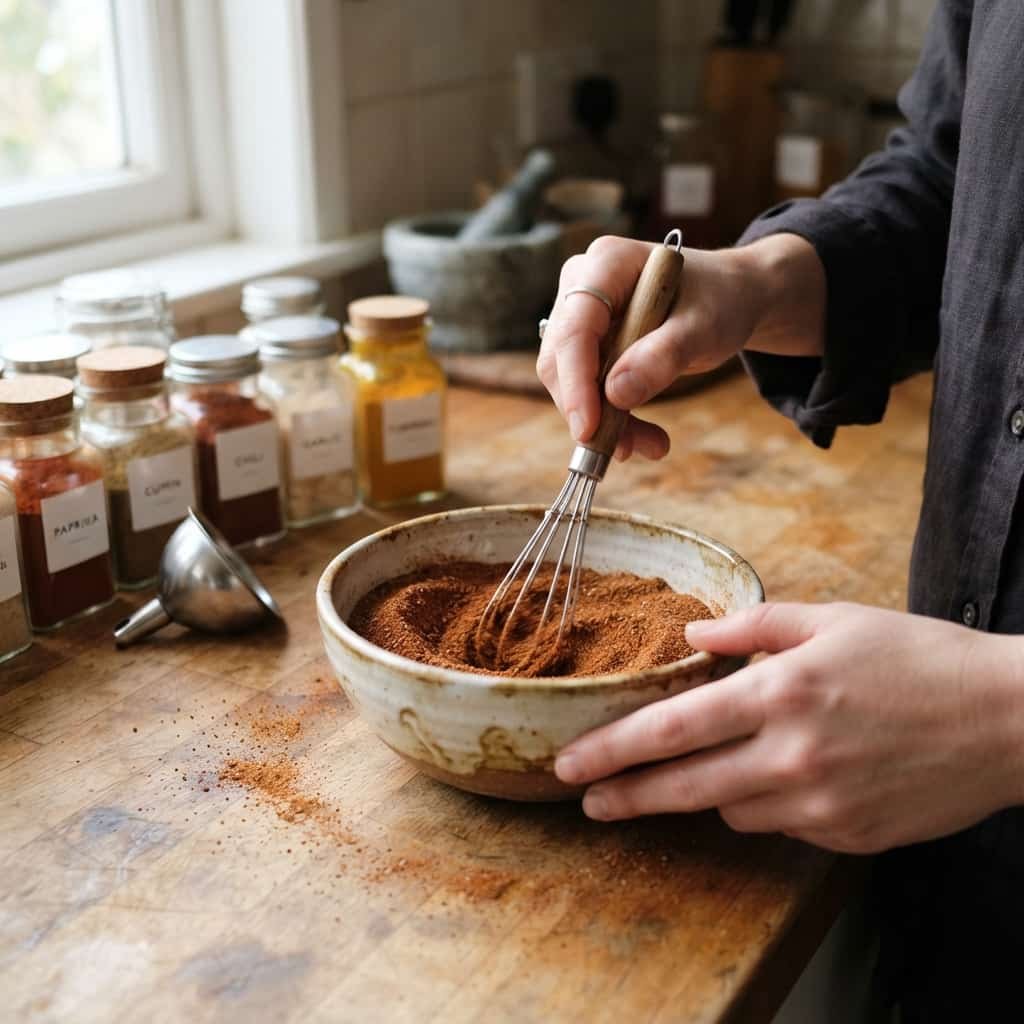
Here’s the direct answer for anyone in a hurry: measure your ground spices into a bowl, whisk them together until evenly combined, and transfer the blend to an airtight jar. That’s genuinely the whole process for the quick version.
- Measure the spices. Combine 2 teaspoons each of ground cumin and coriander with 1 teaspoon each of cinnamon, ginger, cardamom, allspice, cloves, nutmeg, and black pepper in a small bowl.
- Whisk thoroughly. Spices settle by density, so give the mix a real whisk, not just a stir, to make sure every teaspoon you scoop later has the same balance of flavors.
- Transfer to a jar. A small mason jar or spice tin with a tight lid works well. Label it, since ras el hanout can look similar to garam masala or curry powder once it’s blended.
- Store away from heat and light. A pantry shelf or spice drawer is ideal. Keep it out of direct sunlight and away from the stove, where heat will speed up flavor loss.
If you want a more intense, restaurant-style version, toast the whole spices in a dry skillet over medium-low heat for a minute or two before grinding. You’ll smell the difference the second the pan warms up. Let the toasted spices cool completely, then grind them in a spice grinder or with a mortar and pestle before combining with any pre-ground additions like nutmeg or ginger.
Ras El Hanout Recipe Variations
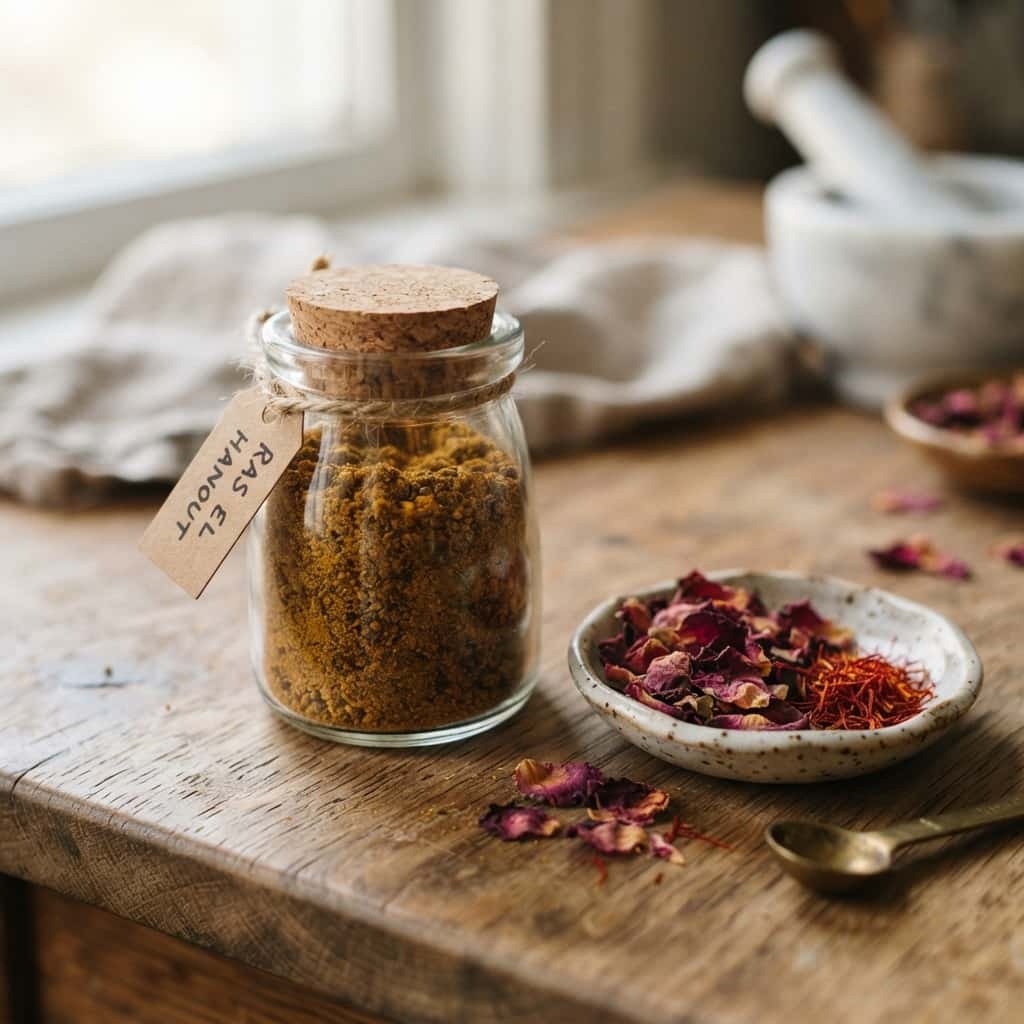
Because there’s no fixed formula, this is one of the easiest spice blends to customize once you understand the basic structure.
- For a floral note: add a small pinch of dried, food-grade rose petals or a few threads of crushed saffron.
- For more savory depth: stir in a little turmeric, extra cumin, onion powder, or smoked paprika.
- For heat: add cayenne pepper a pinch at a time, tasting as you go, since ras el hanout is traditionally warm rather than fiery.
- For a nuttier undertone: a touch of ground fennel seed rounds things out nicely, especially in blends meant for lamb.
I’d suggest making the base recipe first and living with it for a week or two before you start customizing. Once you know how the plain version tastes on chicken or vegetables, it’s much easier to tell which direction you want to push it.
How to Store Homemade Ras El Hanout
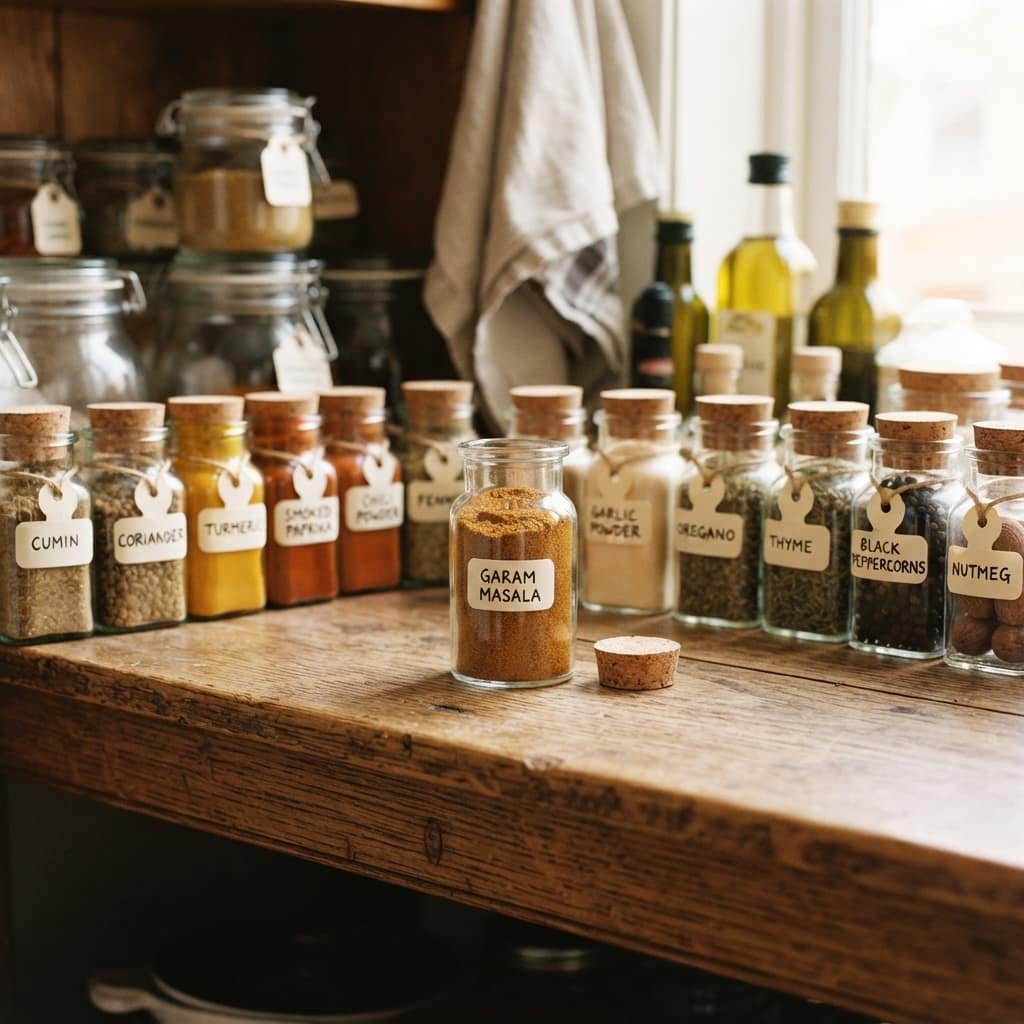
Stored in a sealed container away from heat, light, and moisture, homemade ras el hanout keeps its flavor for three to six months, and it’s technically safe to use well beyond that, just less vibrant. Ground spices lose potency faster than whole ones, so if you’re making a big batch to give as gifts, consider grinding smaller portions more often rather than one giant jar that sits half-used for a year.
If your blend starts smelling faint, a quick fix is to warm it gently in a dry skillet over low heat for thirty seconds or so, just until it turns fragrant again. It won’t fully restore lost flavor, but it helps.
How to Use Ras El Hanout in Cooking
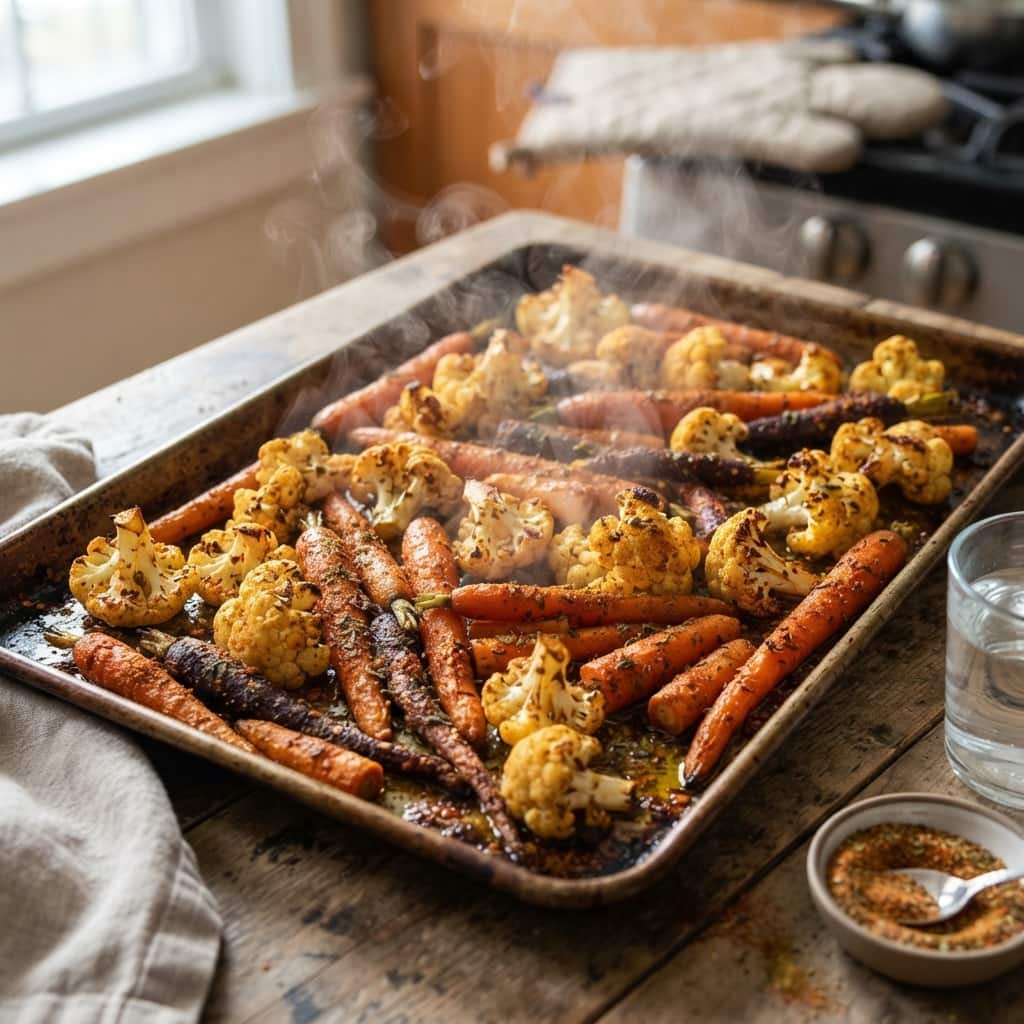
Once you’ve got a jar on hand, it’s hard to run out of ways to use it. Some of my go-to applications:
- Tagines and stews: the classic use, especially with lamb, chicken, or vegetable tagines simmered with dried fruit and almonds.
- Couscous and rice: stir a teaspoon into the cooking liquid for an instant flavor upgrade.
- Roasted vegetables: toss carrots, sweet potatoes, or cauliflower with olive oil and ras el hanout before roasting.
- Grilled or roasted meats: rub it onto chicken thighs, lamb chops, or a whole roast chicken before cooking.
- Marinades: whisk a spoonful into olive oil, a crushed garlic clove, lemon juice, and a pinch of salt for a fast overnight marinade.
- Chickpeas and legumes: toss roasted chickpeas with ras el hanout and a little salt for a snack with real depth.
A little goes a long way. Because the blend is already complex, you often need less of it than you’d expect compared to a single-note spice like cumin or paprika.
Ras El Hanout Substitutes
Out of a spice or two, or simply don’t have ras el hanout on hand? Garam masala is the closest off-the-shelf swap. The two blends share several core spices, including cumin, coriander, cinnamon, and cardamom, though garam masala tends to be a bit sweeter and less floral. Use it in equal amounts, and consider adding a pinch of paprika or cayenne to bring it closer to the North African flavor profile.
Baharat, a Middle Eastern blend built around black pepper, cumin, cinnamon, and paprika, is another reasonable stand-in, particularly for stews and grilled meats. Curry powder can work in a pinch too, though the flavor drifts further from the original, especially if the blend leans heavily on mustard or fenugreek.
If none of those are in your cabinet, a simple homemade approximation is 3 parts cumin, 2 parts paprika, 2 parts ground ginger, 1 part cinnamon, and 1 part black pepper, whisked together. It won’t have the full complexity of a proper ras el hanout recipe, but it will get a weeknight dinner most of the way there.
Frequently Asked Questions
What is ras el hanout made of?
Ras el hanout is typically made from a mix of warm and earthy ground spices, most commonly cumin, coriander, cinnamon, ginger, cardamom, allspice, cloves, and black pepper. Traditional Moroccan versions can include a dozen or more additional spices, but a simplified nine or ten spice version still delivers the signature flavor at home.
What does ras el hanout taste like?
It tastes warm and earthy with a gentle sweetness and a soft, floral undertone, plus a mild kick of heat depending on how much pepper or cayenne is included. It’s more layered than a single spice but not aggressively hot, closer to comforting than fiery.
Is ras el hanout spicy?
Not in the sense of chili heat. Ras el hanout is warming rather than fiery, built around sweet and earthy spices like cinnamon and cardamom rather than chili peppers. If you like more heat, add cayenne to taste.
What’s a good substitute for ras el hanout?
Garam masala is the closest single-blend substitute, since it shares several base spices with ras el hanout. Baharat and curry powder are reasonable backups, and a quick homemade mix of cumin, paprika, ginger, cinnamon, and black pepper will work in a pinch.
Once you’ve got a jar of homemade ras el hanout in your spice drawer, you’ll probably find yourself reaching for it more than you expected, on roasted vegetables one night and a quick chicken marinade the next. Try it in your next batch of couscous or a simple tray of roasted carrots, and see where it takes your cooking.