
Jello Weight Loss Recipe: The 3-Ingredient Gelatin Trick
A jello weight loss recipe is exactly what it sounds like: a low-calorie gelatin snack, made from unflavored gelatin, hot water, and a splash of juice, that people eat or sip about 20 minutes before a meal to feel fuller sooner. It went viral on TikTok as the “gelatin trick,” but the idea behind it isn’t new. Bariatric dietitians have recommended something close to it for years. Here’s the exact recipe, how to time it, and what it can and can’t actually do for your weight.
What Is the Jello Weight Loss Recipe?
It’s a small batch of gelatin, dissolved in hot liquid and eaten warm or chilled into cubes, taken shortly before a meal. The gelatin absorbs liquid and swells slightly in your stomach, which adds volume and a mild sense of fullness before you start eating. It’s not a fat burner. It’s a cheap, low-calorie way to eat a little less at the meal that follows.
Most versions run under 40 calories a serving, which is why it shows up so often in bariatric recipe collections, keto plans, and general low-calorie diets. Some people use plain unflavored gelatin (like Knox). Others use a packet of sugar-free Jell-O for flavor. Both work the same way.
Ingredients You’ll Need
This is deliberately short. That’s the whole appeal.
- 1 tablespoon unflavored gelatin powder (or 1 packet sugar-free Jell-O, any flavor)
- 1 cup hot water, herbal tea, or unsweetened juice
- 2–3 tablespoons cold water (for blooming)
- Optional: a squeeze of lemon juice, a pinch of salt, or a splash of apple cider vinegar
If you’re using flavored sugar-free Jell-O instead of plain gelatin, skip the blooming step below and just follow the box instructions with hot and cold water. The unflavored version takes a bit more effort but gives you full control over sugar, flavor, and texture.
How to Make It
- Bloom the gelatin. Sprinkle the gelatin powder over the cold water in a small bowl. Let it sit for 5 minutes until it thickens into a paste. This step keeps it from clumping later, and it’s worth not skipping.
- Heat your liquid. Bring the water, tea, or juice to just below a boil, then take it off the heat.
- Combine. Whisk the bloomed gelatin into the hot liquid until it’s fully dissolved and smooth, no lumps left.
- Flavor it, if you want. A squeeze of lemon brightens it up. A pinch of salt makes the flavor pop more than you’d expect from something this simple.
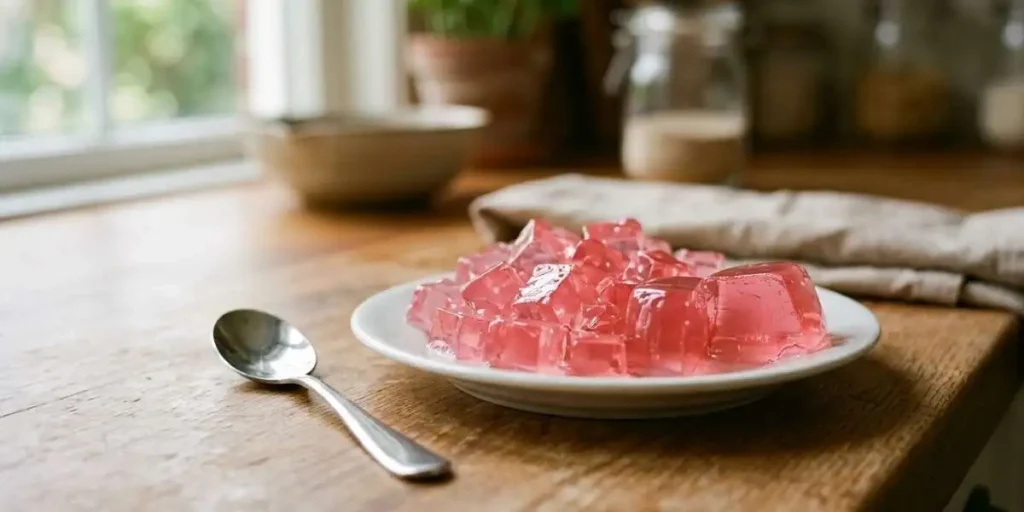
- Serve it your way. Drink it warm right away, or pour it into a small container and refrigerate for 2 hours until it sets into a soft gel you can cut into cubes.
That’s the entire jello weight loss recipe. No cooking skill required, no equipment beyond a bowl and a whisk.
When and How Often to Eat It
Most people take it 15 to 20 minutes before their biggest meal of the day, usually lunch or dinner. That window matters more than people expect. Eat it with the meal or right after and you lose the appetite effect, since the gelatin needs a few minutes to expand and settle before food arrives on top of it.
Once a day before your largest meal is the most common approach. Some people use it before every meal, but there’s no research showing that’s more effective than using it once, and eating fewer calories overall matters far more than how many times a day you use a pre-meal gelatin snack.
Does It Actually Work?
Somewhat, and it’s worth being honest about the size of the effect. Gelatin is close to pure protein, and protein is one of the more filling macronutrients, so a small dose before a meal can genuinely take the edge off your appetite. The volume from the liquid adds to that. Neither of those things burns fat or speeds up your metabolism, though, no matter what a video caption claims.
What it realistically does: helps some people eat a bit less at the meal that follows, mostly through appetite and portion size rather than any special property of gelatin itself. What it doesn’t do: replace a calorie deficit, fix cravings between meals, or work as a standalone weight loss plan. If you eat your usual portions afterward anyway, the jello trick won’t do much on its own.
It’s a genuinely useful tool for people who struggle with portion control at one specific meal, less useful for people whose weight challenges are elsewhere, like snacking after dinner or skipping meals earlier in the day. Treat it as a small assist, not a shortcut, and it earns its place.
Variations Worth Trying
Sugar-free version: Swap unflavored gelatin for a packet of sugar-free Jell-O and follow the same bloom-and-dissolve method with less water than the box calls for, so it stays a thicker, more filling texture instead of a loose gel.
Keto jello: Use unflavored gelatin with a sugar-free drink mix or a splash of a keto-friendly sweetener instead of juice. It keeps net carbs close to zero while still giving you flavor and color.
Pink gelatin (the “Dr. Oz” version): This is the one that made the trend go viral again. Use cranberry or pomegranate juice instead of plain water for the hot liquid, which turns the whole batch a soft pink and adds a touch of natural sweetness without needing sugar.
Protein-boosted version: Once the gelatin has cooled slightly (not boiling hot, or it can affect texture), whisk in a scoop of unflavored collagen or protein powder for extra protein per serving. Note this is different from replacing the gelatin with collagen entirely, since collagen peptides don’t set into a gel the way gelatin does.
Storage Tips
Chilled gelatin keeps well in an airtight container in the fridge for up to 4 days. If you made the warm-drink version and want to reheat leftover cubes, warm them gently in a small saucepan just until they turn liquid again, then let them cool slightly before drinking. Don’t let it boil, since overheating can break down the gel structure and leave it thin and watery.
Tips for Getting the Most Out of It
A few small things separate people who stick with this and people who try it once and forget about it.
Don’t skip the blooming step. It’s tempting to just dump the powder into hot water. You’ll get clumps, and clumpy gelatin is unpleasant enough that most people quit after one try. Five minutes of patience fixes it.
Keep a batch ready. Make a larger portion on a Sunday, portion it into small containers, and you’ve got a grab-and-go pre-meal snack for the week instead of something you have to remember to prepare fresh every night.
Pair it with an actual plan, not just willpower. The gelatin trick works best as one piece of a broader routine, alongside reasonable portions and regular meals, not as a replacement for either. On its own it’s a small nudge. Combined with consistent habits, that small nudge adds up.
Watch the juice. A splash of juice for color and flavor is fine. A cup of juice defeats the purpose, since you’ll add back most of the calories you were trying to cut.
Check with a doctor if you have a medical condition. This applies especially if you’re managing diabetes, kidney issues, or you’re already working with a bariatric team, since portion timing and protein intake can matter more in those situations. This recipe is a food, not a treatment, and it isn’t a substitute for guidance from your own healthcare provider.
FAQs
What’s the difference between gelatin and jello?
Gelatin is the plain, flavorless protein used to thicken liquids into a gel. Jello is a brand name for flavored, sweetened gelatin dessert mix that also contains sugar or artificial sweeteners plus food coloring. A jello weight loss recipe can use either, but plain gelatin gives you more control over calories and sugar.
Can I use regular flavored Jell-O instead of unflavored gelatin?
Yes, as long as you pick the sugar-free version. Regular Jell-O adds roughly 80 calories and 19 grams of sugar per serving, which works against the whole point of using it as a low-calorie pre-meal snack.
How much weight can this realistically help with?
There’s no fixed number, and be skeptical of anyone who gives you one. It works by nudging your appetite down at one meal, so results depend entirely on what you’d otherwise be eating and how consistently you use it alongside an overall calorie deficit. Treat any specific pounds-per-month claim online with caution.
Can I add protein powder or collagen to it?
You can stir in a scoop of unflavored whey or collagen after the gelatin dissolves and cools slightly, which boosts the protein content without changing the basic method. Just don’t substitute collagen peptides for the gelatin itself, since collagen won’t set into a gel.
How often should I eat it?
Once a day before your biggest meal is the most common and most sustainable approach. There’s no evidence that eating it before every single meal produces better results than using it once with intention.
Is the jello weight loss recipe safe for everyone?
For most healthy adults, yes, it’s just gelatin, water, and a bit of flavoring. It’s worth extra caution if you have a gelatin or collagen allergy, a swallowing difficulty, or a medical condition where portion timing and protein intake need to be managed carefully, in which case check with your doctor first. It’s a snack, not a supplement, so there’s no dosage to get wrong beyond common sense.
If you’re looking for more low-calorie, protein-forward recipes that fit into a weight-conscious routine without feeling like a diet, that’s most of what you’ll find across the rest of the site. This one’s a good place to start: cheap, five minutes of active work, and it does exactly what it says on the label, nothing more.

Pingback: Japanese Pink Salt Recipe: The Real Way to Make It