
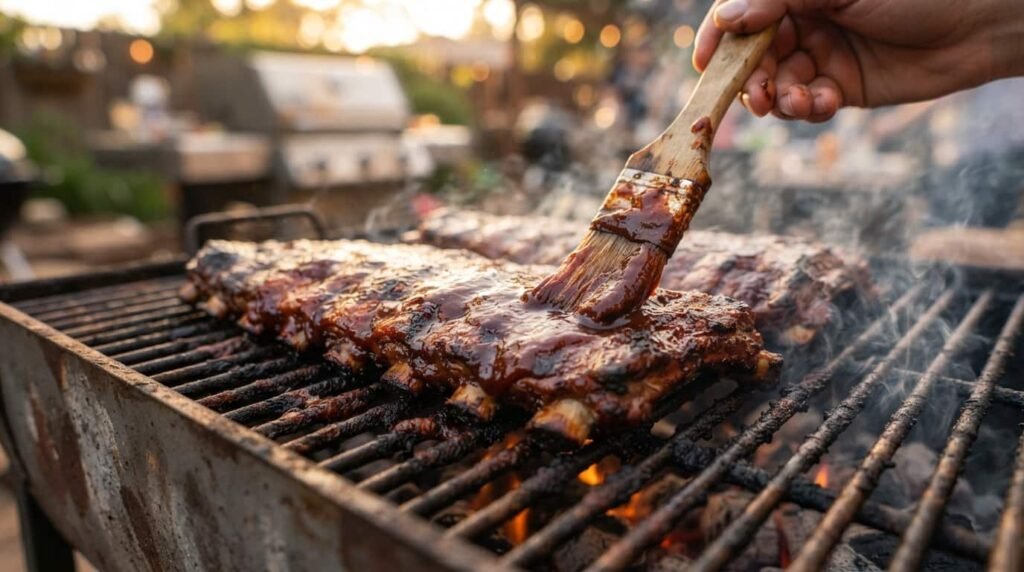
Is BBQ Sauce Gluten Free? What to Check Before You Squeeze the Bottle
Is BBQ sauce gluten free? The honest answer is: it depends on the bottle in your hand. Most BBQ sauce is built from tomato paste, vinegar, sugar, and spices, none of which contain gluten, but plenty of brands quietly add malt vinegar, wheat-based soy sauce, or a wheat-derived thickener that changes the answer completely. Two bottles can sit side by side on a grocery shelf looking nearly identical, and one is perfectly safe for celiac disease while the other isn’t. Reading the label is the only way to know for sure.
Why BBQ Sauce Isn’t Automatically Gluten Free
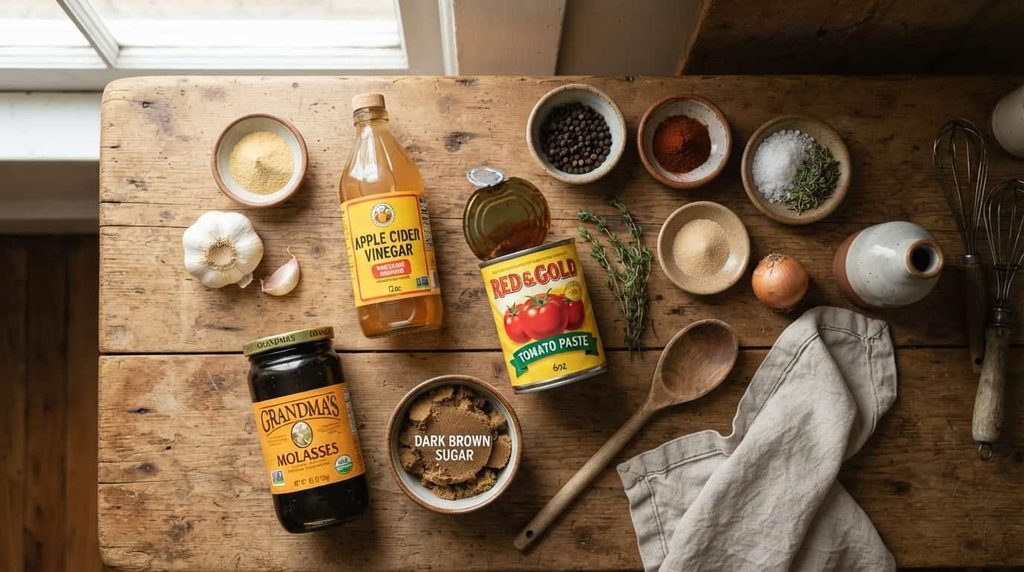
At its core, barbecue sauce is a simple recipe. Ketchup or tomato paste forms the base, vinegar brings the tang, brown sugar or molasses adds sweetness, and a handful of spices rounds it out. None of that requires gluten. The trouble starts when manufacturers reach for cheaper thickeners, umami boosters, or flavor shortcuts that happen to come from wheat, barley, or rye.
A few ingredients are repeat offenders:
- Malt vinegar is made from barley, a gluten grain, and shows up in several mainstream sauces, including some regional and “original” style recipes.
- Soy sauce is traditionally brewed with wheat unless it’s specifically labeled tamari or gluten free soy sauce.
- Modified food starch and maltodextrin can be wheat-derived, though U.S. labeling law requires the source to be disclosed if it is.
- Worcestershire sauce, a common BBQ sauce ingredient, sometimes contains malt vinegar or wheat-based soy sauce depending on the brand.
- Natural flavors and certain caramel colorings can rarely carry trace barley malt, though this is less common.
None of these ingredients are guaranteed to be in your sauce, but they’re common enough that you can’t assume a bottle is safe just because it “sounds” like tomatoes and spices.
Quick Answer: How to Tell If Your BBQ Sauce Has Gluten
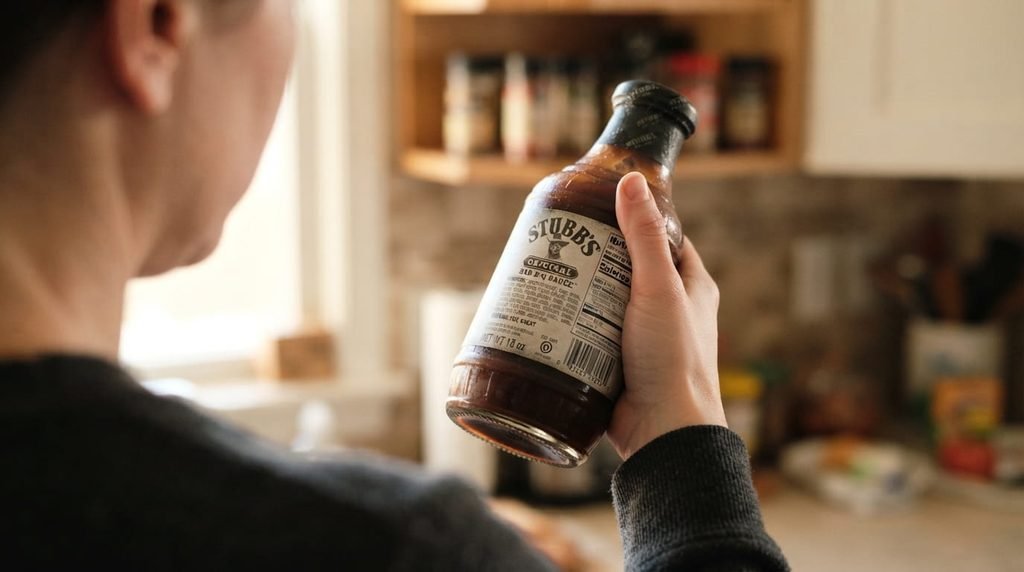
Flip the bottle over and check two spots. First, look at the allergen statement just below the ingredient list, which in the U.S. must say “Contains: Wheat” if wheat is present. Second, scan the ingredients themselves for malt vinegar, malt syrup, barley, rye, or plain soy sauce. If none of those appear and there’s no wheat listed, the sauce is very likely gluten free, even without a certified label. If you want zero guesswork, look for a “Certified Gluten-Free” seal from an organization like the Gluten-Free Certification Organization (GFCO), which confirms the product was independently tested.
Which Popular BBQ Sauce Brands Are Gluten Free?
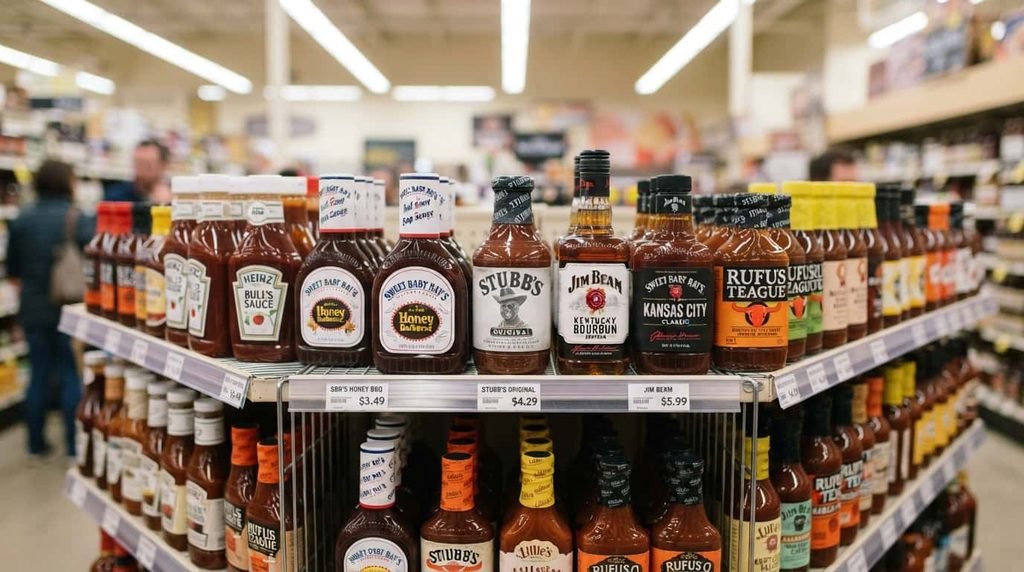
Brand formulas change, so the label on the bottle in front of you is always the final word, but here’s how some well-known names generally shake out based on current ingredient lists and manufacturer statements.
Brands That Are Typically Gluten Free
Stubb’s reformulated its entire sauce, rub, and marinade lineup to earn GFCO certification, making it one of the few mainstream national brands where every flavor carries the certified gluten-free seal. Sweet Baby Ray’s lists modified corn starch rather than a wheat-based thickener in its classic Original sauce and states that most of its products don’t contain gluten, though the company notes it isn’t certified and recommends checking the ingredient statement on each bottle since formulas can vary by flavor. KC Masterpiece sells a kettle-cooked Original sauce specifically labeled gluten free, most commonly found at warehouse club stores, though not every KC Masterpiece flavor carries that label. Heinz confirms that its Original, Regular, Chicken & Rib, Garlic, and Honey Garlic barbecue sauces are gluten free in the U.S., though other Heinz BBQ varieties may not be, so the flavor matters here too.
Brands and Products Where You Need to Check Closely
Famous Dave’s Sweet & Zesty sauce lists both malt vinegar and wheat-based soy sauce right in the ingredients, and the label explicitly states it contains gluten and soy, making it a clear example of a sauce to skip. Kraft and Bull’s-Eye sauces vary by flavor, with some formulas safe and others not, so the ingredient list needs a look every time rather than assuming the whole product line is one way or the other.
Homemade Gluten Free BBQ Sauce Is the Safest Bet
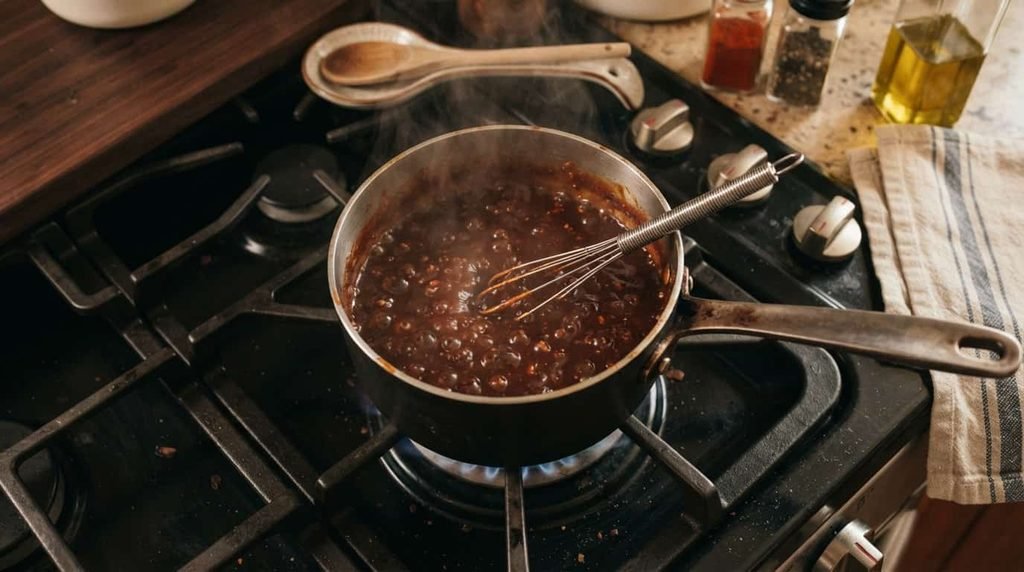
If checking every label feels tedious, making your own sauce puts you in full control, and it takes about ten minutes on the stovetop. A basic homemade gluten free BBQ sauce starts with a gluten free tomato ketchup as the base (Heinz ketchup is gluten free in the U.S.), then builds in brown sugar, a splash of distilled white or apple cider vinegar, a gluten free Worcestershire sauce, smoked paprika, onion powder, and a bit of lemon juice for brightness. Whisk everything in a small saucepan and simmer over medium-low heat until it thickens slightly, then cool before serving or storing.
The one ingredient that trips people up in homemade versions is Worcestershire sauce, since many bottles use malt vinegar or wheat-based soy sauce. Lea & Perrins is certified gluten free in the United States, and French’s brand Worcestershire sauce is also considered safe by gluten free cooks who track ingredient sourcing. If you can’t find a gluten free Worcestershire, swapping in a bit of gluten free tamari gets you a similar savory depth.
Vinegar, Soy Sauce, and Other Ingredients to Watch For at Home

Not every pantry staple is automatically safe once you start building your own sauce. Distilled vinegar, apple cider vinegar, rice vinegar, and white wine vinegar are all naturally gluten free and fine to use freely. Malt vinegar is the one to avoid, since it’s brewed from barley. If a recipe calls for soy sauce, reach for tamari or coconut aminos instead of a standard bottle, since regular soy sauce is usually brewed with wheat. For thickening a homemade sauce beyond a simple simmer, cornstarch, arrowroot starch, and tapioca starch are all gluten free options that work well.
Cross-Contamination at the Grill Is a Separate Risk
Even a certified gluten free BBQ sauce can pick up gluten after the bottle is opened if it isn’t handled carefully. A basting brush that dipped into the sauce and then touched raw hamburger buns, or a used spoon dunked back into the bottle, can introduce trace gluten that a sensitive person will react to. At a shared cookout, it helps to pour out a small portion of sauce into a separate bowl for gluten free guests rather than letting everyone dip into the same bottle, and to keep a dedicated basting brush that never touches bread or breaded foods. The grill grates themselves matter too. Crumbs from toasted buns can stick to the grates and transfer to whatever’s cooked next, so gluten free items are safest cooked first, or on a separate section of the grill, or wrapped in foil.
Is Restaurant BBQ Sauce Gluten Free?
This is harder to answer than a bottled sauce because restaurant kitchens rarely publish full ingredient breakdowns, and the sauce itself might be gluten free while still picking up cross-contact from a shared kitchen. Many barbecue restaurants now list allergen information on request or online, and it’s worth asking specifically whether the sauce contains soy sauce or malt vinegar, since those are the two most common hidden sources. If a restaurant can’t answer confidently, a plain grilled protein with the sauce on the side, or no sauce at all, is the more cautious choice.
Frequently Asked Questions
Is Sweet Baby Ray’s BBQ sauce gluten free?
Sweet Baby Ray’s Original sauce lists modified corn starch, not a wheat-based thickener, and the company states most of its products don’t contain gluten. It isn’t certified gluten free, though, so people with celiac disease should still check the ingredient statement on the specific bottle and flavor they’re buying, since formulas can differ.
What ingredients in BBQ sauce contain gluten?
The most common sources are malt vinegar, which is made from barley, and traditional soy sauce, which is typically brewed with wheat. Less commonly, modified food starch, maltodextrin, or natural flavors can be wheat-derived, though U.S. labels are required to disclose wheat if it’s present.
Is Heinz BBQ sauce gluten free?
Several Heinz barbecue sauce varieties are gluten free in the U.S., including the Original, Regular, Chicken & Rib, Garlic, and Honey Garlic flavors. Other Heinz BBQ products may differ, so it’s worth checking the specific flavor’s label.
Can I make BBQ sauce gluten free at home?
Yes, and it’s one of the more forgiving sauces to make from scratch. A base of gluten free ketchup, vinegar, brown sugar, gluten free Worcestershire sauce, and spices comes together in under fifteen minutes, and you control every ingredient that goes in.
Does malt vinegar always mean a sauce isn’t gluten free?
Yes. Malt vinegar is made from barley, which contains gluten, so any sauce listing malt vinegar on the label should be avoided by anyone with celiac disease or a gluten sensitivity, regardless of what other ingredients are in the bottle.
The Bottom Line
BBQ sauce can absolutely be part of a gluten free diet, but it isn’t a given just because it’s mostly tomatoes and spices. Brands like Stubb’s are certified gluten free across the board, others like Sweet Baby Ray’s and Heinz are gluten free in most of their core flavors without full certification, and a few, like Famous Dave’s Sweet & Zesty, clearly contain gluten right on the label. The habit that protects you either way is the same one: check the ingredient list and the allergen statement every time, even on a brand you’ve bought before, since formulas do change.


Pingback: Gluten Free BBQ Sauce: Homemade Recipe + Best Brands - kitchennista.com