
How Long Does Spray Paint Take to Dry? A Practical 2026 Guide
Most spray paint feels dry surprisingly quickly, but that does not mean the finish is ready to handle, recoat, or use.
For many spray-paint projects, you can expect the surface to feel dry to the touch in about 15 to 30 minutes. Light handling may be possible after a few hours, while a durable, fully hardened finish can take 24 to 48 hours or longer. Some oil-based, enamel, or specialty paints need several days to cure.
That difference matters.
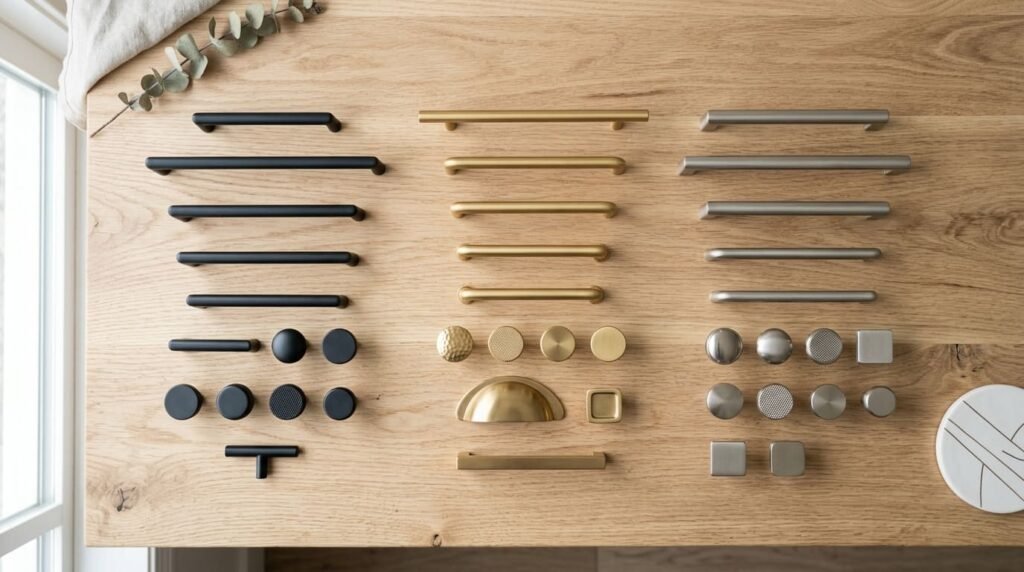
A painted cabinet handle can feel perfectly dry when you pick it up, yet still develop fingerprints if you squeeze it too hard. A freshly painted metal basket may look finished but stick to another surface if you stack it too soon.
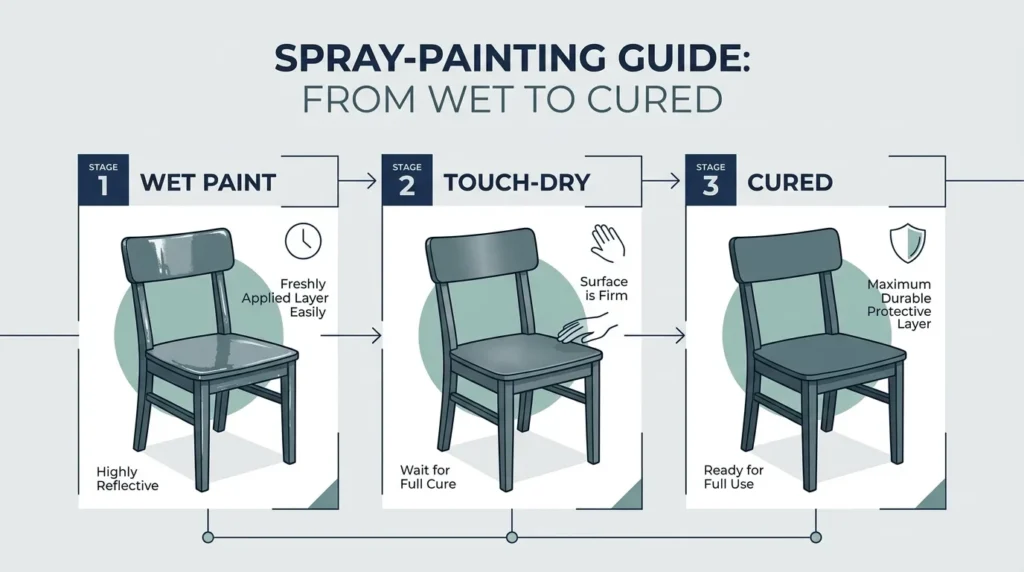
I’ve found that the easiest way to avoid these problems is to stop thinking of spray paint as simply “wet” or “dry.” It passes through several stages, and each stage has a different purpose.
How Long Does Spray Paint Take to Dry?
For a typical spray-paint project, these are useful general ranges:
| Drying stage | Typical time | What it means |
|---|---|---|
| Surface begins drying | 5–15 minutes | The wet sheen starts disappearing |
| Dry to the touch | 15–30 minutes | Light contact usually won’t leave a mark |
| Ready for careful handling | 1–4 hours | The finish has become firmer |
| Recoat window | Check the paint label | Depends heavily on the formula |
| Fully cured | 24–48 hours | The coating has hardened substantially |
| Specialty or slow-curing paint | 3–7+ days | Some formulas need much longer |
These are general ranges, not guarantees. The exact answer to “how long does spray paint take to dry?” depends on the paint formula, temperature, humidity, coat thickness, ventilation, and the material being painted.
The can’s instructions should always take priority, particularly for the recoat window.
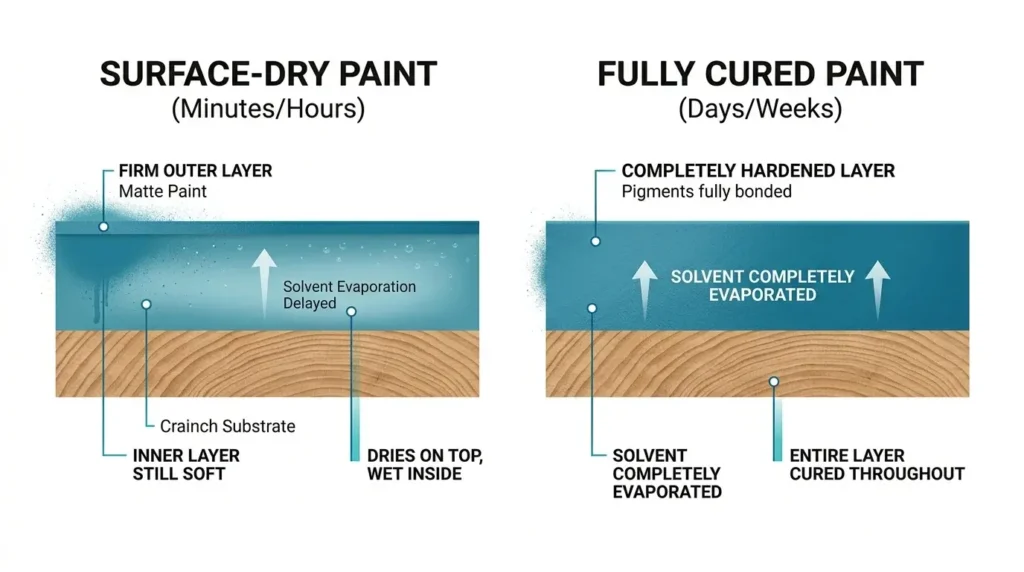
One detail is easy to overlook: drying and curing are different processes. A surface can be touch-dry while the paint underneath is still soft.
That is why rushing a project often causes more problems than the actual painting does.
What Is the Difference Between Drying and Curing?
Spray paint doesn’t become completely hard the moment the surface stops feeling wet.
As solvents and other volatile components leave the coating, the paint gradually becomes firmer. The outer surface usually changes first, while the layer underneath may remain soft for considerably longer.
Think of the process like this:
Wet → surface dry → touch dry → hardening → fully cured
Surface dry
The glossy, wet appearance begins to disappear. Depending on the product and conditions, this can happen within several minutes.
At this stage, the paint is still extremely easy to disturb. Don’t touch it just because it no longer looks wet.
Dry to the touch
This is the stage most people mean when they say paint is “dry.”
A very light touch may not leave a fingerprint, but that doesn’t mean the finish can withstand pressure, friction, stacking, or normal use.
Hard dry
The coating has become noticeably firmer and less tacky. Careful handling is safer, although the paint may still be vulnerable to scratches and pressure.
Fully cured
Curing is the point at which the coating has developed much more of its intended hardness and durability.
For many common spray paints, this can take a day or two. Some products, particularly slower formulas, can take considerably longer.
This distinction is especially important for things such as cabinet hardware, furniture, shelves, storage containers, and decorative pieces that will be touched frequently.
How Long Should You Wait Between Spray Paint Coats?
This is where many otherwise good spray-paint projects go wrong.
There isn’t one universal recoat time for every spray paint. Some products allow another coat relatively soon, while others specify a much longer waiting period.
Always check the can before spraying the next coat.
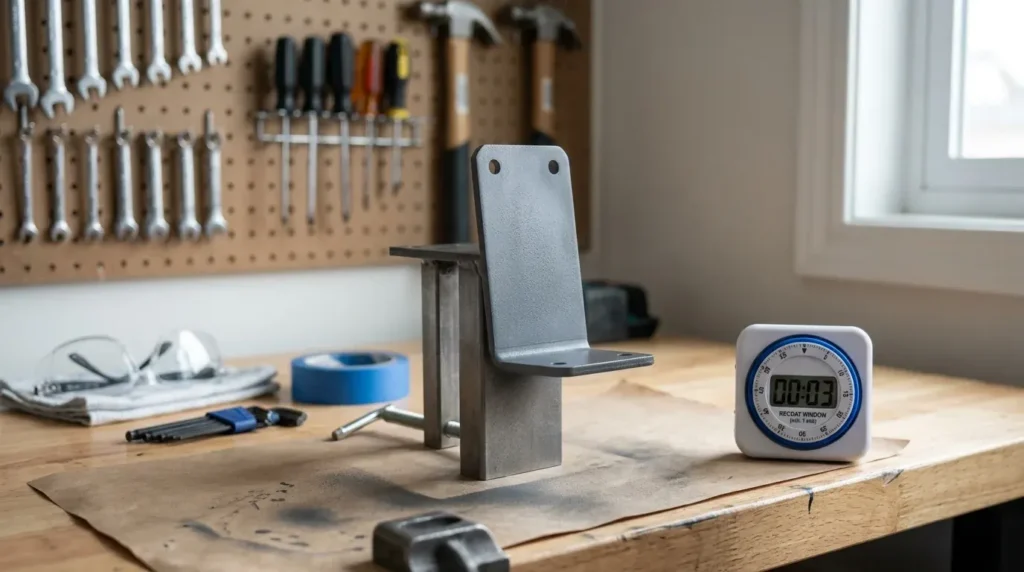
A useful example is the recoat window. If a product says another coat should be applied within a certain period, follow that instruction rather than relying on a generic “wait an hour” rule.
Why does this matter?
Because adding another coat while the first layer is in an unsuitable stage can cause problems such as:
- Wrinkling
- Lifting
- Soft or gummy areas
- Uneven texture
- Cracking
- Poor adhesion between layers
A common mistake is thinking that waiting longer is always safer. It isn’t necessarily.
Some spray paints have a specific window in which another coat can be applied, followed by a longer period where you are supposed to let the paint cure before recoating.
If you’re unsure, the label is more reliable than a general internet drying chart.
Why thin coats work better
A heavy coat may look attractive because it gives you more color in one pass, but it can trap solvent beneath the surface.
The top can begin forming a skin while the material underneath remains soft.
Thin coats take more patience, but they usually give you better control.
For many projects, two or three light passes produce a cleaner result than trying to get complete coverage with one heavy spray.
How Long Does Spray Paint Take to Dry on Different Surfaces?
The surface underneath the paint affects how the project behaves, but the paint formula remains one of the biggest factors.
Metal
Metal is a common spray-paint surface because many spray paints bond well to properly prepared metal.
A thin coat can become touch-dry relatively quickly, often within 15 to 30 minutes under good conditions. However, give the finish considerably more time before regular handling.
Metal cabinet pulls, wire baskets, brackets, and decorative hardware are good examples.
For something that will be touched constantly, I would rather wait overnight than risk damaging a finish that only feels dry on the surface.
Wood
Wood is porous, but that doesn’t mean spray paint automatically dries faster.
The condition of the wood, primer, previous finish, temperature, and paint formula all matter.
Raw wood can absorb some of the coating, while sealed or previously painted wood behaves much more like a non-porous surface.
If you’re painting furniture, thin coats are particularly useful because heavy application can leave the surface soft for much longer than expected.
Plastic
Plastic can be more difficult than metal because many plastics have poor paint adhesion.
Use a coating designed for the type of plastic or use the recommended primer when the paint system calls for one.
Plastic may feel dry within 30 minutes to an hour, but I would avoid aggressive handling until the coating has had more time to harden.
A phone stand, planter, storage container, or plastic organizer may look finished long before it is resistant to scratching.
Glass and ceramic
Glass and glazed ceramic are smooth, non-porous surfaces. They can be spray-painted, but adhesion and curing requirements depend heavily on the product.
A painted glass vase may feel dry within an hour while still being vulnerable to rubbing or washing.
If the object will be cleaned frequently, choose a coating specifically suited to that type of use and follow its curing instructions closely.
Concrete
Concrete is porous and can hold moisture, so preparation matters.
Even if the surface feels dry relatively quickly, don’t assume the coating has reached full hardness. Dense, cool concrete can also make drying slower than expected.
Fabric
Standard spray paint isn’t automatically suitable for fabric.
If you’re working on a craft project involving fabric, use a product specifically intended for textiles and follow its curing instructions. Fabric also flexes, which creates a different durability challenge from a rigid surface.
How Long Does Spray Paint Take to Dry by Paint Type?
The formula can make a substantial difference.
| Spray paint type | General drying behavior |
|---|---|
| Acrylic | Often relatively fast; many are touch-dry within 10–30 minutes |
| Enamel | Usually slower and may need several hours before careful handling |
| Oil-based | Often slower to dry and can require several days to fully cure |
| Lacquer | Typically very fast surface drying |
| Epoxy | May become touch-dry fairly quickly but can require much longer to fully cure |
These categories overlap, and product formulations vary. Don’t assume that every can labeled “enamel” or “acrylic” follows exactly the same schedule.
The safest approach is to use the category as a rough expectation and the manufacturer’s instructions as the final answer.
For example, if you’re using spray paint on a frequently handled item, don’t choose a product based only on how quickly it becomes touch-dry. A slower coating that develops the durability you need may be more suitable than a fast-drying product that isn’t designed for the job.
What Makes Spray Paint Dry Faster or Slower?
Four conditions usually make the biggest difference: temperature, humidity, airflow, and coat thickness.
Temperature
Moderate warmth generally helps the solvents evaporate more effectively.
A very cold garage can turn a quick project into an overnight wait. When temperatures drop significantly, the paint may remain tacky and take much longer to harden.
Don’t solve the problem by putting the freshly painted object next to an extreme heat source. Follow the paint manufacturer’s recommended application temperature instead.
Humidity
High humidity can slow evaporation.
If the air is already holding a lot of moisture, spray paint may take longer to dry and can develop finish problems depending on the product and conditions.
If possible, paint when the environment is relatively dry.
This is particularly useful in garages, basements, bathrooms, and other spaces where moisture levels fluctuate.
Airflow
Good ventilation helps move vapors away from the work area.
A fan can improve general air circulation, but don’t blast a strong stream of air directly across wet paint. That can introduce dust and debris into the finish.
More importantly, spray paint should be used with appropriate ventilation and according to the safety instructions on the can.
Coat thickness
This is one of the easiest variables to control.
If the paint looks heavily wet and glossy immediately after spraying, you’ve probably put down more material than necessary.
Several light passes usually give solvents a better chance to escape between coats.
The goal isn’t to make the first coat look perfect. The goal is to build an even finish without creating a thick, trapped layer.
How Can You Make Spray Paint Dry Faster?
If you’re working on a deadline, there are several safer ways to reduce drying time without sacrificing the finish.
Start with the environment. Work within the temperature and humidity range recommended by the manufacturer. A controlled indoor workspace is often easier to manage than a cold or damp garage.
Use thin coats. Hold the can at the distance specified on the label and keep it moving. Avoid stopping over one area.
Allow enough ventilation. Good airflow helps carry vapors away while also improving the working environment.
Choose the right product. If speed matters, look for a formula specifically marketed for faster drying or curing, but still follow its instructions.
Don’t use excessive heat. A hair dryer on a cool or low setting may sometimes help move air around a project, but it isn’t a substitute for proper curing. Avoid heat guns around solvent-based spray paint because of the risk of overheating the coating and the flammable vapors.
Direct sunlight isn’t a reliable shortcut either. It can heat the surface unevenly and create problems such as bubbling, skinning, or an uneven finish.
The best “speed trick” is usually not a trick at all: thin coats in suitable conditions.
Why Is My Spray Paint Still Tacky After It Should Be Dry?
If your spray paint remains sticky long after the expected drying time, don’t immediately assume the paint is defective.
Several common causes can explain it.
The coat may be too thick. This is probably one of the first things to consider. The outer layer can dry while the material underneath remains soft.
The environment may be too cold or humid. Drying times printed on the can are based on particular conditions. Your garage in cool, damp weather may behave very differently.
The product may be incompatible with the surface or previous coating. If the underlying finish reacts with the new paint, the result can remain soft, wrinkle, or become sticky.
The surface may not have been properly prepared. Grease, wax, dirt, or other contaminants can interfere with adhesion and drying.
You may have recoated at the wrong time. A second coat applied outside the product’s recommended window can cause unexpected reactions.
If the paint is only slightly tacky, the first step is usually patience. Put the project in a suitable, well-ventilated environment and give it additional time.
Don’t immediately add another heavy coat on top of a sticky surface. That can make the problem much harder to fix.
Can Spray Paint Dry Overnight?
Usually, yes, but overnight does not always mean fully cured.
After several hours, many spray-painted objects will be dry enough to move carefully. By the next morning, the surface may feel completely dry.
That still doesn’t mean you should immediately:
- Stack heavy objects on it
- Scrub or wash it
- Drag it across another surface
- Install tightly fitting hardware
- Expose it to harsh weather
- Assume it has reached maximum hardness
For a decorative item that won’t be touched, overnight may be plenty of time for careful placement.
For cabinet handles, furniture, shelves, tools, or anything exposed to repeated friction, give the paint its full recommended cure time.
When Can You Handle, Use, or Wash Spray-Painted Items?
The answer depends on what “use” means.
A freshly painted decorative frame that sits on a shelf is very different from a cabinet knob that gets grabbed dozens of times a day.
A practical approach is:
Light touch: Wait until the paint is genuinely dry to the touch.
Careful moving: Give it several hours when possible.
Normal handling: Ideally wait until the coating has hardened substantially.
Heavy use: Wait for the full cure time listed by the manufacturer.
Washing or scrubbing: Wait until the coating has fully cured and confirm that the product is suitable for that type of cleaning.
This is where patience pays off. The extra day can be far less frustrating than having to strip and repaint the entire piece.
Common Spray Paint Drying Mistakes to Avoid
Spraying one thick coat
The desire to finish quickly often leads to over-spraying.
A thick coat can stay soft underneath even when the surface looks dry. It can also run, sag, wrinkle, or develop an uneven texture.
Touching the paint to “check”
We’ve all done it.
A quick fingertip test seems harmless, but it can leave an invisible mark or fingerprint that becomes obvious once the finish hardens.
If you need to check progress, use the manufacturer’s stated drying time instead of repeatedly touching the surface.
Ignoring the recoat instructions
“Wait an hour” isn’t a universal rule.
Read the can before starting the project so you know whether the next coat should be applied within a short window or only after a longer cure period.
Painting in poor weather
Cold, damp conditions can dramatically change how a project behaves.
If the environment isn’t suitable, waiting for better conditions may save you from a sticky finish.
Handling the project too soon
This is particularly common with furniture and hardware.
The object looks perfect, so it gets installed immediately. Then fingerprints, pressure marks, or scratches appear.
Let appearance be the first milestone, not the final one.
A Simple Spray Paint Drying Schedule for DIY Projects
If you’re painting a small household item and don’t have a strict deadline, this is a practical approach:
Step 1: Prepare the surface.
Clean away grease, dirt, dust, and loose old coating. Sand when appropriate for the material and paint system.
Step 2: Apply a light first coat.
Don’t chase full coverage immediately.
Step 3: Let the first coat dry according to the label.
Avoid touching it repeatedly.
Step 4: Apply the next coat only during the manufacturer’s recommended recoat window.
Step 5: Inspect the finish.
If coverage is uneven, add another light coat rather than flooding the surface with paint.
Step 6: Let the finished piece cure.
Even if it feels dry, give it enough time before normal use.
For a cabinet-hardware project, for example, I would rather paint the pieces one day and install them later than finish spraying in the morning and start handling them heavily that afternoon.
The Bottom Line: Give Spray Paint Time to Harden
So, how long does spray paint take to dry?
For many common spray paints, expect roughly 15 to 30 minutes to become touch-dry, several hours before more confident handling, and 24 to 48 hours or longer for substantial curing. But the exact timeline depends on the product and conditions.
The biggest mistake is treating “dry to the touch” as “ready for anything.”
If the project matters, read the can, spray thin coats, work in suitable conditions, respect the recoat window, and give the finished piece enough time to cure.
That extra patience is especially worthwhile on furniture, cabinet hardware, decorative metalwork, and other projects where fingerprints or scratches will be obvious.
How long does spray paint take to dry before rain?
Don’t rely on touch-dry time when rain is involved. Water can damage or mark a coating that hasn’t cured sufficiently.
If the painted item will be outdoors, check the specific product’s instructions and give it the recommended protection from moisture.
How long does spray paint take to dry on metal?
Many spray paints become touch-dry on metal within roughly 15 to 30 minutes under suitable conditions. That doesn’t mean the metal is ready for heavy handling. Allow additional time for the coating to harden and follow the product’s cure instructions.
How long does spray paint take to dry on plastic?
A common range is around 30 minutes to an hour for the surface to feel dry, but plastic can require more care because adhesion varies between materials. Use a paint designed for plastic when required and avoid heavy handling until the coating has hardened.
Can I put a second coat on spray paint after 30 minutes?
Possibly, but only if the product’s instructions allow it.
Some spray paints have a short recoat window, while others require a longer wait. Thirty minutes is not a universal rule.
Why did my spray paint wrinkle?
Wrinkling can happen when a new coat interacts with an underlying layer that hasn’t dried or cured appropriately. Heavy application, incompatible coatings, and recoating outside the manufacturer’s recommended window can all contribute.
Is spray paint fully cured when it is dry to the touch?
Dry to the touch simply means the surface can usually tolerate light contact without leaving an obvious mark. Full curing takes longer and is when the coating develops much more of its final hardness and durability.

Pingback: Graco Cordless Paint Sprayer: Worth It in 2026? (Guide)