
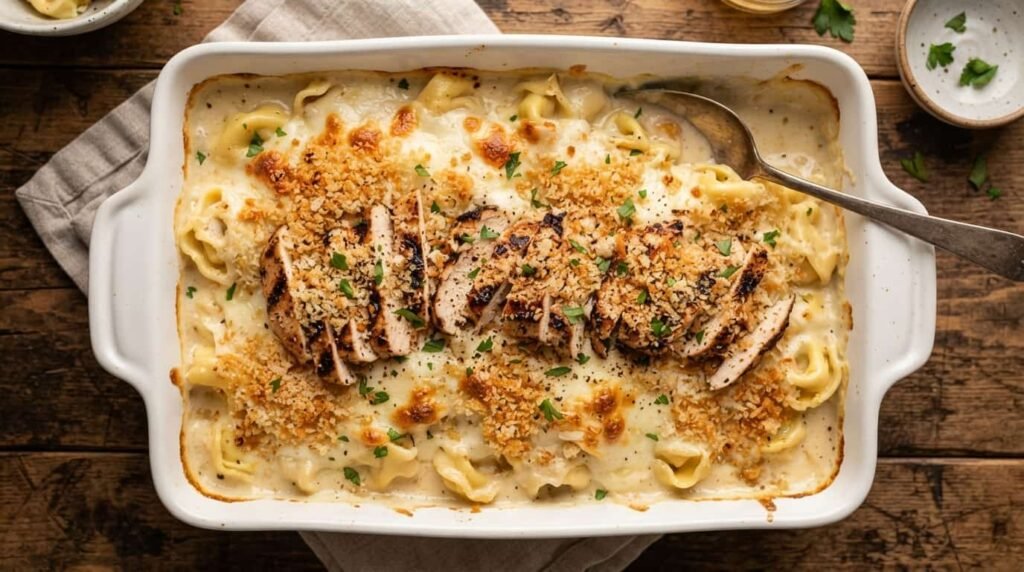
Chicken Tortelloni Alfredo Olive Garden Copycat Recipe
If you’ve ever left Olive Garden dreaming about that pan of chicken tortelloni alfredo olive garden fans can’t stop ordering, you already know the appeal: pillowy cheese-stuffed pasta, a sauce that clings to every fold, and grilled chicken tucked under a golden layer of breadcrumbs and melted cheese. I’ve tested this recipe in my own kitchen more times than I can count, chasing that exact restaurant texture, and I’m sharing the version that finally got it right. No dinner reservation required, and it’s on the table in well under an hour.
What Is Olive Garden’s Chicken Tortelloni Alfredo?
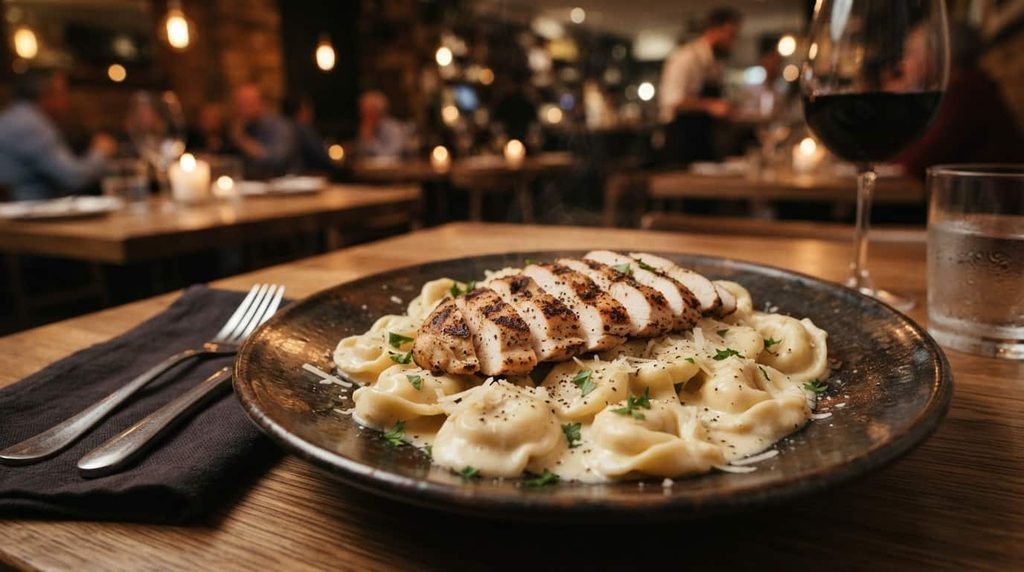
Olive Garden’s chicken tortelloni alfredo is a baked pasta entrée built around Asiago cheese-filled tortelloni, tossed in a made-from-scratch alfredo sauce, layered with a blend of Italian cheeses, topped with toasted breadcrumbs, and finished with sliced grilled chicken. It’s part of the chain’s “Amazing Alfredo” lineup, and it’s noticeably richer than the classic fettuccine alfredo because the sauce gets extra body from the tortelloni’s cheese filling and the baked cheese topping. It’s one of the priciest items on the Classic Entrées catering menu for a reason: three separate components (pasta, sauce, protein) all have to land at once.
Quick Answer: How Do You Make Chicken Tortelloni Alfredo at Home?
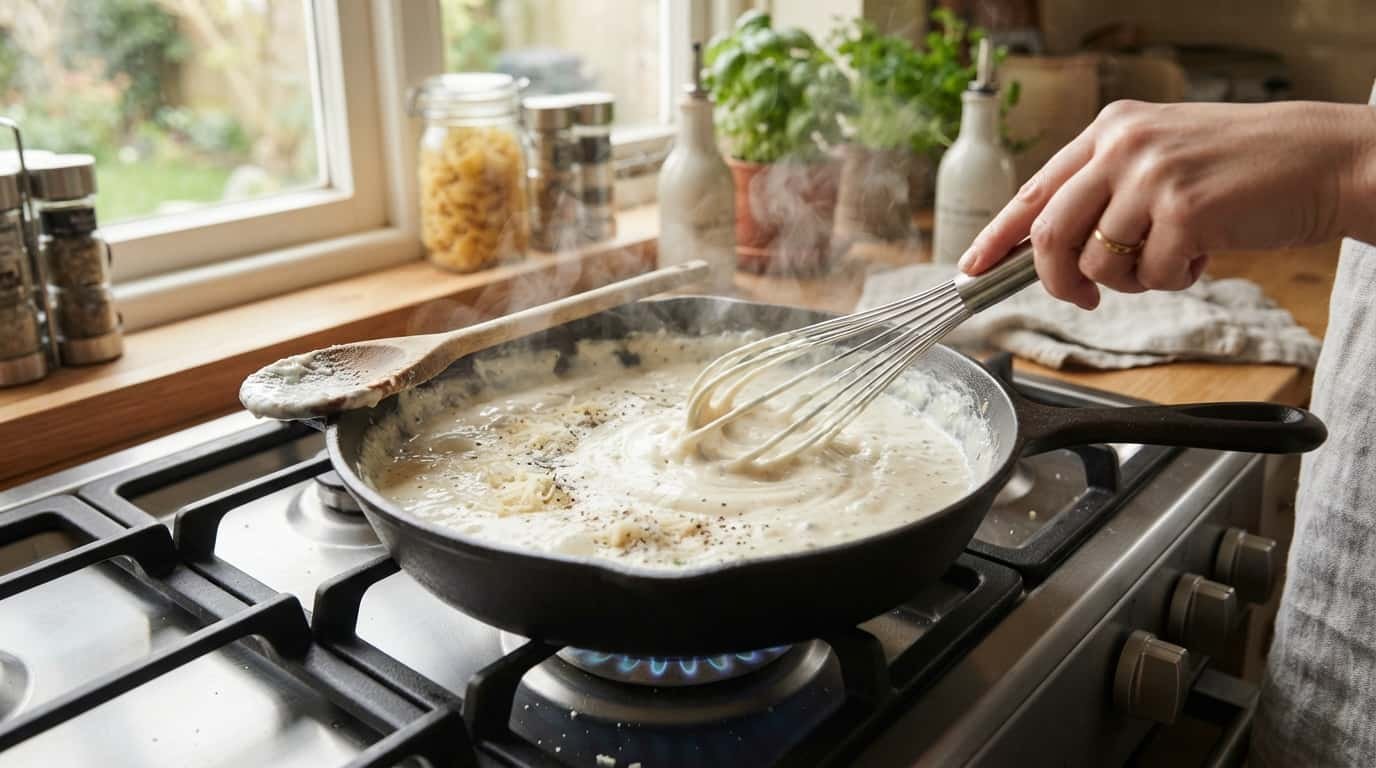
To make chicken tortelloni alfredo at home, cook cheese tortelloni until just tender, sear seasoned chicken breast until golden, then simmer butter, heavy cream, and freshly grated Parmesan into a smooth alfredo sauce. Toss everything together, top with breadcrumbs and mozzarella, and broil for two to three minutes until bubbly and browned. The whole process takes about 35 to 40 minutes from start to finish, and most of that is hands-off simmering time.
Ingredients You’ll Need
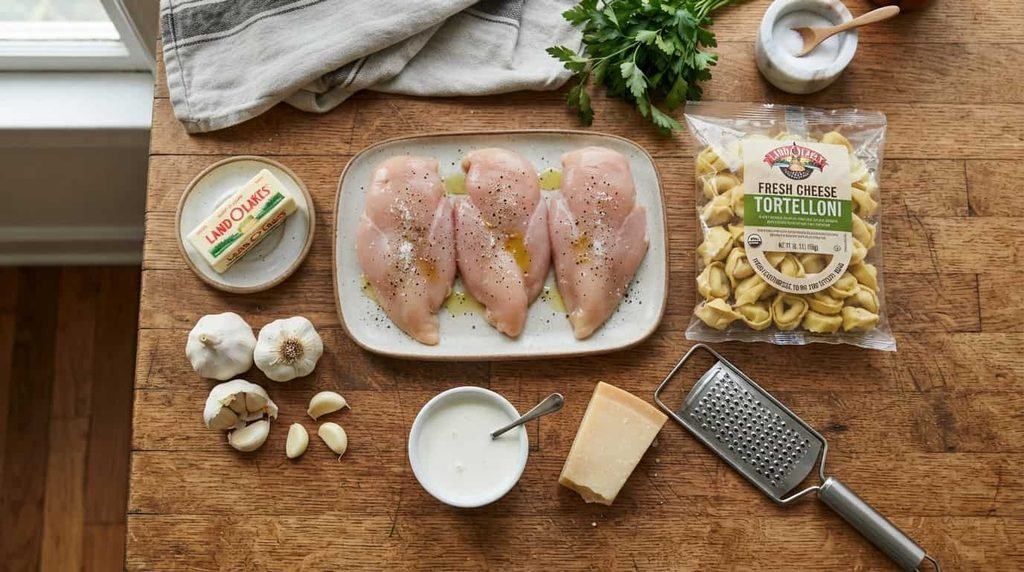
This recipe leans on a short list of ingredients that punch above their weight. Here’s what goes into a home version of chicken tortelloni alfredo:
- Chicken breast – boneless, skinless, cut into cutlets or cubes depending on how you like it plated
- Cheese tortelloni – fresh if your grocery store carries it, frozen cheese tortellini works as a close substitute
- Butter and olive oil – the base for both searing the chicken and building the sauce
- Heavy cream – the backbone of a proper alfredo, don’t swap in milk or half-and-half if you want that restaurant thickness
- Freshly grated Parmesan – pre-shredded bags contain anti-caking starch that keeps the sauce from going silky
- Garlic – fresh cloves, minced
- Italian seasoning, salt, and black pepper
- Panko breadcrumbs and shredded mozzarella – for that baked, golden top layer
- Fresh parsley – for garnish
If you can track down Asiago cheese-filled tortelloni specifically, use it. That’s the filling Olive Garden uses, and it adds a sharper, nuttier note than a standard cheese blend. It can be tricky to find outside specialty Italian markets, so plain cheese tortelloni or tortellini is a completely fine stand-in.
How to Make Chicken Tortelloni Alfredo (Olive Garden Copycat)
- Cook the tortelloni. Bring a large pot of salted water to a boil and cook the tortelloni according to the package directions, pulling it about a minute early since it’ll finish cooking in the oven later. Drain and set aside.
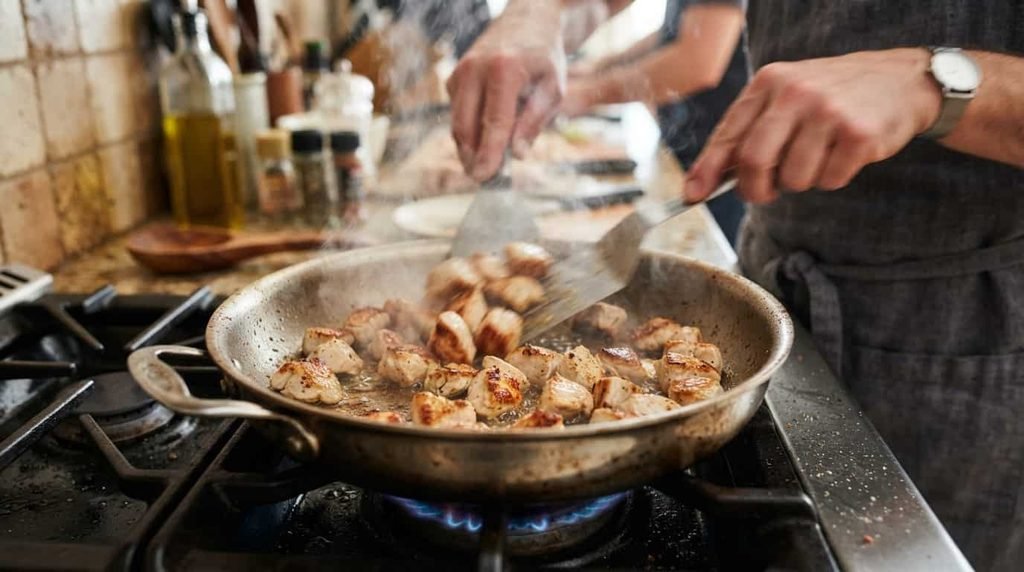
- Season and sear the chicken. Cut the chicken into cutlets or 1-inch cubes, toss with olive oil, salt, pepper, and Italian seasoning, then sear in a hot skillet for 5 to 7 minutes until golden and cooked through. Set the chicken aside and let it rest before slicing.
- Build the alfredo sauce. In the same skillet, melt butter over medium heat, scraping up any browned bits left from the chicken. Pour in the heavy cream and bring it to a gentle simmer for 3 to 4 minutes so it thickens slightly.
- Whisk in the cheese. Gradually add the Parmesan, whisking constantly until the sauce is smooth. If it’s too thick, loosen it with a splash more cream; if it’s too thin, let it simmer a couple extra minutes.
- Combine and transfer. Fold the drained tortelloni into the sauce, then spread everything into a greased baking dish. Arrange the sliced chicken on top.
- Add the topping and broil. Sprinkle panko breadcrumbs and mozzarella evenly over the top, then broil for 2 to 3 minutes, watching closely, until golden brown and bubbling. Garnish with parsley before serving.
This is the same basic method dozens of home cooks use to recreate the dish, and it’s the closest I’ve gotten the texture to match what comes out of the Olive Garden kitchen: creamy underneath, crisp and cheesy on top.
Tortelloni vs. Tortellini: What’s the Difference?
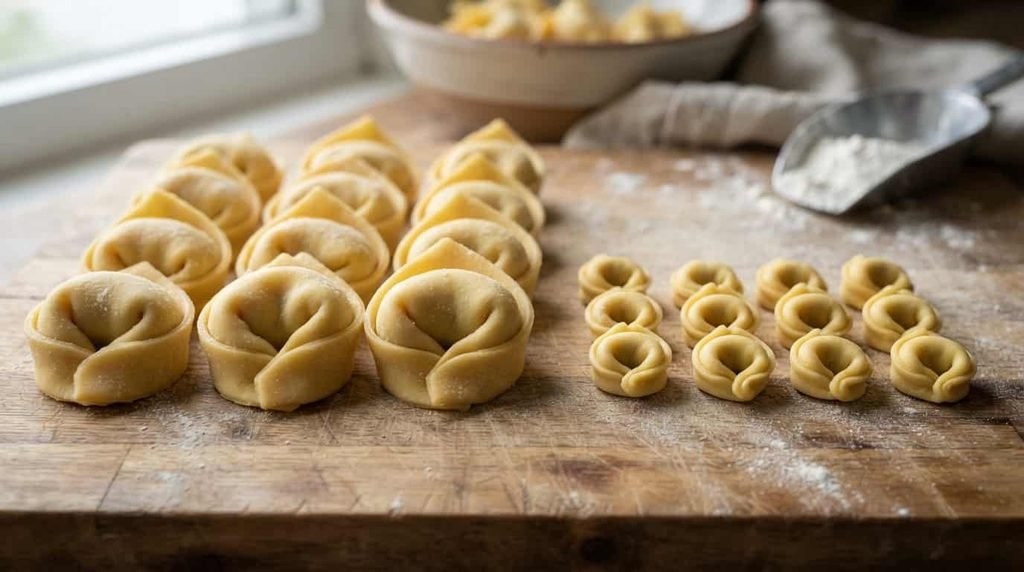
Shoppers hunting for ingredients for chicken tortelloni alfredo often hit a wall at the grocery store, because tortelloni is genuinely harder to find than tortellini. The two pastas look similar and are frequently used interchangeably in home kitchens, but there are real differences. Tortelloni is the larger of the two, sometimes as wide as the palm of your hand, and it’s traditionally stuffed with cheese, spinach, or other vegetarian fillings. Tortellini is smaller, ring-shaped, and more often filled with a meat-and-cheese blend, though cheese-only versions exist too.
For this recipe, either works fine. If your store only stocks tortellini, cheese tortellini gets you 95 percent of the way to Olive Garden’s version, and nobody at the dinner table is likely to notice the size difference once it’s coated in sauce.
Olive Garden Chicken Tortelloni Alfredo Price and Calories
If you’re weighing whether to order it in-restaurant or make it yourself, here’s what to expect. A single dine-in serving of chicken tortelloni alfredo at Olive Garden runs in the mid-$20s, and it comes with unlimited breadsticks plus a choice of soup or salad. On the calorie side, one restaurant serving contains roughly 1,980 calories, 131 grams of fat, 95 grams of carbohydrates, and 112 grams of protein, according to Olive Garden’s published nutrition information. That puts it near the top of the menu for richness, which tracks with a dish built from cream, three cheeses, and baked breadcrumbs.
Making chicken tortelloni alfredo at home doesn’t erase those numbers entirely since the ingredients are the same, but it does let you control portion size and skip the unlimited breadstick basket, which can meaningfully cut back the total meal.
Tips for the Best Alfredo Sauce
A few small habits separate a good alfredo from a great one:
- Use freshly grated Parmesan. Pre-shredded cheese won’t melt into the silky texture this sauce needs.
- Keep the heat moderate. High heat can cause cream sauces to scorch or separate; a gentle simmer is all it takes to thicken.
- Stir constantly once the cheese goes in. This keeps the sauce from clumping or breaking.
- Adjust consistency at the end. A splash of reserved pasta water or extra cream fixes a sauce that’s gone too thick.
- Don’t skip the resting step for the chicken. Letting it sit for a few minutes before slicing keeps the juices in instead of on the cutting board.
Recipe Variations Worth Trying
Once you’ve made the base recipe once, it’s easy to riff on it depending on what’s in your fridge or who you’re feeding.
- Swap the protein. Grilled shrimp, sliced steak, or leftover rotisserie chicken all work in place of freshly seared chicken breast, and rotisserie chicken is a genuine time-saver on a busy weeknight.
- Bulk it up with vegetables. Steamed broccoli, sautéed mushrooms, or blistered cherry tomatoes stir in easily and add some color and nutrients to an otherwise rich dish.
- Change the cheese. A blend of Italian cheeses, shredded mozzarella, or even a little smoked gouda in place of some of the Parmesan changes the flavor just enough to keep things interesting on repeat nights.
- Go lighter. Half-and-half instead of heavy cream trims some richness, though the sauce will end up noticeably thinner, so plan to simmer it a bit longer to compensate.
- Skip the broiler step. If you’re short on time, this dish is just as good served straight from the skillet without the baked breadcrumb topping. You’ll lose the crisp top layer but keep all the flavor.
These small changes are also a good way to stretch the recipe across a few different dinners without it feeling repetitive, which matters if chicken tortelloni alfredo becomes as much of a regular in your rotation as it has in mine.
Frequently Asked Questions
How many calories are in Olive Garden’s chicken tortelloni alfredo?
A standard restaurant serving contains about 1,980 calories, with 131 grams of fat and 112 grams of protein. It’s one of the richer entrées on the menu, largely due to the cream sauce, three-cheese blend, and baked breadcrumb topping.
Can I use tortellini instead of tortelloni?
Yes. Tortelloni can be difficult to find outside specialty grocery stores, and cheese tortellini makes a nearly identical substitute once it’s coated in alfredo sauce and baked. The main difference is size, not flavor.
How do I store and reheat leftovers?
Store leftover chicken tortelloni alfredo in an airtight container in the refrigerator for up to three days. Reheat gently on the stovetop or in the microwave, adding a splash of milk or cream to loosen the sauce back to its original consistency. This dish isn’t a great freezer candidate, since cream sauces tend to separate after thawing.
What sides pair well with chicken tortelloni alfredo?
Since the dish itself is rich and creamy, lighter sides balance it best. A simple green salad, steamed broccoli, or garlic bread rounds out the meal without piling on more richness. A crisp white wine, like a chardonnay or pinot grigio, is a popular pairing at the restaurant too.
Once you’ve made chicken tortelloni alfredo at home a couple of times, it becomes one of those recipes you can pull together on a random Tuesday without thinking twice. Give it a try this week, and let me know in the comments how your version turned out.

Pingback: Olive Garden Grilled Chicken Margherita Guide (2026)