Best Carolina Reaper Hot Sauce to Buy in 2026
Carolina Reaper hot sauce is not a dare, even though it gets treated like one. If you’re shopping for a bottle right now, you’re probably choosing between two very different products: sauces built to make you suffer for a video, and sauces built to actually taste good on your food. This guide is about the second kind, with a few honest notes on heat level, flavor, and what to put it on so the bottle doesn’t just sit in your fridge door untouched after week one.
We pulled together the picks below by looking at what real reaper fans actually keep buying again, what shows up on Hot Ones lineups and in spicy food forums, and what separates a genuinely good bottle from a novelty one. Kitchen-tested logic applies here: heat is only half the job, flavor is the other half, and a sauce that fails at flavor doesn’t belong on your shelf no matter how high the Scoville number climbs.
What Makes Carolina Reaper Hot Sauce So Hot
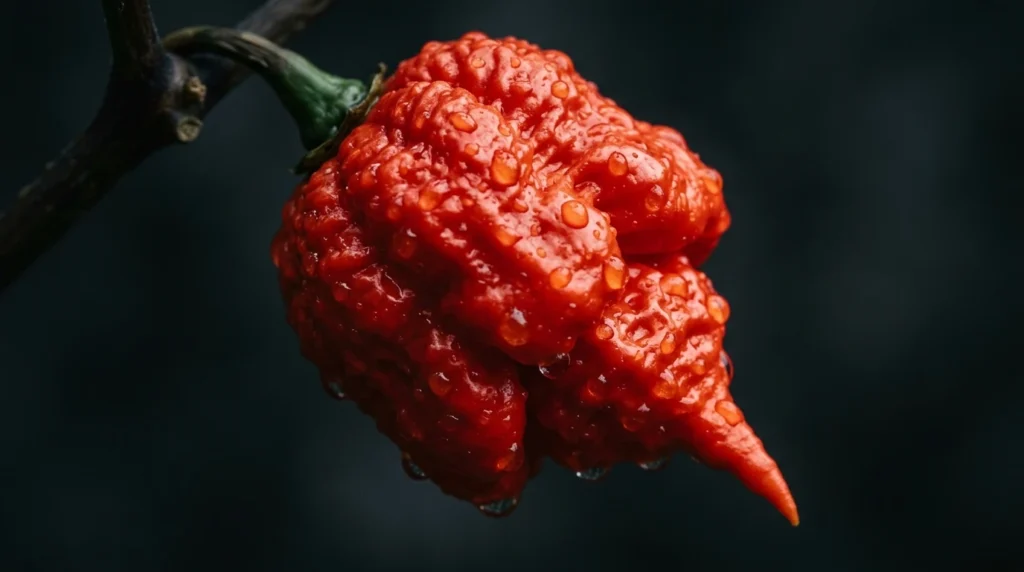
Carolina Reaper peppers average around 1.5 to 1.6 million Scoville Heat Units, with individual pods tested as high as 2.2 million, which is roughly 300 to 400 times hotter than a jalapeño. Most bottled Carolina Reaper hot sauces land far lower than that, usually somewhere between 80,000 and 90,000 SHU, because the peppers get blended with vinegar, fruit, or other ingredients before bottling.
The pepper itself was bred by Ed Currie at PuckerButt Pepper Company in South Carolina, and it held the Guinness World Record for hottest pepper from 2013 until 2023, when Currie’s own Pepper X took the title. Despite the intensity, Carolina Reapers have a fruity, almost sweet flavor underneath the burn, which is exactly why they work so well in hot sauce instead of just pepper spray. The heat comes from capsaicin, and it builds slowly rather than hitting all at once, so the worst of it usually arrives a full minute or two after your first bite.
How We Picked the Best Carolina Reaper Hot Sauce
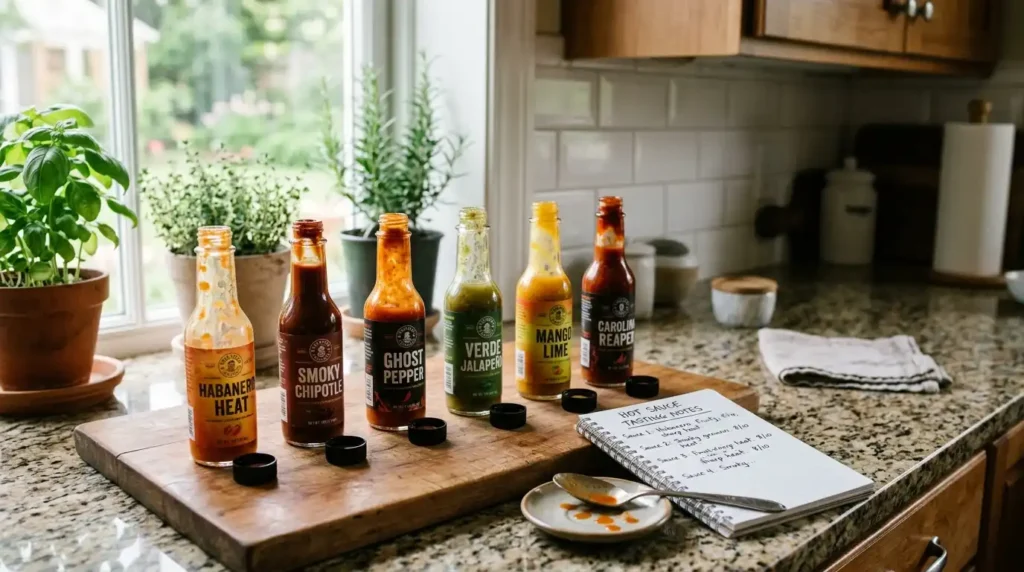
Not every bottle labeled “Carolina Reaper” deserves your money. Three things separate a sauce worth buying from one that’s just a stunt:
- Real peppers, not extract. Capsaicin extract is a cheap way to boost a heat number, and it usually leaves behind a bitter, chemical aftertaste. The sauces below lead with actual Carolina Reaper as a primary ingredient.
- Flavor that earns its place. Garlic, fruit, smoke, tang, something has to be happening besides pain. A sauce that only burns is a party trick.
- A bottle you’d reach for twice. If it lives in the back of the fridge after the first taste, it didn’t make this list.
We tested drops of each style on the foods home cooks actually reach for a hot sauce for: wings, eggs, pizza, pasta, tacos. That’s the real test of whether a Carolina Reaper hot sauce belongs in regular rotation or just in a drawer for guests to try once.
The Best Carolina Reaper Hot Sauce Bottles to Try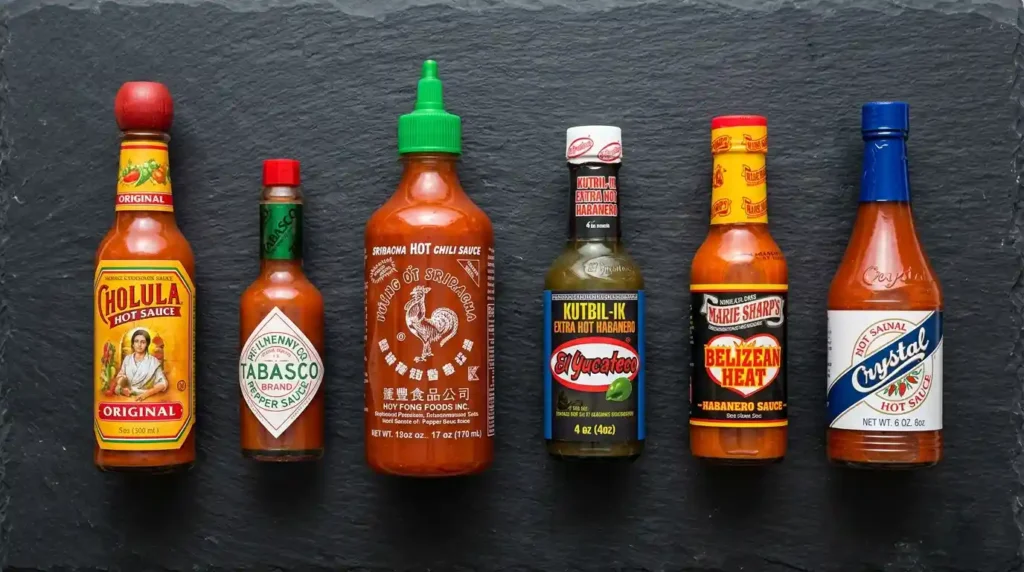
Torchbearer Garlic Reaper
This is the one most people should start with. It’s extract-free, all natural, and has shown up in Hot Ones lineups more than once, which says something about where it sits on flavor and heat together. The garlic hits first, creamy and savory, and the reaper heat follows a beat later and lingers. It pours thin, so it’s easy to drizzle over mac and cheese, pizza, or roasted vegetables without overwhelming the dish.
PuckerButt Reaper Squeezins
Straight from the source. This one comes from Ed Currie’s own company and is built almost entirely from Carolina Reaper puree with just vinegar added, so there’s nowhere for the pepper to hide. It’s bright, fruity, and tangy, and it’s meant to be used a few drops at a time, stirred into chili or rice rather than poured on top of food like a condiment. If you want to know what an unfiltered reaper actually tastes like, this is the closest you’ll get in bottle form.
Elijah’s Xtreme Regret
For people who’ve already worked through a standard reaper sauce and want to go a step further. Regret blends Carolina Reaper, Trinidad Scorpion, and habanero into one bottle, rated north of 800,000 SHU, and it manages to stay clean and pepper-forward instead of turning bitter, which is impressive at that heat level. Use it in small amounts on food you already love rather than as a base sauce.
Bravado Spice Black Garlic Carolina Reaper
The dinner-party option. Black garlic brings a deep, slightly sweet, almost molasses-like richness that rounds off the reaper’s sharp edges, so the heat feels serious without scaring off guests who aren’t chiliheads. It works well on ramen, steak, and burgers, anywhere a savory depth is welcome alongside the burn.
Hellfire Fear This!
A New York City Hot Sauce Expo winner built more like a cooked sauce than a heat bomb. The pepper mash runs over 60 percent by volume, but onion, garlic, sundried tomato, tomatillo, and ginger round it into something rich and savory rather than sharp. It’s the kind of bottle that goes on everything: tacos, eggs, fries, pizza.
Dragon’s Blood Elixir Don’t Fear the Reaper
A short, simple ingredient list: Carolina Reaper, apple cider syrup, vinegar, and sea salt. Nothing hides the pepper here, which makes it a good pick if you actually want to taste what a reaper tastes like without extra flavors competing for attention. It sells out often due to limited batches, so grab it when it’s in stock.
One Carolina Reaper Hot Sauce Worth Skipping
Da Bomb Beyond Insanity gets a mention because people search for it constantly, largely thanks to its Hot Ones appearances. It’s worth knowing that it actually sits around 135,000 Scoville, lower than a fresh habanero and nowhere near real reaper territory, but it tastes far more punishing because it’s boosted with added capsaicin flavoring rather than pepper volume. That’s the extract problem in a nutshell: a big number on the label, not much pepper flavor underneath it. If your goal is enjoying heat instead of just enduring it, skip it and spend that money on a real-pepper bottle instead.
How to Use Carolina Reaper Hot Sauce Without Ruining Dinner
A little goes further than you’d expect, especially with anything vinegar-based and pepper-forward like these. A few practical rules:
- Start with drops, not a pour. Even sauces diluted to 80,000 SHU are still dramatically hotter than a standard hot sauce sitting around 2,000 to 5,000 SHU.
- Pair it with fat and dairy. Cheese, sour cream, and creamy sauces cool the burn far better than water, which just spreads capsaicin around your mouth instead of neutralizing it.
- Match the sauce to the dish. Garlic-forward bottles suit pasta and pizza, savory blends suit tacos and eggs, and fruit-forward ones work well brushed onto grilled meat.
- Keep it refrigerated after opening. Most reaper sauces hold their heat and flavor for months in the fridge, but flavor does fade slowly over time, so don’t let a bottle sit open for a year before finishing it.
Real Carolina Reaper Hot Sauce vs Extract-Based “Hot” Sauce
This is the distinction that matters most when you’re shopping, and it’s also the one label detail most people skip past. Check the ingredient list before the Scoville number. A sauce with Carolina Reaper (or reaper mash, reaper puree, reaper powder) listed in the first two or three ingredients is a real-pepper sauce. A sauce that lists water, vinegar, and “natural flavors” or capsaicin extract near the top, with peppers buried further down, is leaning on chemistry to hit its heat number.
Both can technically call themselves “Carolina Reaper hot sauce” if reaper appears anywhere on the label, which is exactly how a lot of gimmick bottles get away with the name. Real-pepper sauces tend to carry the fruity, slightly sweet undertone that makes reapers distinct from a ghost pepper or Trinidad Scorpion, while extract-heavy sauces tend to taste flatter and more chemical no matter how hot they are.
How hot is Carolina Reaper hot sauce?
Pure Carolina Reaper peppers average 1.5 to 1.6 million Scoville Heat Units, but bottled hot sauces are diluted with vinegar and other ingredients, so most finished sauces land closer to 80,000 to 90,000 SHU. That’s still roughly 15 to 20 times hotter than a standard buffalo-style hot sauce.
Is Carolina Reaper hot sauce safe to eat?
For most healthy adults, yes, in small amounts. The main risks are gastrointestinal discomfort, temporary skin or eye irritation from splashes, and a rough time if you’re not used to capsaicin. People with acid reflux, ulcers, or heart conditions should check with a doctor before eating superhot peppers, and it’s smart for anyone to start with a single drop rather than a full serving the first time.
What does Carolina Reaper hot sauce taste like?
Underneath the heat, Carolina Reapers have a fruity, almost sweet flavor that’s closer to a mango or berry than you’d expect from something this hot. Real-pepper sauces carry that fruitiness through, while extract-heavy sauces tend to taste more bitter and one-dimensional.
How should I store Carolina Reaper hot sauce?
Keep it refrigerated after opening, tightly sealed, and away from direct sunlight. Most vinegar-based reaper sauces last several months to a year in the fridge without losing much heat, though flavor can mellow slightly the longer a bottle sits open.
If you’re building out a hot sauce collection, a genuine Carolina Reaper bottle earns its spot for the days you actually want a challenge with your food, not just the days you want a story to tell about your food. Start with one of the flavor-forward picks above, keep the dairy nearby, and work your way up from there.