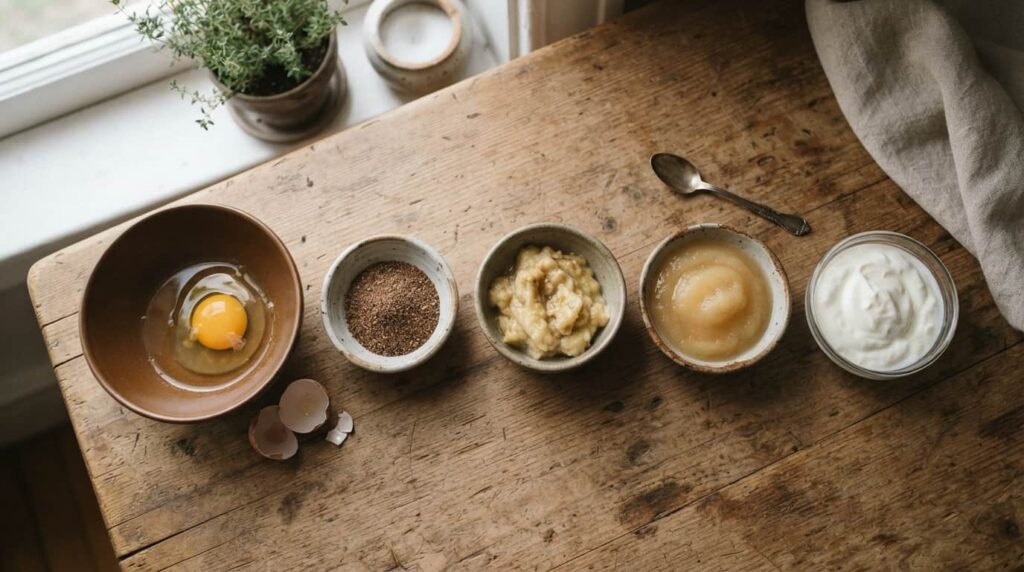

Best Egg Substitute in Baking: Full Guide (2026)
Ran out of eggs mid-recipe, or baking for someone with an allergy? The best egg substitute in baking depends on what the egg is actually doing in that recipe, whether it’s binding, adding moisture, or helping things rise. I’ve tested most of these swaps in my own kitchen, and the short answer is this: for light, fluffy bakes like cakes and muffins, a flax egg or a mix of baking powder, water, and oil works best. For dense, moist bakes like brownies and banana bread, applesauce or mashed banana wins every time.
That answer only gets you halfway there, though. Pick the wrong substitute for the wrong job and you’ll end up with a gummy loaf or a muffin that never rises. Below is a full breakdown of what eggs actually do in baking, the exact ratios for each substitute, and which one to reach for depending on what’s in your mixing bowl.
Why Eggs Matter So Much in Baking

Before swapping anything out, it helps to know what you’re replacing. Eggs pull triple duty in most baked goods: they act as a binder that helps ingredients hold together, and they help the batter rise as it bakes. On top of that, they add moisture, richness, and a bit of structure that keeps cakes and quick breads from collapsing.
This is exactly why there’s no single universal egg substitute in baking. A flax egg is a fantastic binder but does nothing for rise. Carbonated water adds lift but won’t hold a dense batter together. Once you know which job the egg is doing in your specific recipe, picking the right stand-in gets a lot easier.
Quick Answer: What’s the Best Egg Substitute in Baking?
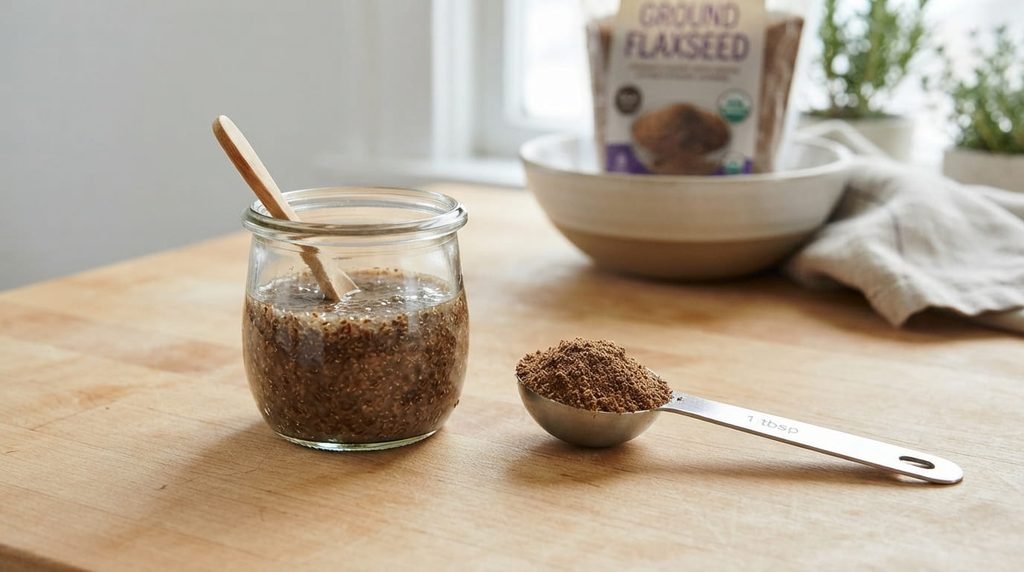
For most home bakers, a flax egg (1 tablespoon ground flaxseed plus 3 tablespoons water) is the most reliable all-purpose egg substitute in baking, since it’s cheap, shelf-stable, and works in nearly any recipe that calls for one or two eggs. If you want the closest match to a real egg’s texture and rise, a mix of 2 tablespoons water, 2 teaspoons baking powder, and 1 teaspoon oil is the closest most home tests have come, producing muffins with barely any difference in taste or structure compared to the real thing.
The Best Egg Substitutes for Baking, Ranked by Use
Here’s how the most common substitutes stack up, based on what they’re actually good at.
Flax Egg (Best All-Purpose Binder)
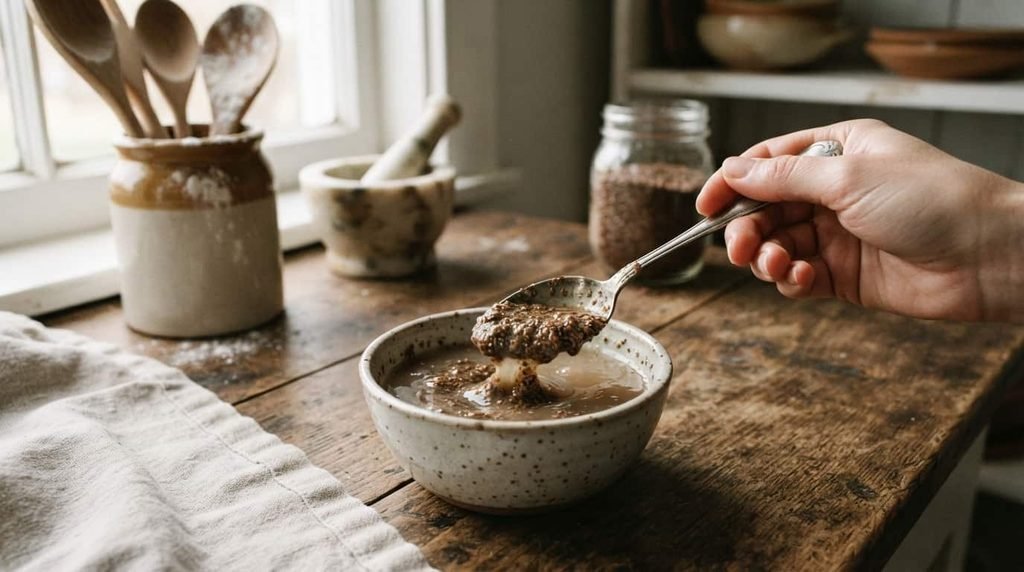
Mix 1 tablespoon of ground flaxseed with 3 tablespoons of water and let it sit for about 5 to 10 minutes until it turns gel-like. This is the classic vegan egg substitute in baking, and it works because <cite index=”1-1″>ground flaxseed does not provide a leavening effect on baked goods but is best used as a binder</cite>. Expect a slightly denser crumb and a mild nutty flavor, which is barely noticeable in chocolate or spiced bakes but can show up in a plain vanilla cake.
Best in: cookies, breads, pancakes, and dense quick breads.
Chia Egg (Similar to Flax, Slightly Different Texture)
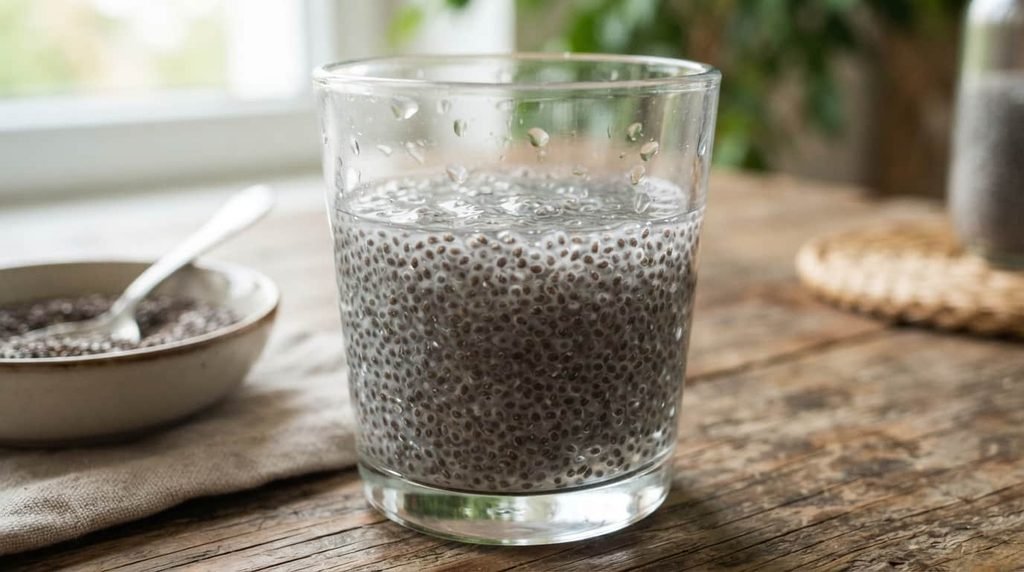
Same ratio as a flax egg: 1 tablespoon of chia seeds (whole or ground) plus 3 tablespoons of water, rested until it gels. Chia seeds don’t add much flavor, but whole chia seeds do add a bit of crunch and speckled texture, similar to poppy seeds. If you want a smoother finish, grind the chia seeds first.
Best in: muffins, pancakes, and bars where a little texture isn’t a problem.
Applesauce (Best for Moist, Dense Bakes)

Swap in 1/4 cup of unsweetened applesauce per egg. It’s one of the most popular fruit-based swaps because it’s already in most pantries, and it makes baked goods noticeably moist, though the tops won’t crisp up quite as much during baking. Because applesauce adds sweetness and moisture, cutting back the recipe’s added sugar or other liquid by a tablespoon or two helps keep the texture from turning gummy.
Best in: banana bread, spice cake, brownies, and muffins.
Mashed Banana (Adds Moisture and Sweetness)

Use 1/4 cup of mashed ripe banana, about half a medium banana, per egg. Like applesauce, it’s a moisture-focused swap rather than a binder or leavener, and it comes with a noticeable banana flavor that works well in banana bread but can clash with a plain vanilla or citrus cake. Because of banana’s natural starch, the finished texture can lean slightly gummy compared to using egg.
Best in: banana bread, muffins, and pancakes.
Yogurt or Buttermilk (Reliable Moisture Booster)
Use 1/4 cup of plain yogurt (dairy or non-dairy) or buttermilk per egg. It adds moisture and a light tang without a strong flavor takeover, which makes it one of the more neutral substitutes on this list. A thicker Greek yogurt will give a slightly denser result than a thinner regular yogurt, so keep that in mind if your batter already feels thick.
Best in: cakes, muffins, and quick breads.
Baking Powder, Water, and Oil (Best for Light, Fluffy Texture)
Combine 2 tablespoons of water, 2 teaspoons of baking powder, and 1 teaspoon of vegetable oil per egg. In head-to-head muffin tests, this combination produced results that were light and airy with almost no noticeable difference in taste and structure from the egg version, aside from slightly darker, crisper tops. This is the go-to when you want a fluffy result without leaning on fruit purees.
Best in: cakes, cupcakes, and pancakes.
Carbonated Water (Surprisingly Effective for Lift)
Swap in 1/4 cup of carbonated water (plain seltzer or club soda) per egg. It sounds unlikely, but the bubbles genuinely help baked goods rise, and taste tests have found muffins made this way nearly indistinguishable from the egg version, with a moist, tender crumb and a crisp top. Because it has no flavor of its own, it’s one of the most neutral egg substitutes in baking you can use.
Best in: cakes, quick breads, and any light-textured bake.
Aquafaba (Best for Whipped, Airy Recipes)
Use 3 tablespoons of aquafaba, the liquid from a can of chickpeas, per egg. Its protein and starch content lets it foam and gelatinize similarly to egg whites, which is why it shines in recipes that need whipping rather than straightforward mixing. In plain muffin tests it tends to turn out chewy and dry, so it’s not the first choice for everyday cakes, but it’s genuinely excellent where whipped egg whites are the whole point of the recipe.
Best in: meringues, macarons, marshmallows, and mousse.
Nut Butter (Adds Richness and Binding)
Use 3 tablespoons of creamy nut butter (peanut, almond, or cashew) per egg. This works well as a binder and adds richness, but it comes with a noticeable nut flavor, so it’s best saved for recipes where that flavor is welcome. Stick to creamy, not crunchy, nut butter so it blends smoothly into the batter.
Best in: brownies, cookies, and other dense, chocolatey bakes.
Egg Substitute in Baking: Ratio Cheat Sheet
| Substitute | Amount per 1 Egg | Best For |
|---|---|---|
| Flax egg | 1 tbsp ground flaxseed + 3 tbsp water | Binding, dense bakes |
| Chia egg | 1 tbsp chia seeds + 3 tbsp water | Binding, muffins |
| Applesauce | 1/4 cup unsweetened | Moist cakes, brownies |
| Mashed banana | 1/4 cup | Banana bread, muffins |
| Yogurt or buttermilk | 1/4 cup | Cakes, quick breads |
| Baking powder, water, oil | 2 tsp powder + 2 tbsp water + 1 tsp oil | Light, fluffy cakes |
| Carbonated water | 1/4 cup | Airy, light-textured bakes |
| Aquafaba | 3 tbsp | Meringues, whipped recipes |
| Nut butter | 3 tbsp | Brownies, cookies |
How to Choose the Right Egg Substitute for Your Recipe
The fastest way to pick correctly is to ask what the egg is doing in that specific recipe. If a recipe calls for more than two eggs, or it’s something like angel food cake or a soufflé that leans almost entirely on eggs for structure, substitutions get a lot less reliable and results can vary widely.
- Need a binder? Reach for a flax egg, chia egg, or nut butter.
- Need moisture? Applesauce, mashed banana, or yogurt will do the job.
- Need leavening or lift? Baking powder with water and oil, or carbonated water, works best.
- Need volume and airiness? Aquafaba is the only real option for whipped textures like meringue.
One more thing worth knowing before you commit to a swap: recipes that rely on just one or two eggs are the most forgiving, while recipes with three or more eggs tend to need a real egg for the structure to hold.
Frequently Asked Questions
What is the best egg substitute for cake?
It depends on the type of cake. Carbonated water keeps cake moist and light without adding flavor, while applesauce or mashed banana works better in denser cakes or ones that already have a fruity flavor profile.
How much egg substitute equals one egg?
Most substitutes use a 1/4 cup measurement to match one large egg, since a large egg is roughly 1/4 cup in volume. Flax and chia eggs are the exception, using 1 tablespoon of the seed plus 3 tablespoons of water instead.
Does an egg substitute change the taste of baked goods?
Some do and some don’t. Banana and applesauce both add noticeable sweetness and a mild fruit flavor, while flax and chia add a subtle nuttiness. Carbonated water and the baking powder mixture are the most neutral options if you want the original flavor to come through untouched.
Can I substitute eggs in any baking recipe?
Most recipes calling for one or two eggs can be substituted successfully. Recipes that lean heavily on eggs for structure, like angel food cake, soufflés, or custards, are much harder to substitute and results can be inconsistent.
What’s the cheapest egg substitute for baking?
Baking staples you likely already own, like applesauce, mashed banana, or the baking powder and water combination, tend to be the most budget-friendly, especially useful if egg prices have spiked at your local grocery store.
Whichever substitute you land on, the best way to know it works is to test it in a recipe you already trust. Start with something forgiving, like muffins or quick bread, before trying it in a cake you’re serving to guests.