Egg Substitute for Cake: The Best Swaps for Every Bake
Ran out of eggs mid-recipe, or baking for someone with an allergy? An egg substitute for cake can absolutely save your batter, and in most cases you already have a fix sitting in your pantry or fridge. The trick is matching the right substitute to what your cake actually needs, because eggs do more than one job, and no single swap replaces all of them perfectly. Here’s how to pick the right one, get the ratio right, and end up with a cake that still rises, holds together, and tastes the way it should.
What Is the Best Egg Substitute for Cake?
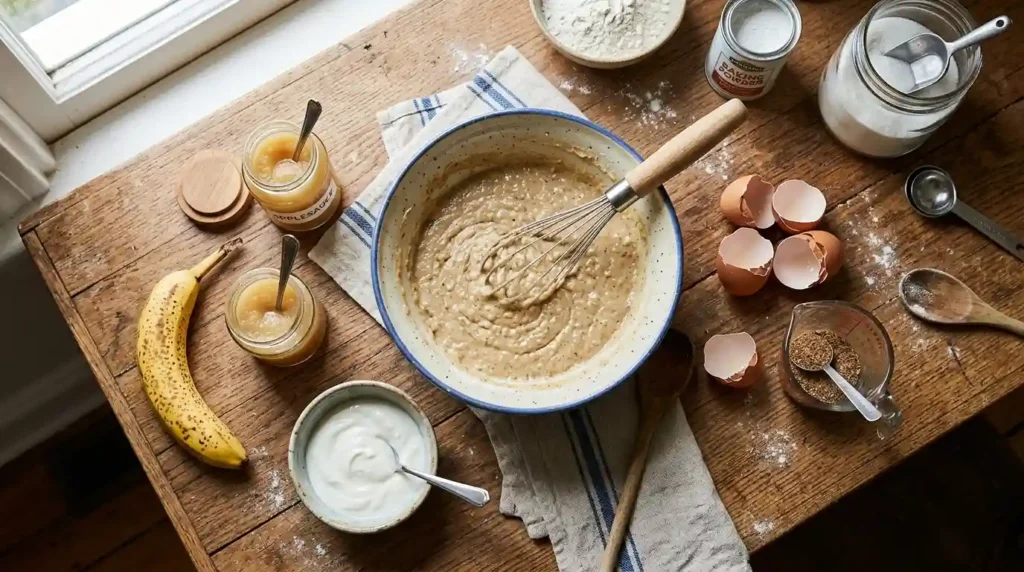
For most cake recipes, the best all-around egg substitute is unsweetened applesauce or mashed banana, using 1/4 cup per egg. Both add moisture and help bind the batter without needing any special equipment. If you want a substitute with almost no flavor of its own, plain yogurt or silken tofu (also 1/4 cup per egg) works nearly as well. For the lightest, fluffiest texture, a mix of baking powder, oil, and water gives cakes lift that fruit-based swaps can’t quite match on their own.
Why Eggs Matter in a Cake Recipe
Before picking a substitute, it helps to know what you’re replacing. Eggs in cake do three jobs at once, which is exactly why swapping them out isn’t as simple as leaving them out.
- Binding. Egg proteins set as the cake bakes, holding the crumb together so it doesn’t fall apart when sliced.
- Moisture and fat. Eggs add richness and keep the finished cake from drying out.
- Leavening. As eggs heat up, they trap air and expand, giving the cake some of its rise and fluffiness.
Most egg substitutes are strong at one or two of these roles but weak at the third, which is why the substitute you choose should depend on which job matters most for your specific recipe. A dense chocolate cake can lean on a substitute that’s mostly about moisture. A delicate white or sponge cake needs help with lift too.
9 Best Egg Substitutes for Cake
Here are the swaps home bakers reach for most often, along with how much to use and where each one shines.
Mashed Banana
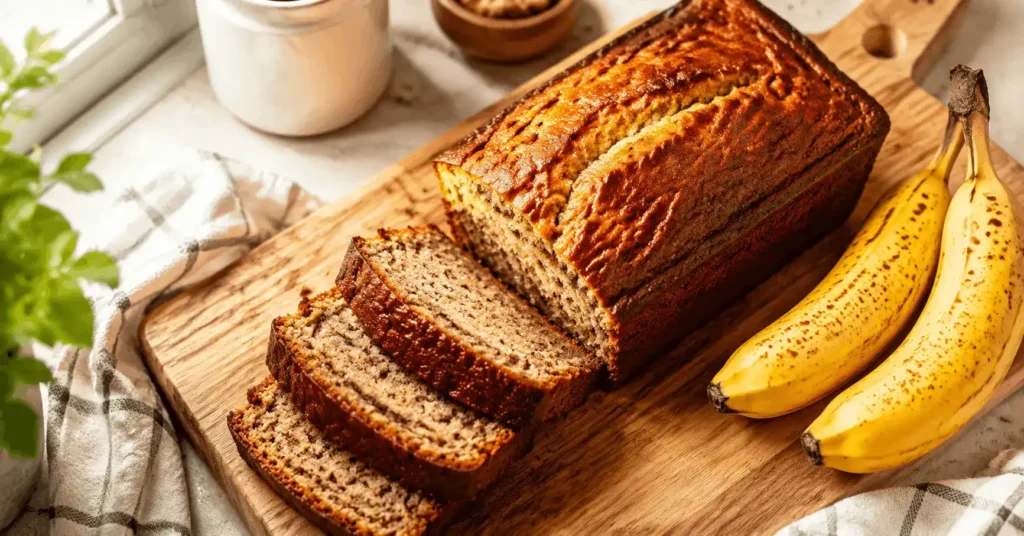
Use 1/4 cup of very ripe, mashed banana per egg. It adds moisture, a touch of sweetness, and a mild banana flavor, so it works best in chocolate, spice, or banana-forward cakes rather than delicate vanilla or white cakes where you don’t want the flavor to show.
Unsweetened Applesauce
Swap in 1/4 cup of applesauce per egg. It’s nearly flavor-neutral, keeps cakes moist, and is one of the most forgiving substitutes for a beginner. Stick to no more than two eggs’ worth in one recipe, or the crumb can turn gummy.
Plain Yogurt or Buttermilk
Use 1/4 cup of plain yogurt or buttermilk per egg. Both add tang, richness, and moisture, and they pair especially well with recipes that already include baking soda, since the acidity helps activate it for extra lift.
Flax Egg
Stir 1 tablespoon of ground flaxseed with 3 tablespoons of water and let it sit for a few minutes until it thickens into a gel. This is one of the best egg substitutes for cake when binding matters most, though it has a faint nutty flavor and doesn’t add much lift on its own.
Chia Egg
Made the same way as a flax egg (1 tablespoon of chia seeds plus 3 tablespoons of water), this version works well for one or two eggs in a recipe. It’s a solid binder with a nutritional bonus, though texture can turn slightly gelatinous if you use it for more eggs than that.
Aquafaba
The liquid from a can of chickpeas, aquafaba, replaces one egg with about 3 tablespoons. Whip it and it turns fluffy and light, closer to whipped egg whites than any other substitute here, which makes it a favorite for vegan sponge cakes and anything that needs real lift.
Silken Tofu
Puree 1/4 cup of silken tofu until completely smooth and use it in place of one egg. It’s neutral in flavor and adds moisture without sweetness, making it a good pick for denser cakes like pound cake, where you want structure more than rise.
Baking Soda and Vinegar
Combine 1 teaspoon of baking soda with 1 tablespoon of white vinegar per egg. This reaction creates bubbles that lift the batter, so it’s best for light, fluffy cakes. It doesn’t bind anything, though, so pair it with a second substitute like applesauce or mashed fruit if your recipe calls for more than one egg.
Commercial Egg Replacer
Store-bought egg replacer powders (mixed with water per the package directions) are built specifically to balance binding, moisture, and leavening all at once. They’re a convenient, consistent option if you bake eggless cakes often enough to justify keeping a box on hand.
How to Choose the Right Egg Substitute for Your Cake
Matching the substitute to the cake matters more than picking whichever one sounds easiest. Use this as a quick guide:
- Want a neutral flavor? Reach for applesauce, plain yogurt, or silken tofu.
- Need extra lift for a light or fluffy cake? Combine a flax egg with baking soda and vinegar, or use aquafaba.
- Baking a dense cake, like pound cake or brownies? Silken tofu or nut butter adds structure without extra air.
- Substituting more than one egg? Mix two different methods rather than doubling a single one. For example, use applesauce for one egg and a flax egg for the second.
- Trying to keep sugar in check? Skip banana and applesauce, since both add natural sweetness, and use yogurt or tofu instead.
How Many Eggs Can You Substitute in a Cake Recipe?
Most substitutes work reliably when you’re replacing one to two eggs. Once a recipe calls for three or more, a single substitute usually can’t keep up, and the cake risks turning dense, gummy, or falling in the middle. If you’re short more than two eggs, combine two different substitutes (a binder like applesauce plus a leavening boost like baking soda and vinegar) or add a little extra baking powder to help make up for the lost lift. Recipes that lean heavily on eggs for structure, like angel food cake, pound cake, or a classic sponge, are the hardest to substitute successfully and generally aren’t good candidates for a full egg-free swap.
Egg Substitute for Boxed Cake Mix vs. Homemade Cake
The ratios above work for both, but boxed mixes tend to be a little more forgiving since the dry ingredients are already balanced for you. For a box mix, stick to one substitute for up to two eggs and stay close to the 1/4 cup measurement per egg. Carbonated water or seltzer is worth trying with boxed mixes specifically, since 1/4 cup can replace an egg while also adding a bit of lift, and many bakers use it alongside the oil the box already calls for.
Homemade cake recipes are more sensitive to substitution because the flour, sugar, and fat ratios were built around what real eggs contribute. If a homemade recipe calls for whipped egg whites for structure, such as in a sponge or angel food cake, aquafaba is your closest option, but be ready for a slightly different rise than the original. When a homemade recipe separates yolks from whites, replace the yolk portion with a small spoonful of a neutral fat-based substitute like silken tofu, and use aquafaba for the whipped white portion.
Common Mistakes to Avoid When Substituting Eggs in Cake
A few small errors account for most eggless baking disappointments, and they’re easy to sidestep once you know what to watch for.
- Overmeasuring. More applesauce or yogurt than the recipe calls for doesn’t make a moister cake, it makes a gummy one. Stick to the 1/4 cup per egg guideline.
- Ignoring the recipe’s leavening. If your original recipe was already light on baking powder or baking soda, a substitute with no lift (like applesauce or a flax egg) can leave you with a flat cake. Add an extra 1/4 teaspoon of baking powder to compensate when needed.
- Skipping a test bake. If the cake is for a birthday or event, do a trial run first. Small batches bake quickly and let you adjust before it counts.
- Using one substitute for three or more eggs. As covered above, this is where most eggless cakes fail. Split the substitution across two methods instead.
- Forgetting the flavor trade-off. Banana and applesauce both bring their own taste to the party. Fine for chocolate or spice cakes, but worth avoiding in delicate vanilla or white cake recipes where you want a clean flavor.
Can you make a cake with no eggs at all?
Yes. Most cake recipes calling for one to two eggs can be made egg-free using a substitute like applesauce, mashed banana, or a flax egg. Recipes with three or more eggs are trickier and usually turn out best with a combination of two substitutes rather than one.
Will an egg substitute change the flavor or texture of my cake?
It depends on which one you use. Banana, yogurt, and applesauce all add a little flavor and extra moisture, while silken tofu and aquafaba stay close to neutral. Texture-wise, substitutes tend to make cakes slightly denser than eggs would, though the difference is usually mild when you stick to the recommended ratios.
What’s the best egg substitute for chocolate cake versus vanilla cake?
Chocolate cake hides added flavor well, so banana or applesauce work great there. Vanilla or white cake shows off flavor more, so a neutral option like plain yogurt, silken tofu, or a commercial egg replacer is usually the safer choice.
What if I don’t have enough eggs for my cake recipe?
Use whatever eggs you have on hand, then fill in the rest with a substitute like applesauce, banana, or yogurt for the eggs you’re missing. This keeps the flavor closer to the original recipe than substituting every egg would.