Can You Paint Aluminum Siding? Yes, Here’s How to Do It Right
If you’re staring at chalky, faded siding and wondering can you paint aluminum siding, the short answer is yes. Aluminum takes paint better than most siding materials, and a proper paint job can buy your home another 10 to 15 years of curb appeal without the cost of a full replacement. The catch is that aluminum has a few quirks, like chalking and a slick factory finish, that make prep the part you can’t skip.
Can You Paint Aluminum Siding? The Quick Answer
Yes, you can paint aluminum siding, and in most cases you should once the original finish starts to fade or chalk. Aluminum bonds well with modern acrylic paints, holds color longer than many homeowners expect, and costs a fraction of what a full siding replacement runs. The main requirements are a thorough cleaning, light sanding, and the right primer if any bare metal is showing.
Signs Your Siding Is Ready for Paint
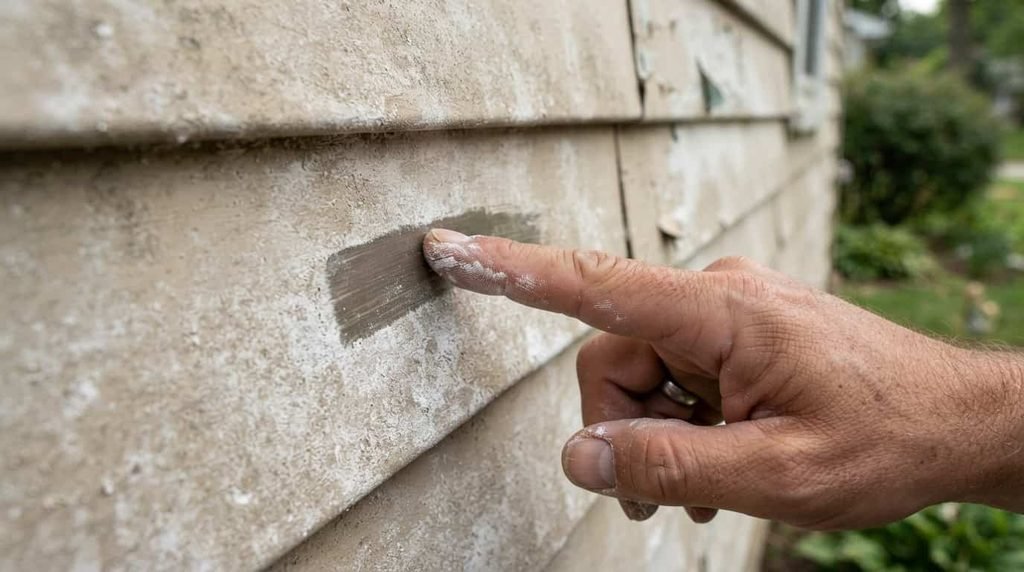
Aluminum siding doesn’t fail the way wood or vinyl does. It usually just looks tired. Here’s what to check for:
- Chalking: rub a finger across the surface. If it comes away with a white, powdery residue, the factory finish is breaking down.
- Fading or dull color: sun exposure flattens the original tone over years, and no amount of washing brings it back.
- Small dents or scratches: cosmetic damage that paint can help disguise once it’s filled and smoothed.
- Exposed metal: bare spots where the original coating has worn through completely.
If your siding shows any of these but is otherwise structurally sound, painting is almost always worth it. If you’re seeing large-scale corrosion, buckling panels, or widespread rust, that’s a different conversation, and replacement may make more sense.
Painting vs. Replacing Aluminum Siding
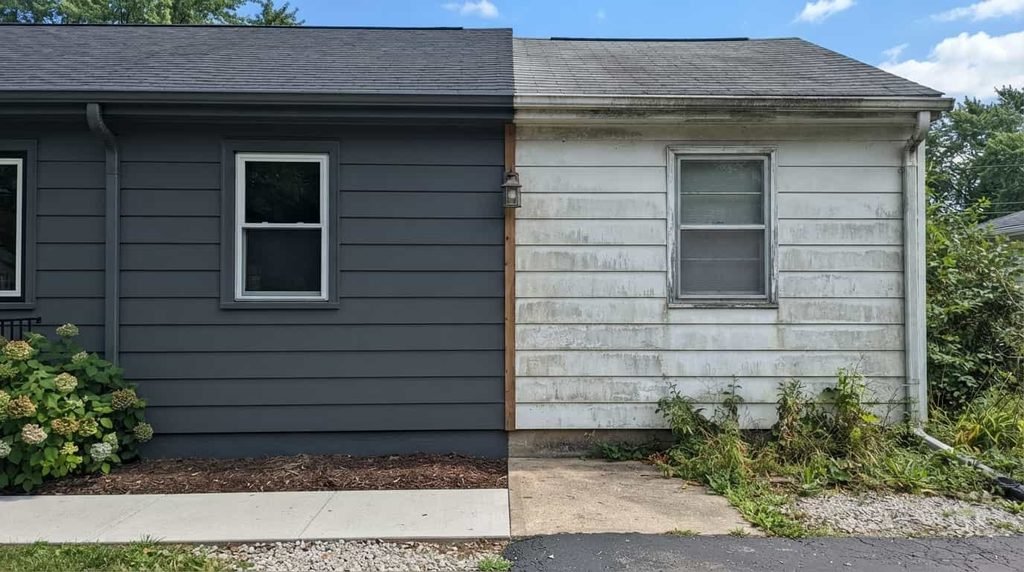
This is the fork in the road most homeowners hit before they pick up a brush. Painting is cheaper and faster, but it’s not permanent. Replacement costs more upfront but resets the clock for decades.
| Factor | Painting | Replacing |
|---|---|---|
| Typical cost | $1.50 to $4.50 per sq. ft. | $6 to $12+ per sq. ft. |
| How long it lasts | 5 to 15 years, depending on prep and paint quality | 30 to 50 years |
| Time to complete | A few days to a week | Days to weeks, contractor dependent |
| Best for | Siding that’s faded or chalky but structurally sound | Siding that’s dented, corroded, or outdated |
If your siding is intact and the only issue is appearance, painting is the practical move. Save replacement for siding that’s actually failing.
What You’ll Need Before You Start
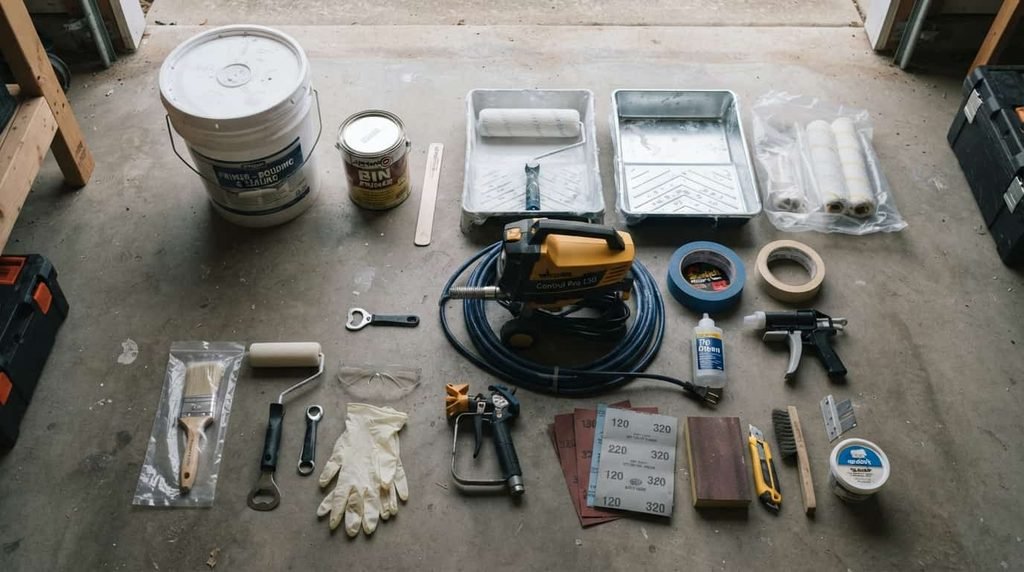
Gathering the right supplies ahead of time saves a lot of frustration mid-project:
- Pressure washer or garden hose with a scrub brush
- TSP (trisodium phosphate) or a comparable siding cleaner
- 80 to 120 grit sandpaper or a sanding sponge
- Auto-body filler for dents (optional)
- Bonding or self-etching metal primer
- 100% acrylic exterior paint
- Paint sprayer, roller, and an angled brush for trim and corners
- Drop cloths, painter’s tape, ladder, and safety glasses
How to Paint Aluminum Siding, Step by Step
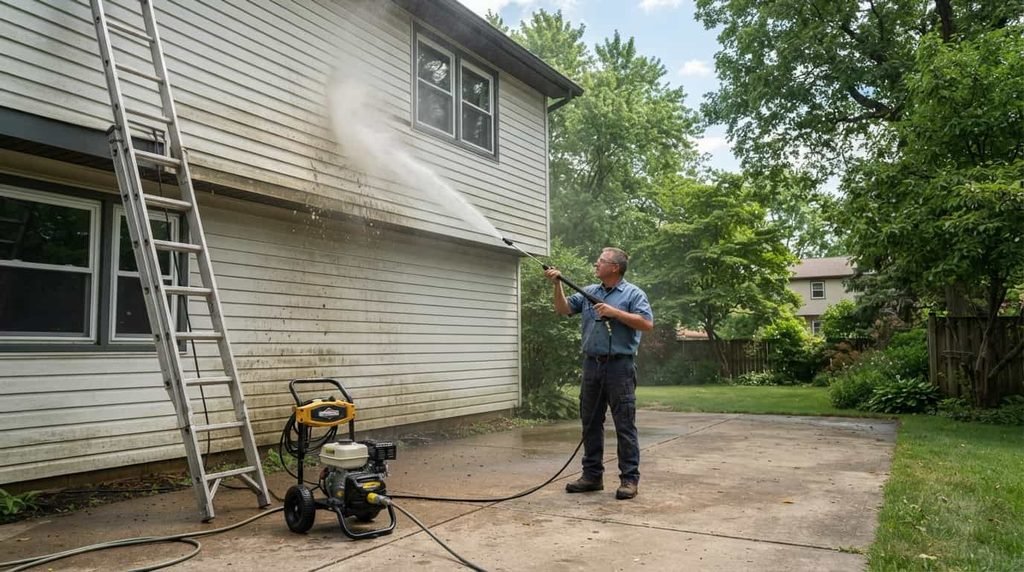
Once you’ve got your supplies together, the process itself isn’t complicated. It just rewards patience.
1. Inspect and repair
Walk the exterior and note any dents, holes, or loose panels. Fill small dents with auto-body filler and let it cure before sanding smooth. If your home was built before the 1970s, it’s worth testing old paint layers for lead before you start disturbing them.
2. Clean thoroughly
Mix a TSP solution and either hand-scrub with an abrasive sponge or run a pressure washer over the siding. This step removes the chalky residue that would otherwise keep new paint from sticking. Rinse well and let everything dry completely, which can take a full day depending on humidity.
3. Sand lightly
A light pass with 80 to 120 grit sandpaper knocks down any remaining chalk and gives the primer something to grip. You’re not trying to strip the finish, just dull the surface enough for good adhesion.
4. Prime where needed
If any bare aluminum is showing, spot-prime it with a self-etching or bonding primer made for metal. If the existing factory finish is intact and you’re simply refreshing the color, many painters skip a full primer coat and go straight to paint, though a light coat never hurts on older or heavily chalked siding.
5. Paint in two thin coats
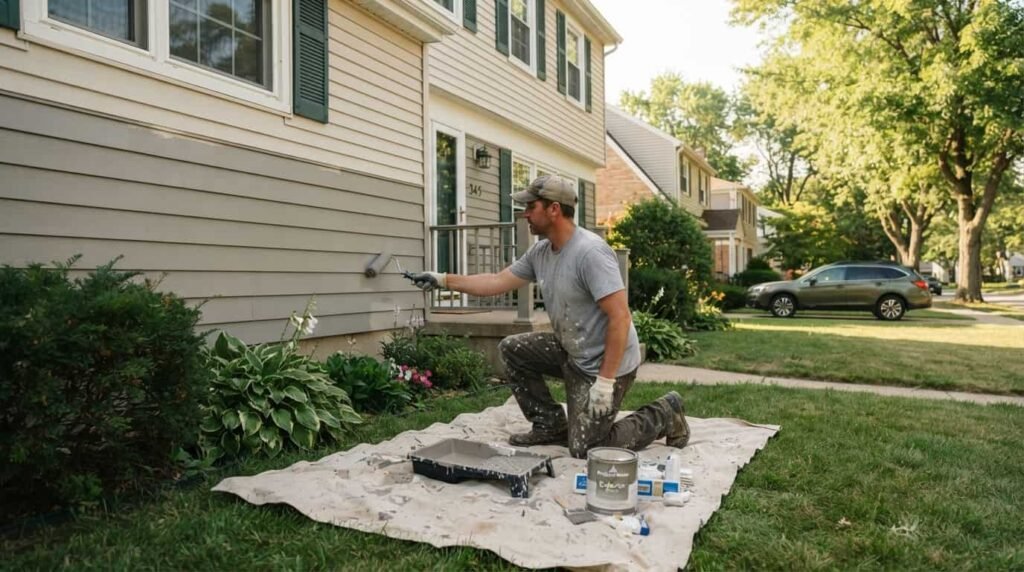
Apply a 100% acrylic exterior paint with a sprayer for the smoothest finish, or use a roller for the flat panels and a brush to cut in around windows, doors, and corners. Two thin coats hold up far better than one heavy one, and each coat needs to dry fully before the next goes on.
6. Let it cure
Give the final coat a few days to cure before judging the result or exposing it to heavy rain. Avoid painting in direct sun, high heat, or when temperatures are expected to dip near freezing overnight.
Choosing the Best Paint for Aluminum Siding
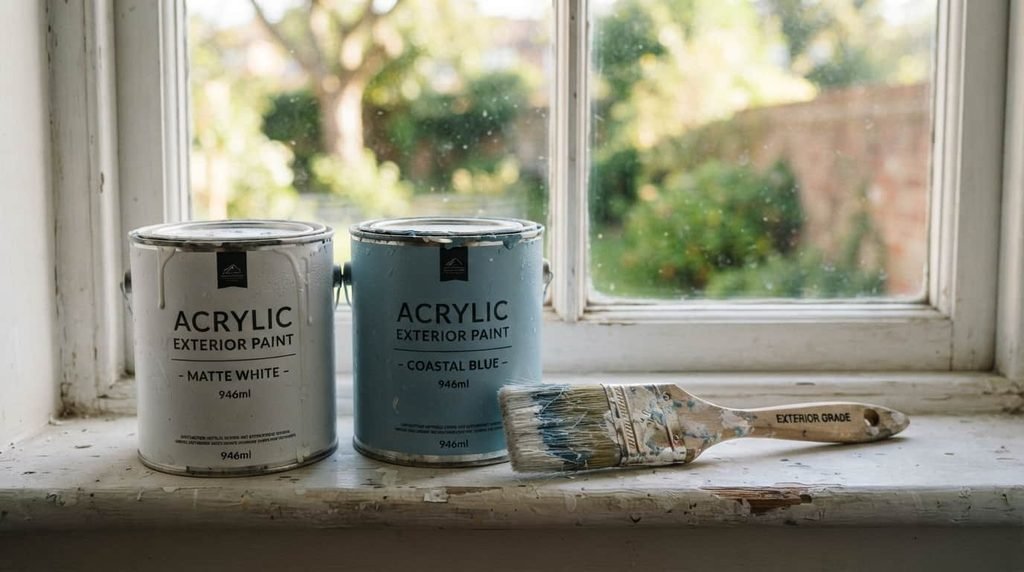
The paint you choose matters more than almost any other decision in this project. Aluminum expands and contracts with temperature swings, so the coating needs to flex without cracking.
100% acrylic latex paint is the standard recommendation among painters and siding pros. It resists peeling, flexes with the metal, and holds color well over years of sun exposure. Oil-based paints were once common on aluminum but have fallen out of favor since they’re more rigid and prone to cracking as the metal moves.
On the primer question, opinions vary a bit. Most painters agree primer is necessary anywhere bare metal is exposed, but if you’re painting over an intact factory finish, some premium acrylics are formulated to skip a separate primer step entirely. When in doubt, spot-test an inconspicuous area first, and always check the specific product’s label since formulations differ between brands.
For finish, satin or eggshell is the sweet spot for exteriors. It’s more washable than flat paint but doesn’t show every ripple in the siding the way gloss can.
Best Colors for Painted Aluminum Siding
One perk of painting over factory-finished aluminum is that you’re no longer limited to whatever shades the original manufacturer offered. A few directions tend to hold up well and photograph nicely on real homes:
- Warm neutrals like greige, taupe, or soft beige, which read as timeless and won’t fight with brick, stone, or landscaping.
- Deep earth tones such as olive or terracotta, which soften a home into its surroundings rather than standing out against it.
- Confident darks like charcoal or navy, which aluminum can handle without the warping risk that keeps some homeowners away from dark colors on vinyl.
- Crisp trim contrast, since white or black trim against a colored body tends to sharpen the whole exterior far more than color choice alone.
Before committing to a full house, buy a sample can and paint a poster board or a small hidden section. Colors shift noticeably in direct sun versus shade, and it’s a lot cheaper to catch that on a test patch than after two coats are on the whole house.
How Much Does It Cost to Paint Aluminum Siding?
For a typical home, painting aluminum siding runs somewhere between $1.50 and $4.50 per square foot, which usually works out to $3,000 to $8,000 total depending on the size of the house, the condition of the existing siding, and whether you hire it out.
Going the DIY route can bring that down to $800 to $2,000 in materials for an average-sized home, though you’ll be putting in the labor yourself over several days. Hiring a professional painter costs more but typically includes proper equipment, insurance, and a faster turnaround, which matters if ladders and sprayers aren’t something you want to deal with.
DIY or Hire a Pro?
If your siding is in reasonably good shape and you’re comfortable on a ladder, painting aluminum siding is one of the more approachable exterior DIY projects. It doesn’t require specialized skills, just careful prep and patience between coats.
That said, a two-story home, heavily chalked or damaged siding, or a tight timeline are all good reasons to call in a professional. A pro brings spray equipment that gives a smoother finish than most homeowners can match with a roller, and they’ll usually stand behind the work with a warranty.
Frequently Asked Questions
Do you need to sand aluminum siding before painting?
Yes, a light pass with fine sandpaper helps remove leftover chalking and gives the primer or paint something to grip. Skipping this step is one of the most common reasons paint peels prematurely on aluminum.
Can you paint over old paint on aluminum siding?
Yes, as long as the existing paint is stable and not peeling or flaking. Clean and lightly sand the surface first, then apply your new coats directly over the old finish.
How long does paint last on aluminum siding?
Most paint jobs on aluminum siding last 5 to 15 years, depending on the climate, sun exposure, and how well the surface was prepped before painting. Homes in mild climates with less UV exposure tend to land at the longer end of that range.
Is it cheaper to paint or replace aluminum siding?
Painting is almost always cheaper upfront, often 50 to 70 percent less than a full replacement. Replacement costs more initially but lasts far longer, so the better financial choice depends on how many more paint cycles your existing siding has left in it.
Aluminum siding rewards a little patience. Clean it well, prime where it’s bare, and stick with a quality acrylic paint, and you’ll get years of fresh curb appeal out of a weekend project. If your home’s exterior is due for a refresh, this is one of the few upgrades that pays for itself in how much better the whole house looks from the curb.