
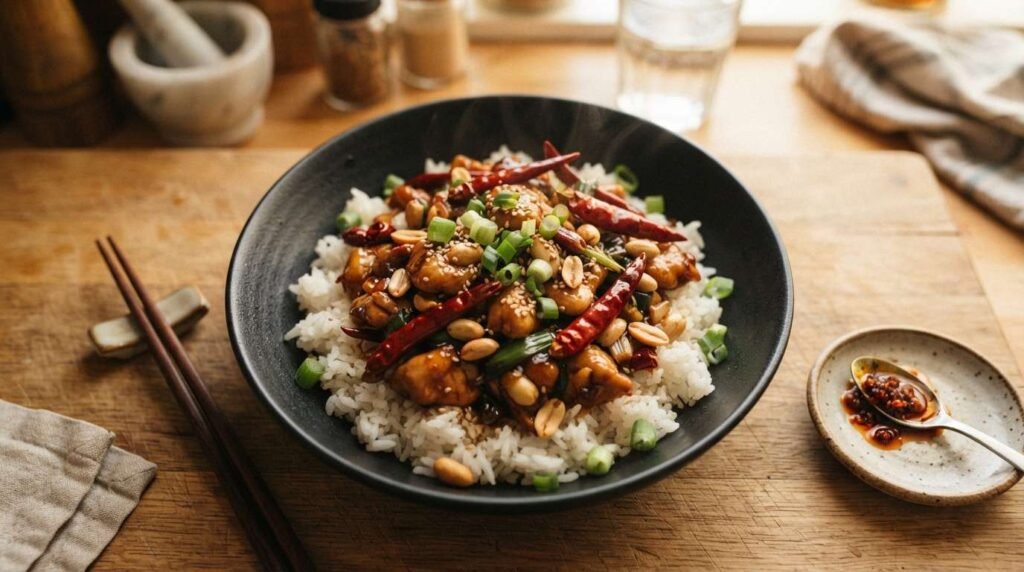
Panda Express Kung Pao Chicken Copycat Recipe
Craving Panda Express kung pao chicken but want to make it at home? This copycat recipe gives you tender chicken, crisp vegetables, roasted peanuts, dried red chilies, and a savory sauce in one hot skillet. The best part is that you can adjust the spice, salt, and sauce to suit your taste.
The trick is not simply tossing everything into a pan at once. Give the chicken a short marinade, let the dried chilies flavor the oil, and cook the vegetables only until they still have a little crunch. Those small steps make a noticeable difference.
This homemade version is especially useful on busy evenings because most of the preparation involves chopping and mixing. Once everything is ready beside the stove, the stir-fry cooks quickly.
What Is Panda Express Kung Pao Chicken?
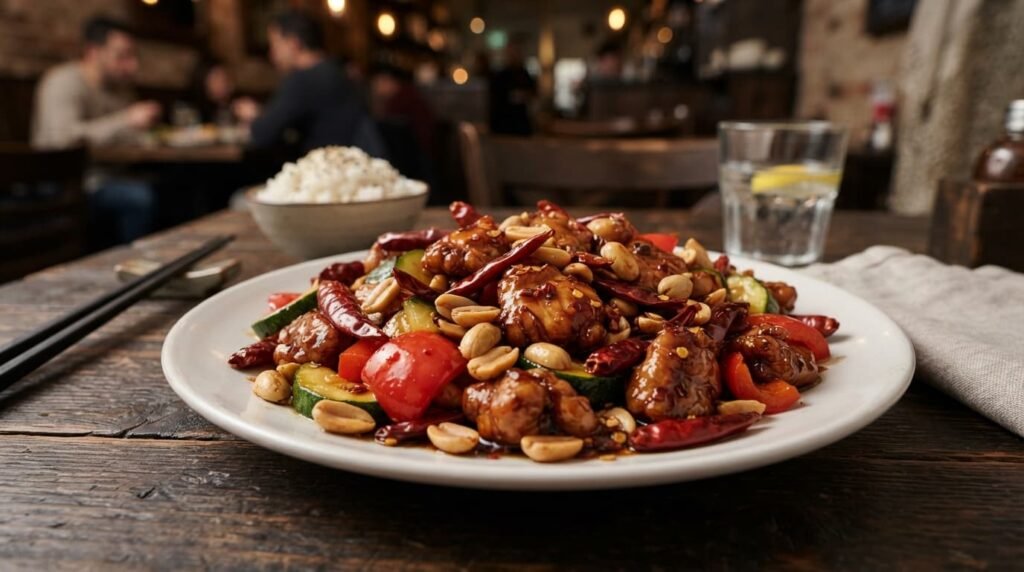
Panda Express Kung Pao Chicken is a fast-casual version of a Szechwan-inspired stir-fry. It combines chicken with vegetables, peanuts, green onions, and dried chili peppers in a savory sauce.
Traditional Sichuan kung pao chicken has a strong connection to Sichuan cooking and may include Sichuan peppercorns, which create a distinctive tingling, numbing sensation. The Panda Express-style version is more approachable, with the flavor centered around dried chilies, garlic, ginger, soy sauce, and a lightly sweet sauce.
The combination is what makes the dish so satisfying. You get juicy pieces of chicken, crunchy peanuts, tender-crisp vegetables, and little bursts of heat from the chilies.
For a homemade copycat, the goal should not be to make every ingredient taste overpowering. The best bite has several flavors at once: salty, slightly sweet, savory, spicy, and nutty.
What Does Panda Express Kung Pao Chicken Taste Like?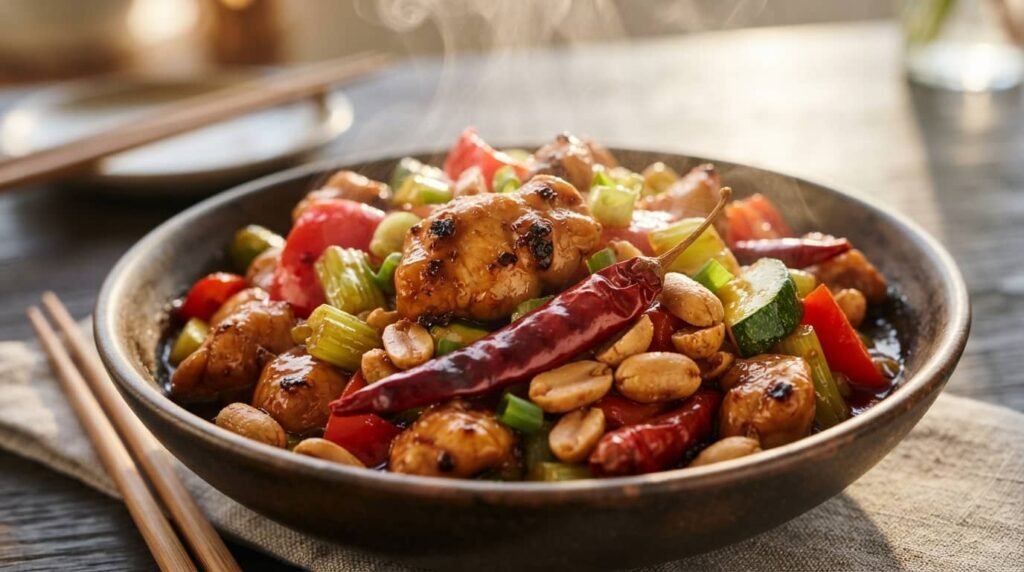
The flavor is savory first, with mild sweetness and noticeable chili heat. Garlic and ginger give the sauce a fresh, aromatic base, while soy sauce adds saltiness and depth.
The peanuts are particularly important because they provide texture. Without them, the dish can taste like an ordinary chicken stir-fry.
The vegetables also play a role. Zucchini becomes tender without needing much cooking, while red bell pepper adds a little sweetness and color. Green onions bring a fresh finish after the heavier sauce and chili flavors.
If you are sensitive to spice, start with fewer dried chilies. You can always add more heat later, but it is difficult to rescue a dish that has become much hotter than you wanted.
Is Panda Express Kung Pao Chicken Spicy?
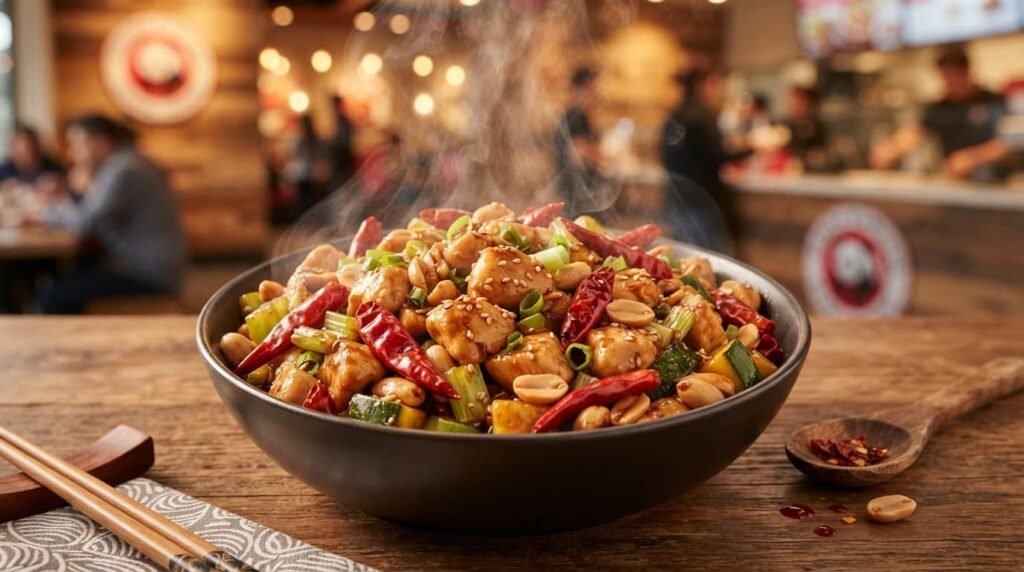
Yes, it has a noticeable kick, but the heat is easy to adjust when you make it yourself.
Dried red chilies provide much of the characteristic heat. Cooking them briefly in the oil releases their flavor before the chicken and vegetables go into the pan. You do not have to eat every chili to get their flavor throughout the dish.
For a milder version, use only a few chilies and remove some before serving. If you like more heat, leave additional chilies in the finished stir-fry or add a small amount of crushed red pepper.
One useful tip: do not judge the finished spice level only by tasting the sauce before cooking. The chilies contribute heat separately from the sauce, so the final dish can be considerably hotter than the sauce mixture itself.
Ingredients for Homemade Panda Express Kung Pao Chicken
You do not need a long shopping list for this recipe.
For the chicken
-
1 pound boneless chicken breast or chicken thighs, cut into bite-sized pieces
-
1 tablespoon cornstarch
-
1 tablespoon soy sauce
-
1 tablespoon rice vinegar or Shaoxing wine
-
1 teaspoon brown sugar
Chicken thighs are forgiving and tend to stay juicy. Chicken breast works well if you prefer a leaner option, but avoid cutting the pieces too small because they can dry out quickly.
For the stir-fry
-
1–2 tablespoons neutral cooking oil
-
Dried red chili peppers, to taste
-
1 small red bell pepper, cut into bite-sized pieces
-
1 small zucchini, cut into bite-sized pieces
-
⅓ cup roasted unsalted peanuts
-
2–3 green onions, sliced
-
2 cloves garlic, minced
-
1 teaspoon fresh ginger, minced
For the sauce
-
2 tablespoons soy sauce
-
1 tablespoon oyster sauce
-
1 teaspoon sesame oil
-
1 teaspoon brown sugar
-
1–2 cloves minced garlic
-
A little fresh ginger
If you are trying to reduce the saltiness, low-sodium soy sauce is a simple adjustment. For a gluten-free version, use gluten-free tamari and check that your oyster sauce is specifically labeled gluten-free.
How to Make Panda Express Kung Pao Chicken
The cooking goes quickly, so prepare everything before turning on the stove. This is one of the easiest ways to avoid overcooking the chicken while you are still chopping vegetables.
1. Marinate the chicken
Place the bite-sized chicken in a bowl and add cornstarch, soy sauce, rice vinegar or Shaoxing wine, and brown sugar.
Mix until the chicken is evenly coated. Let it rest for about 30 minutes.
The cornstarch helps create a light coating around the chicken. It also gives the finished sauce something to cling to, rather than leaving all of the sauce sitting at the bottom of the pan.
If you are short on time, even a brief rest is better than immediately throwing completely unseasoned chicken into the wok.
2. Mix the sauce
Whisk the soy sauce, oyster sauce, sesame oil, brown sugar, garlic, and ginger together in a small bowl.
Keep the bowl close to the stove. Once the chicken and vegetables are cooking, you will not want to stop and measure individual ingredients.
The sauce should taste fairly concentrated before it goes into the pan. It will spread over the chicken and vegetables, so a sauce that tastes perfect by itself can seem too weak once diluted across the whole stir-fry.
3. Heat the wok or skillet
Place a wok or large skillet over medium-high heat and add the cooking oil.
A large skillet works perfectly well if you do not have a wok. The important thing is to give the ingredients enough room to make good contact with the hot surface.
Overcrowding is one of the most common problems with homemade stir-fries. If the pan is packed tightly, the chicken releases moisture and starts steaming instead of browning.
4. Flavor the oil with dried chilies
Add the dried red chilies to the hot oil and let them cook briefly, around 20 to 30 seconds.
Watch them carefully. Dried chilies can burn quickly, and burnt chilies become bitter rather than pleasantly spicy.
This short step is worth doing because the oil carries the chili flavor into the rest of the dish.
5. Cook the chicken
Add the marinated chicken to the pan in a single layer as much as possible.
Cook for several minutes, turning the pieces so they brown on different sides. The chicken should be mostly cooked before you move on to the vegetables.
If your pan is small, cook the chicken in two batches. It may take a couple of extra minutes, but the better browning is worth it.
6. Add the vegetables
Add the red bell pepper and zucchini.
Stir-fry for about 2 to 3 minutes. You want the vegetables to become hot and slightly tender while keeping some bite.
Do not cook them until they are completely soft. The contrast between tender chicken and crisp-tender vegetables is part of what makes a good kung pao-style stir-fry enjoyable.
7. Add the sauce and peanuts
Pour the prepared sauce into the pan and toss everything together.
Add the roasted peanuts near the end rather than cooking them for a long time in the sauce. This helps preserve their crunch.
Continue tossing until the sauce thickens slightly and coats the chicken and vegetables.
Finish with sliced green onions and serve while everything is hot.
The Small Details That Make the Biggest Difference
A copycat stir-fry can have all the right ingredients and still taste flat or watery. The cooking method matters almost as much as the ingredient list.
Use a hot pan. A properly heated wok or skillet helps the chicken brown rather than slowly simmer.
Keep the chicken pieces similar in size. Uneven pieces cook at different speeds, leaving you with some dry pieces and some that are not finished.
Do not drown the vegetables in sauce. Kung pao chicken should be glossy and coated, not swimming in liquid.
Keep the peanuts until late. Adding them too early makes them softer.
Do not burn the chilies. Briefly toasted chilies are fragrant and spicy; dark, burnt chilies can introduce an unpleasant bitterness.
Prepare everything before cooking. Stir-frying is fast. Having the sauce, vegetables, chicken, peanuts, and green onions ready makes the process much easier.
Should You Use Chicken Breast or Chicken Thighs?
Both work, and the better choice depends on what you want from the dish.
Chicken breast has a leaner texture and works well for a lighter meal. The main risk is overcooking it. Bite-sized pieces need only a few minutes in a hot pan.
Chicken thighs contain more fat and tend to stay juicy, making them a little more forgiving for beginners.
If you are making this for the first time, thighs are a good choice if keeping the chicken tender is your main concern. If you prefer a leaner result, use breast and pay close attention to cooking time.
How to Make the Recipe Less Spicy
The easiest way is to reduce the number of dried chili peppers.
You can also remove some of the chilies before serving. They can flavor the oil and sauce during cooking without all remaining in the final portion.
For a very mild version, use only a small amount of chili or leave the dried chilies out. You will lose some of the characteristic flavor, but the chicken, peanuts, vegetables, garlic, ginger, and sauce will still make a tasty stir-fry.
Avoid adding a large amount of crushed red pepper at the end unless you already know how spicy you want the dish. It is easier to increase the heat gradually.
What Should You Serve With Kung Pao Chicken?
Steamed white rice is the simplest pairing. Its mild flavor balances the salty, spicy sauce and gives the extra sauce somewhere to go.
Brown rice works if you prefer its nuttier flavor. Cauliflower rice can also be used for a lighter meal.
For a takeout-style dinner at home, serve the chicken with:
-
Steamed white rice
-
Brown rice
-
Cauliflower rice
-
Simple stir-fried vegetables
-
Egg fried rice
You do not need several elaborate side dishes. The kung pao chicken already contains chicken, vegetables, peanuts, and sauce, so a simple rice side is usually enough.
Common Mistakes When Making Kung Pao Chicken
Overcrowding the pan
This is probably the biggest issue. A crowded skillet traps moisture and prevents proper browning.
Use a larger pan or cook the chicken in batches.
Cooking the vegetables too long
Zucchini and bell pepper do not need much time. If you keep cooking them while waiting for the sauce to thicken, they can become soft and watery.
Burning the dried chilies
Keep an eye on the chilies from the moment they hit the oil. They need a short sizzle, not several minutes of frying.
Adding peanuts too early
Peanuts should provide a pleasant crunch. Add them toward the end.
Making too much sauce
Kung pao chicken is coated rather than submerged. Start with the recommended amount and add more only if the pan looks genuinely dry.
Can You Make Panda Express Kung Pao Chicken Gluten-Free?
Yes, but you need to check the ingredients rather than assuming every version is gluten-free.
Regular soy sauce commonly contains wheat, so replace it with gluten-free tamari or another gluten-free soy sauce alternative.
Oyster sauce also needs attention because formulations vary. Choose a product clearly labeled gluten-free and check the ingredient label.
The chicken, vegetables, peanuts, garlic, ginger, and dried chilies do not inherently require wheat, but sauces and packaged ingredients are where hidden gluten can enter the recipe.
Can You Use Another Protein?
Absolutely.
Chicken is the classic choice for this version, but the same general stir-fry method can work with shrimp, beef, or tofu.
Shrimp cooks particularly quickly, so add it later and avoid treating it exactly like chicken. Beef can be sliced thinly against the grain for a tender result. Firm tofu can replace chicken for a meat-free version, especially if you crisp it before adding the sauce.
The main thing is to adjust cooking time for the protein rather than blindly following the chicken timing.
How to Store and Reheat Leftovers
Place leftover kung pao chicken in an airtight container and refrigerate it promptly. For best quality, use refrigerated leftovers within about 3 to 4 days.
Reheat the chicken gently in a skillet over medium heat. A microwave also works; heat in short intervals and stir between them.
Keep in mind that the vegetables will soften during storage, and the peanuts will lose some of their original crunch. If you know you will have leftovers, you can reserve a small portion of the peanuts and add them after reheating.
For longer storage, the cooked dish can be frozen, although the vegetables and peanuts will not have exactly the same texture after thawing.
Panda Express Kung Pao Chicken vs. General Tso’s Chicken
These two dishes are easy to confuse because both are popular American Chinese takeout choices, but they are quite different.
Kung pao chicken is typically built around seared chicken, dried chilies, peanuts, vegetables, and a savory sauce. It has a noticeable spicy element and usually is not dominated by sweetness.
General Tso’s chicken is commonly made with battered or fried chicken and a thicker, sweeter sauce.
If you want something with crunchy peanuts, vegetables, and chili heat, kung pao chicken is the better match. If you are looking for crispy chicken covered in a sweeter glaze, General Tso’s is closer to that style.
How to Get the Best Result on Your First Try
If this is your first time making Panda Express kung pao chicken at home, keep the process simple.
Use chicken thighs if you want extra forgiveness, or chicken breast if you prefer a leaner option. Prepare the sauce before cooking. Cut the vegetables into similar-sized pieces. Heat the pan properly, and resist the temptation to fill it beyond its capacity.
Most importantly, taste and adjust at the end.
If the dish tastes too salty, do not immediately add more soy sauce. If it needs more brightness, a small amount of rice vinegar can help. If the heat is too low, add chili gradually. If the sauce is too loose, let it cook for another moment while tossing the ingredients.
That final adjustment is often what turns a decent homemade stir-fry into one you actually want to make again.
Final Thoughts
Panda Express kung pao chicken is surprisingly manageable to recreate at home. The ingredient list is straightforward, and the most important techniques are simple: marinate the chicken, flavor the oil with the dried chilies, keep the pan hot, avoid overcrowding, and add the peanuts near the end.
Once those steps become familiar, you can easily adjust the recipe for your preferred level of heat, type of chicken, vegetables, and serving style. The result is a fast homemade stir-fry with tender chicken, crunchy peanuts, crisp-tender vegetables, and a savory chili sauce—without having to wait in line for takeout.
Is Panda Express Kung Pao Chicken healthy?
It can fit into a balanced meal, but the nutritional profile depends heavily on portion size, cooking oil, sauce, and what you serve with it. Making it yourself gives you more control over sodium, oil, sugar, and portion size than ordering a prepared restaurant meal.
Does Panda Express Kung Pao Chicken have peanuts?
Yes. Peanuts are a defining ingredient in this style of the dish and provide the crunchy texture that contrasts with the tender chicken and vegetables. If you have a peanut allergy, do not simply remove them without considering cross-contact from other ingredients or cooking equipment.
Can I make kung pao chicken without a wok?
Yes. A large, heavy skillet works well. Choose the largest pan you have so the chicken and vegetables have enough space to sear instead of steaming.
Can I prepare the ingredients ahead of time?
Yes. You can cut the chicken and vegetables, mix the sauce, and measure the peanuts and dried chilies ahead of time. Keep perishable ingredients refrigerated until you are ready to cook.
Why is my kung pao chicken watery?
Usually, the pan is too crowded, the vegetables have released too much moisture, or the sauce has not had enough time to reduce. Use a large pan, cook in batches when needed, and let the sauce bubble briefly while tossing everything together.
Can I leave out the dried chilies?
You can, especially if you need a very mild dish. However, dried chilies provide more than heat—they also contribute a characteristic roasted chili flavor. If you leave them out, the finished dish will taste different from the typical Panda Express-style version.
What is the best rice for kung pao chicken?
Steamed white rice is the easiest choice because its mild flavor works well with the savory sauce. Brown rice is another good option if you prefer a nuttier, more filling side.

Pingback: Who Invented Orange Chicken? The Real Story Behind the Dish - kitchennista.com