What Is Keto Bread?
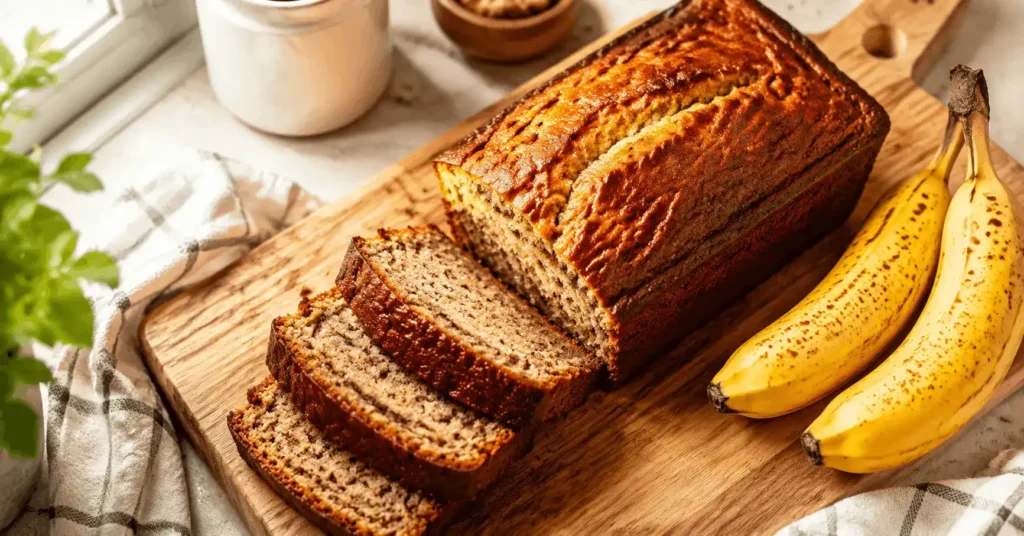
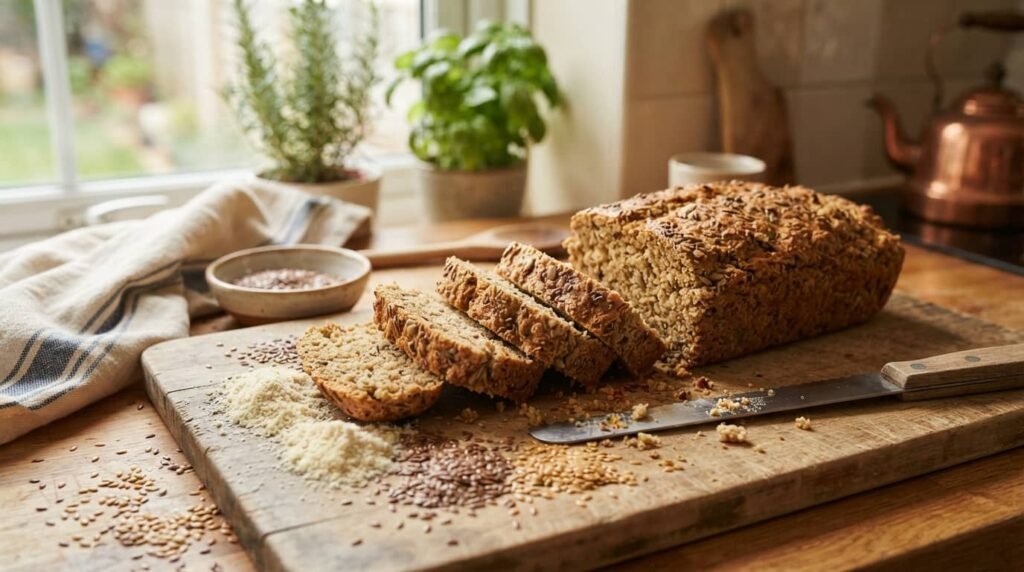
What is keto bread? It is a low-carb loaf made with ingredients like almond flour, coconut flour, or psyllium husk instead of wheat flour, so it fits into a ketogenic or low-carb eating plan without knocking you out of ketosis. If you have missed sandwiches, toast, or a simple grilled cheese since cutting carbs, keto bread is the workaround that lets you keep those foods on the table. We have tested more than a dozen store-bought loaves and homemade recipes in our own kitchen, and the short version is this: not all keto bread is created equal, so it helps to know what you are actually buying or baking.
What Is Keto Bread?

Keto bread is bread that is reformulated to be low in net carbs, usually by swapping out wheat flour for nut flours, seed flours, or fiber-based binders. A typical slice of white sandwich bread carries around 14 to 20 grams of total carbs. A slice of keto bread usually lands between 1 and 5 grams of net carbs, which is what makes it possible to eat toast or a sandwich without spending your entire daily carb budget on one meal.
The word “keto” is not regulated by the FDA, so a loaf labeled “keto-friendly” on the shelf does not automatically mean it fits every version of the diet. Some brands lean on almond or coconut flour and are naturally grain-free. Others use vital wheat gluten, a protein isolated from wheat, to mimic the chew of traditional bread while still keeping total carbs low. Both approaches can work, but they are nutritionally different, so the ingredient label matters more than the word on the front of the bag.
What Is Keto Bread Made Of?

Most keto bread recipes and store-bought loaves build around a small set of low-carb staples:
- Almond flour: the most common base, mild in flavor and higher in fat and protein than wheat flour
- Coconut flour: very absorbent and high in fiber, usually used in smaller amounts alongside another flour
- Psyllium husk: a fiber that adds structure and stretch, standing in for the gluten that wheat normally provides
- Flaxseed meal: adds fiber, texture, and a slightly nutty flavor
- Eggs: help the loaf rise and hold together without gluten
- Vital wheat gluten: used by some commercial brands to get a fluffier, more traditional crumb while keeping starch content low
Homemade versions, like a classic almond flour loaf or “90 second bread” made in a mug, tend to be the simplest, with five or six ingredients total. Store-bought keto breads usually have a longer ingredient list because manufacturers need preservatives, emulsifiers, and stabilizers to get a shelf-stable loaf that still slices and toasts like regular bread.
Quick Answer: Is Keto Bread Actually Keto?
Yes, when it is made correctly. A true keto bread keeps net carbs low enough (usually under 5 grams per slice) that it fits within a daily ketogenic carb limit of 20 to 50 grams total. The catch is that “keto” is a marketing term, not a legal standard, so always check the nutrition label rather than trusting the packaging. Subtract fiber and any sugar alcohols from total carbs to get the net carb count, and compare that against your own daily target before assuming a loaf will keep you in ketosis.
Keto Bread vs. Regular Bread: What Actually Changes
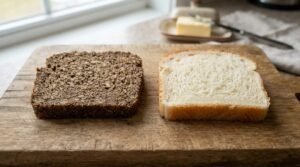
The biggest difference between keto bread and regular bread comes down to the flour. Traditional bread starts with wheat flour, which is high in starch and low in fiber unless it is a whole grain variety. Keto bread replaces that starch with nut flours, seed flours, or added fiber, which changes more than just the carb count.
Texture shifts too. Because keto bread has little or no gluten, it tends to be denser, a bit eggier, and less airy than a wheat loaf. Toasting or pan-grilling it usually helps close that gap. Flavor is also different. Almond and coconut flour both carry a mild nuttiness that some people love and others need a slice or two to adjust to.
On the nutrition side, keto bread is generally higher in fat and protein and lower in carbohydrates than regular bread. It often has more fiber too, especially when psyllium husk or flaxseed is involved, which helps offset the lower fiber content you would normally get from whole wheat.
Is Keto Bread Healthy?
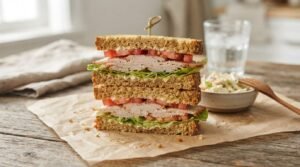
That depends on the specific loaf, so it helps to look past the label and check a few things directly.
- Fiber content: look for at least 5 grams of fiber per slice, since fiber helps slow digestion and supports more stable blood sugar
- Protein content: aim for 4 to 6 grams per slice, which helps keep you full longer than a starchy slice of white bread would
- Added sugar: some brands sneak in sugar to improve flavor, so anything over 2 grams per slice is worth a second look
- Ingredient list: shorter lists with recognizable ingredients like almond flour, flaxseed, and psyllium husk are generally a better sign than a long list of gums and additives
Keto bread made with clean, simple ingredients can be a genuinely useful swap, especially for people managing blood sugar or following a low-carb eating pattern. It is still a processed food in most store-bought forms, though, so it is worth treating it as one component of a balanced plate rather than a free food you can eat without limit.
How to Choose a Good Keto Bread at the Store

Keto bread has moved from specialty health food stores into the regular bread aisle at most major US grocery chains, which makes the choice a little overwhelming. A few habits make it easier:
- Flip the bag over before you look at the front label, and start with the Nutrition Facts panel instead of the marketing copy.
- Check net carbs by subtracting fiber grams from total carb grams, since fiber does not raise blood sugar the way other carbs do.
- Compare brands side by side. Net carbs per slice can range from 1 gram to well over 8 grams depending on the recipe, even among products marketed the same way.
- Look at the fat source. Loaves built on healthy fats and whole ingredients tend to be more satisfying than ones leaning heavily on refined oils.
- If gluten is a concern, read the ingredient list closely. Some keto breads are naturally gluten-free, while others include vital wheat gluten for texture.
Can You Make Keto Bread at Home?

Yes, and for a lot of home cooks it turns out better than the store-bought version. A basic almond flour loaf needs little more than almond flour, eggs, baking powder, butter, and salt, whisked together and baked in a standard loaf pan. Adding a spoonful of psyllium husk gives the crumb more stretch and makes it slice more like traditional sandwich bread.
Baking at home also means full control over the ingredient list, which matters if you are avoiding preservatives, watching sodium, or want to keep the loaf strictly grain-free. The tradeoff is texture. Homemade keto bread is usually denser than a wheat loaf straight out of the oven, though a quick toast fixes most of that. If the first loaf comes out too crumbly, letting it cool completely before slicing, and storing it in the fridge rather than on the counter, both help it hold together better.
Common Questions About Keto Bread

Is keto bread gluten-free?
Not always. Keto bread can be gluten-free when it is built on almond flour, coconut flour, or flaxseed meal alone. Some commercial brands add vital wheat gluten to improve texture and chew, so anyone with celiac disease or a gluten sensitivity needs to check the ingredient label every time rather than assuming “keto” means “gluten-free.”
How many net carbs does keto bread have?
Most keto bread lands between 1 and 5 grams of net carbs per slice, compared with roughly 14 to 20 grams in a slice of regular white bread. The exact number varies quite a bit by brand and recipe, so it is worth checking the label rather than assuming every “keto” loaf lands in the same range.
Can you eat keto bread every day?
Generally yes, as long as it fits your daily carb allowance and you are choosing a version with real fiber and protein rather than one padded with refined starches. Portion still matters. A slice or two a day tends to fit comfortably into most low-carb plans, but eating an entire loaf will eat into your carb budget fast.
Is sourdough bread keto-friendly?
Typically not. Traditional sourdough is still made with wheat flour and carries roughly 12 to 18 grams of total carbs per slice, even though fermentation can make it a little easier on blood sugar than other wheat breads. It only qualifies as keto-friendly when it is made specifically with low-carb flours instead of wheat.
The Bottom Line
Keto bread is a genuinely useful swap when you pick a loaf built on real, low-carb ingredients like almond flour, coconut flour, or psyllium husk, and it can just as easily disappoint if you grab the first bag labeled “keto” without flipping it over. Check the label, watch the net carbs, and do not be afraid to bake a loaf at home if the store-bought options in your area are not cutting it. Once you find a brand or a recipe that works, sandwiches and toast are back on the menu without derailing your carb count.