
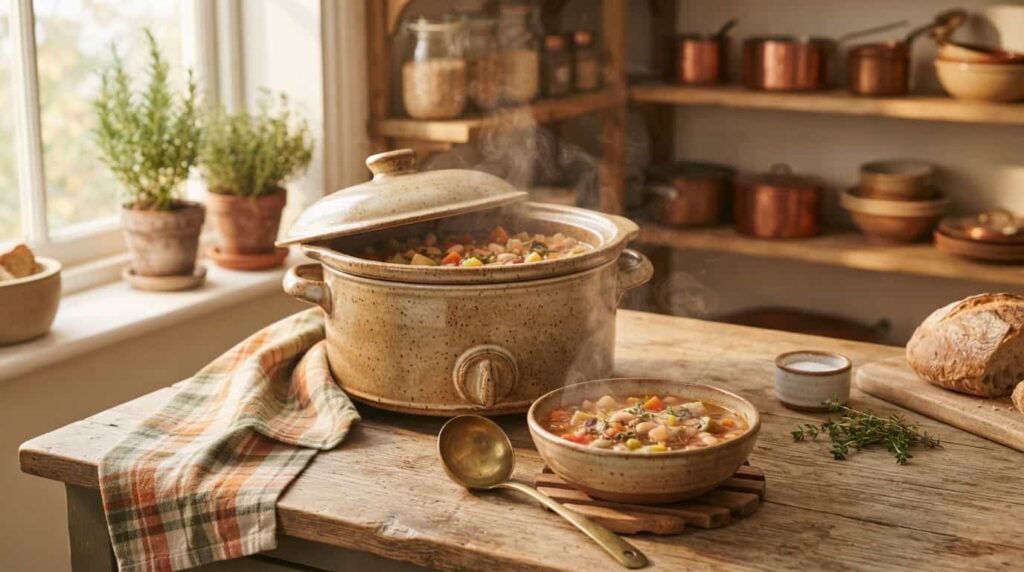
Slow Cooker Soup Recipes: 15 Easy Comfort Bowls
Slow cooker soup recipes are the easiest way to get a hot, homemade dinner on the table without standing over a stove. You load the pot in the morning, walk away, and come home to a kitchen that smells like someone’s been cooking all day, even if that someone was you for about ten minutes. Below you’ll find fifteen tested favorites, plus the timing rules, layering tricks, and fixes I use in my own kitchen when a batch turns out too thin or too bland.
Quick Answer: How Long Do You Cook Soup in a Slow Cooker?
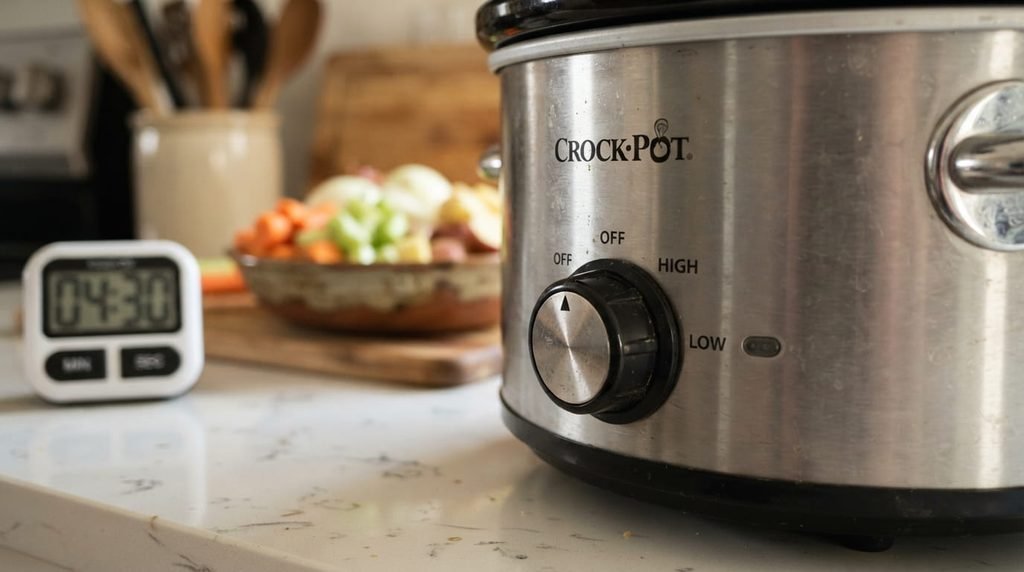
Most slow cooker soups need 6 to 8 hours on low or 3 to 4 hours on high. Vegetable-only soups cook faster, usually 4 to 6 hours on low, while soups built around tougher cuts of meat, like chuck roast or ham hocks, can take 8 to 10 hours on low to turn fully tender. Bean-based soups fall somewhere in the middle at 6 to 8 hours. When in doubt, low and slow wins, since it gives collagen more time to break down and flavors more time to blend.
Why Slow Cooker Soup Recipes Make Weeknight Dinner So Easy
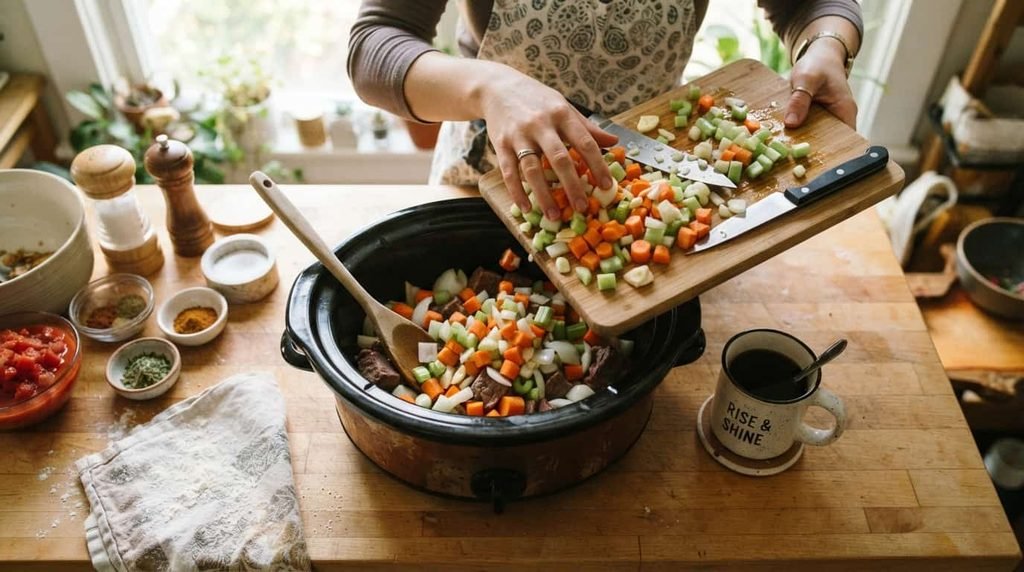
There’s a reason slow cooker soup recipes show up in heavy rotation on busy weeknights. You chop, dump, and walk away. No babysitting a pot, no last-minute scramble, no dishes piling up from a dozen pans. I’ve thrown a soup together at 7 a.m. before the school run and pulled dinner out of the same pot twelve hours later without touching it once in between.
The format is forgiving, too. Soft vegetables that are a day or two past their best still work beautifully once they’ve simmered for hours. Odds and ends in the crisper drawer become a genuinely good meal instead of compost. And because most recipes make six to eight servings, one Sunday batch usually covers a weeknight dinner plus a freezer stash for a month when you don’t feel like cooking at all.
Tips and Common Mistakes for Better Slow Cooker Soup
A handful of habits separate a great pot of soup from a watery, flavorless one. Here’s what actually moves the needle, based on what’s gone wrong (and right) in my own crockpot over the years.
Use less liquid than a stovetop recipe calls for. Slow cookers trap moisture instead of letting it evaporate, so soups rarely reduce the way they would in an open pot. Pour broth just until it covers the vegetables by about half an inch, not to the brim.
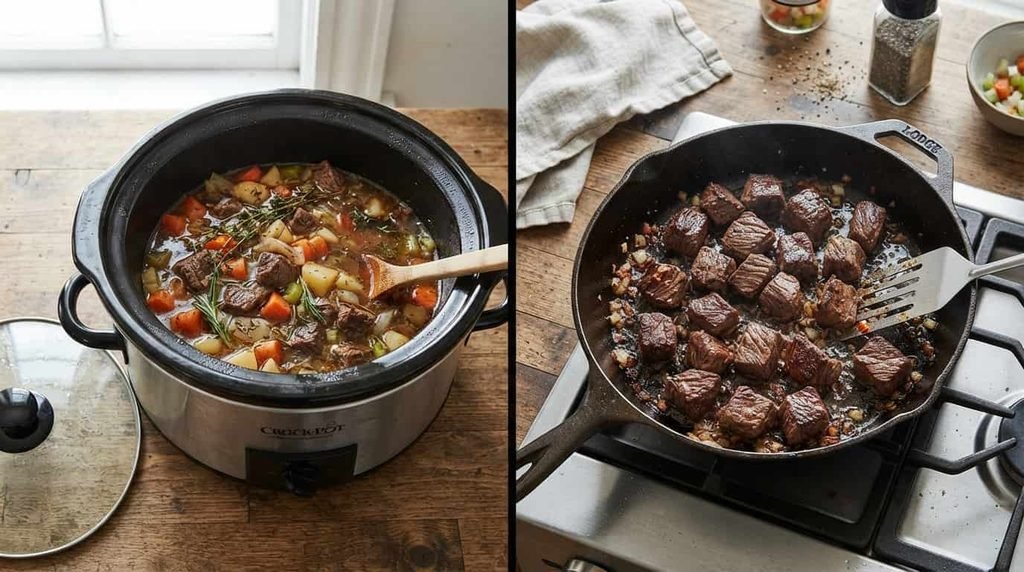
Layer with the densest ingredients on the bottom. Root vegetables like potatoes, carrots, and turnips sit closest to the heat source and cook through best there. Tender vegetables, grains, and delicate herbs go in later or near the top so they don’t turn to mush.
Brown your meat and sauté your aromatics first, if you have five extra minutes. A dump-and-go soup with everything raw will still taste good, but searing meat and softening onions and garlic in a hot pan before they go into the slow cooker adds real depth you can’t fake later.
Don’t overfill the pot. Keep the slow cooker between half and three-quarters full so heat can circulate evenly. Cram it to the lid and the center takes far longer to come up to temperature, which throws off your whole cook time.
Add pasta, dairy, and delicate greens near the end. Pasta turns gummy and bloated if it sits in broth for six hours, so stir it in during the last 30 to 40 minutes. Milk, cream, and soft greens like spinach go in during the last 15 to 20 minutes so they don’t curdle or overcook.
If your soup turns out thin, don’t panic. Ladle out a cup of the vegetables and broth, blend it smooth, and stir it back in for natural body. A cornstarch slurry, a couple tablespoons of cornstarch whisked into cold water, works fast if you’re short on time.
Classic Chicken and Vegetable Slow Cooker Soups
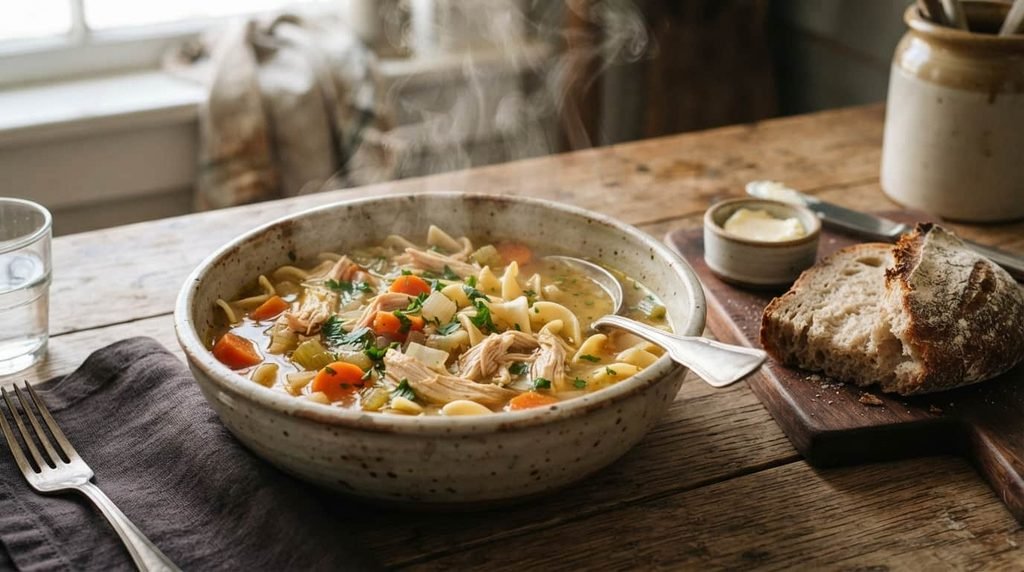
These are the soups that taste like a hug, the ones most of us grew up on. Chicken thighs or a whole cut-up chicken go in raw with carrots, celery, onion, and stock, then cook low and slow until the meat shreds with a fork. Stir in egg noodles or rice near the end for a full-on chicken noodle soup, or leave it brothy with just vegetables for something lighter. A ham hock version swaps in lentils and barley for a smoky, deeply savory bowl that practically cooks itself into a stew by hour eight.
For something a little different, try a French onion base: sweet onions cook down for hours until they’re soft and deeply caramelized in flavor if not in color, then get ladled over toasted bread with melted cheese on top. It’s less hands-on than the stovetop version and just as satisfying.
Hearty Bean, Grain, and Meat Slow Cooker Soups
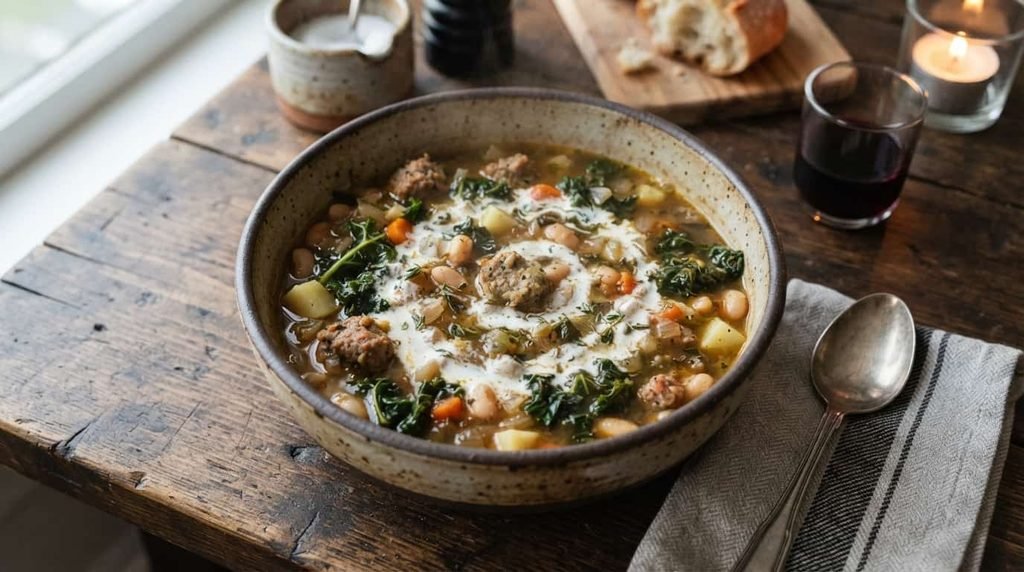
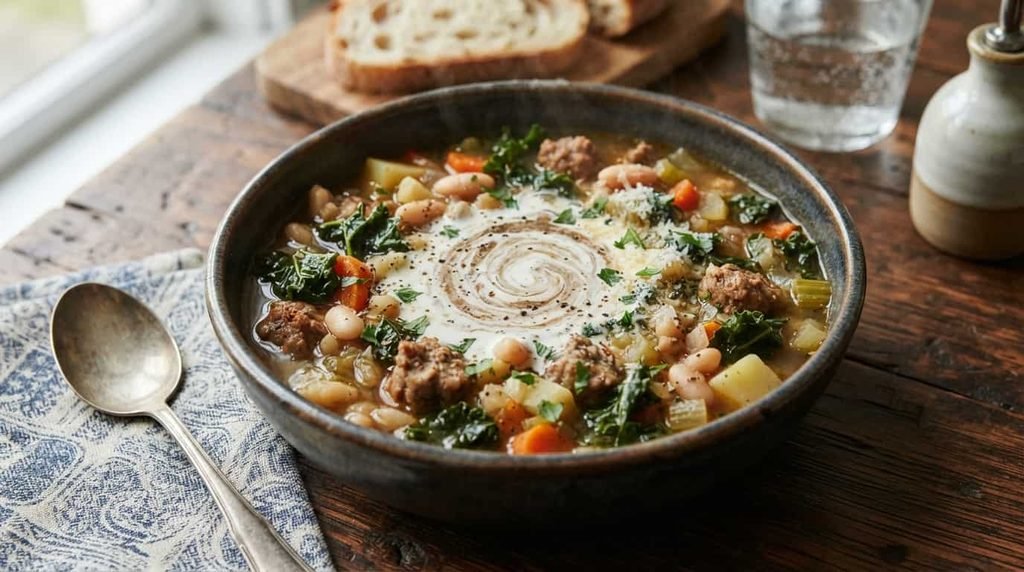
When you want dinner to actually fill you up, lean into beans, grains, and slower-cooking cuts of meat. Minestrone loaded with white beans, pasta, and whatever vegetables are in the fridge is a reliable go-to, especially once you learn to hold the pasta back until the last half hour. A smoky sausage and potato soup with greens, sometimes called zuppa toscana, brings creamy richness without much effort beyond browning the sausage first.
Chili and taco-style soups also thrive in the slow cooker. Ground beef or shredded chicken, canned beans, corn, and a mix of chili powder and cumin turn into a thick, spoonable meal that only gets better as it sits. For tougher cuts like chuck roast or short ribs, the slow cooker is genuinely the best tool in the kitchen. Hours of low heat break down connective tissue that would stay chewy on the stovetop, leaving you with fall-apart meat in a rich, well-built broth.
Creamy and Vegetable-Forward Slow Cooker Soups
Vegetable-heavy soups tend to cook a little faster and blend beautifully once everything’s tender. Potato and leek is the easiest starting point: a handful of ingredients, a few hours on low, and an immersion blender turn it into something silky enough to serve at a dinner party. Pumpkin and butternut squash soups follow the same pattern, with a splash of cream stirred in at the end for richness.
Tomato basil is another one worth keeping in rotation, especially in late summer when tomatoes are at their best, though canned tomatoes work well year-round too. Roasting the tomatoes first, even briefly under the broiler, adds a concentrated sweetness that plain canned tomatoes can’t match. Carrot and ginger is a lighter option that leans slightly sweet and warming, good for when you want something a little different from the usual cream-and-broth lineup.
Frequently Asked Questions About Slow Cooker Soup Recipes
Can you leave pasta in slow cooker soup all day?
No, pasta left in a slow cooker for hours turns soft, swollen, and gummy. Add it during the last 30 to 40 minutes of cooking instead. If you’re planning to freeze leftovers, it’s better to cook the pasta separately and stir it in fresh when you reheat each portion.
Do you need to brown meat before adding it to slow cooker soup?
Not strictly, but it helps. Raw meat added straight to the pot will still cook through and taste fine, especially in a soup with plenty of broth and seasoning. Browning it in a hot skillet first builds a deeper, more savory flavor that carries through the whole pot, so it’s worth the extra five minutes when you have time.
Can you overfill a slow cooker with soup?
Yes, and it’s one of the most common mistakes. A pot packed to the rim doesn’t heat evenly and can take much longer to reach a safe cooking temperature. Keep the slow cooker no more than three-quarters full, and if a recipe makes too much for your pot size, scale the ingredients down rather than cramming everything in.
Does slow cooker soup taste better the next day?
Often, yes. As soup sits in the fridge overnight, the flavors continue to meld and deepen, which is especially noticeable in broth-based, bean, or meat soups. Pasta and rice are the exception, since they keep absorbing liquid and can turn mushy after a day or two, so it’s best to add those fresh if you’re eating leftovers.
Storing, Freezing, and Reheating Slow Cooker Soup
Let soup cool to room temperature before transferring it to airtight containers, then refrigerate for up to four days. Most broth, bean, and meat-based soups freeze beautifully for up to three months. Portion them into single servings before freezing so you can pull out exactly what you need on a weeknight without thawing the whole batch.
Reheat gently on the stovetop or in the microwave until steaming hot throughout. If a soup thickened up too much in the fridge or freezer, a splash of broth or water while reheating brings it right back to the right consistency. Cream-based soups can separate slightly after freezing, so whisk them well as they warm to bring everything back together.
Once you’ve made a couple of these, slow cooker soup recipes tend to become the dinner you default to on the busiest nights, not because they’re fancy, but because they genuinely work with almost no supervision. Pick one, load the pot before you leave the house, and let it do the rest.
Pingback: Crab Rangoon Dip Recipe: Easy, Cheesy & Crowd-Ready
Pingback: Mississippi Pot Roast Instant Pot: Easy 5-Ingredient Recipe - kitchennista.com