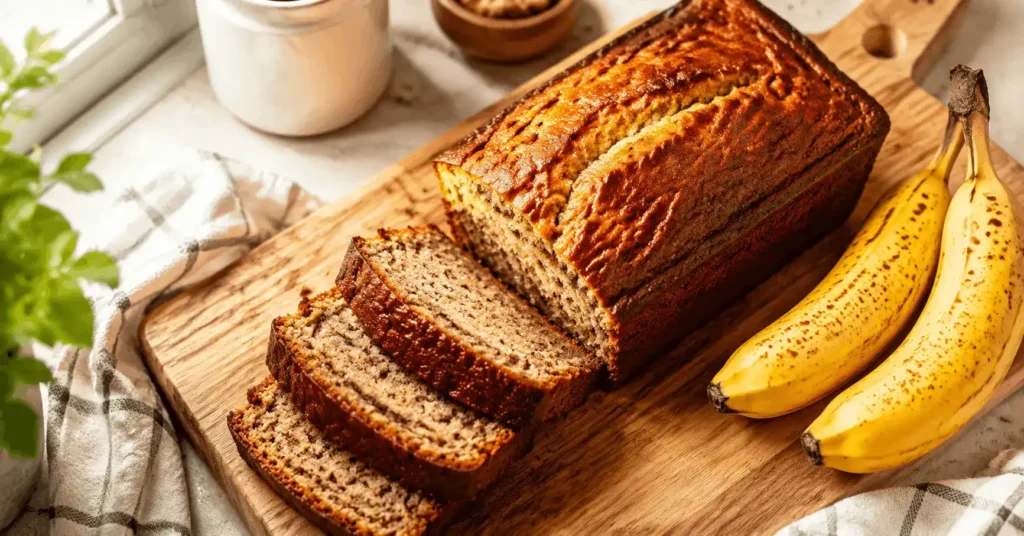

Easy Gluten Free Muffin Recipe (Soft & Bakery-Style)
If you’ve been chasing a gluten free muffin recipe that doesn’t turn out gritty, dry, or dense, this one solves all three problems at once. It uses a simple 1-to-1 gluten free flour blend, a few pantry staples, and one mixing trick that keeps the crumb soft and tender instead of crumbly. Whether you want plain muffins, chocolate chip, or a fruit-and-nut version, this base recipe works for all of it, and it comes together in under 40 minutes start to finish.
The Quick Answer: How to Get Soft, Never-Gritty Gluten Free Muffins
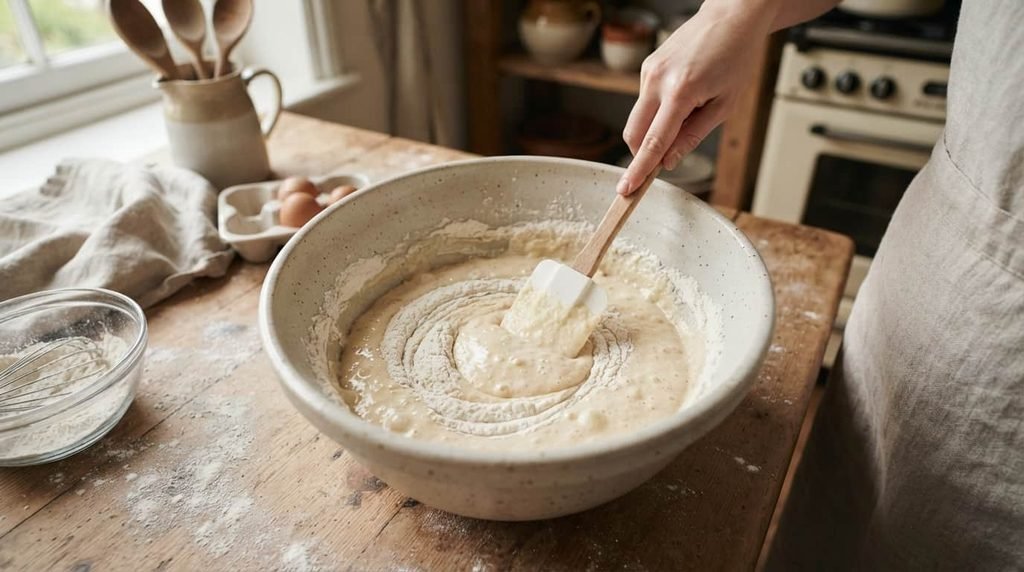
The short version: use a gluten free flour blend that contains xanthan gum, don’t overmix the batter once the wet and dry ingredients meet, and add a little extra fat and liquid (like buttermilk or yogurt) than a wheat-flour recipe normally calls for. Gluten free flours absorb moisture differently than wheat flour, so extra moisture and gentle mixing are what keep the crumb soft instead of sandy or dry. Bake at a slightly higher temperature for the first several minutes to help the tops dome, then finish at a normal muffin bake time.
What You Need for This Gluten Free Muffin Recipe
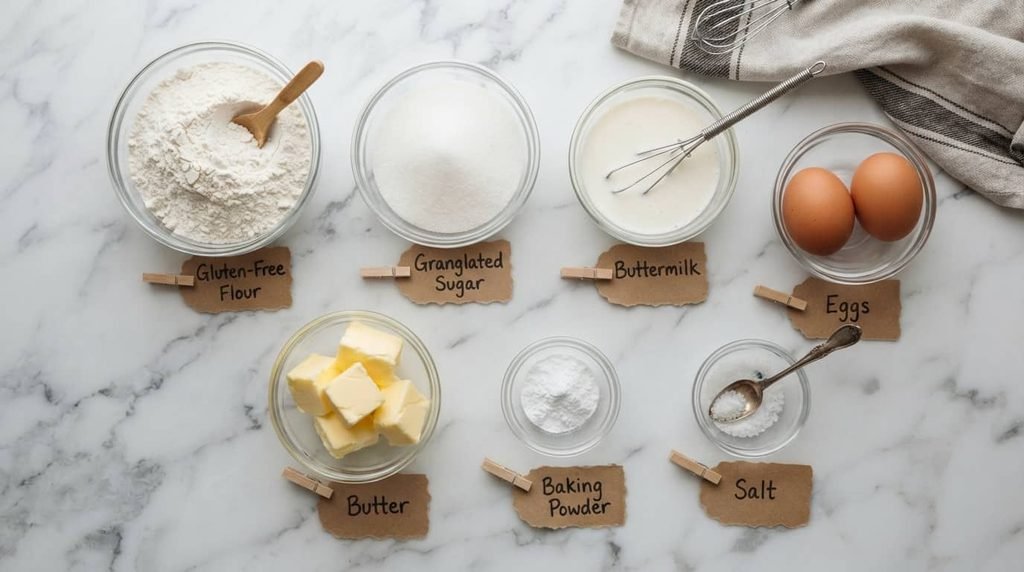
This gluten free muffin recipe keeps the ingredient list short and mostly things you likely already have on hand.
Dry ingredients
- 2 cups (280g) gluten free 1-to-1 baking flour blend (choose one with xanthan gum already in it; if yours doesn’t have it, whisk in 1 teaspoon separately)
- ⅔ cup granulated sugar
- 2 teaspoons baking powder
- ½ teaspoon baking soda
- ½ teaspoon fine salt
Wet ingredients
- 2 large eggs, room temperature
- 1 cup buttermilk, room temperature (or ½ cup milk plus ½ cup plain yogurt)
- ⅓ cup melted butter or neutral oil, cooled slightly
- 1 teaspoon vanilla extract
Optional add-ins
- Up to 1 cup mix-ins: chocolate chips, chopped nuts, dried cranberries, or a cinnamon-sugar topping
A quick note on the flour: not every gluten free blend performs the same way. Blends built from rice flour, potato starch, and tapioca starch, with xanthan gum for structure, tend to give the most reliable bakery-style rise. Blends heavy on bean flour can leave a slightly gritty or bitter aftertaste, so if your muffins have tasted “off” before, that’s often the culprit rather than your technique.
If you bake gluten free often, it’s worth keeping two blends on hand: one all-purpose blend for muffins, cookies, and quick breads, and a bread-specific blend for anything that needs more chew, like sandwich bread or rolls. Using a bread blend here will make the muffins tougher than they should be, since those blends are formulated with more protein-mimicking ingredients for structure rather than tenderness.
How to Make Gluten Free Muffins Step by Step
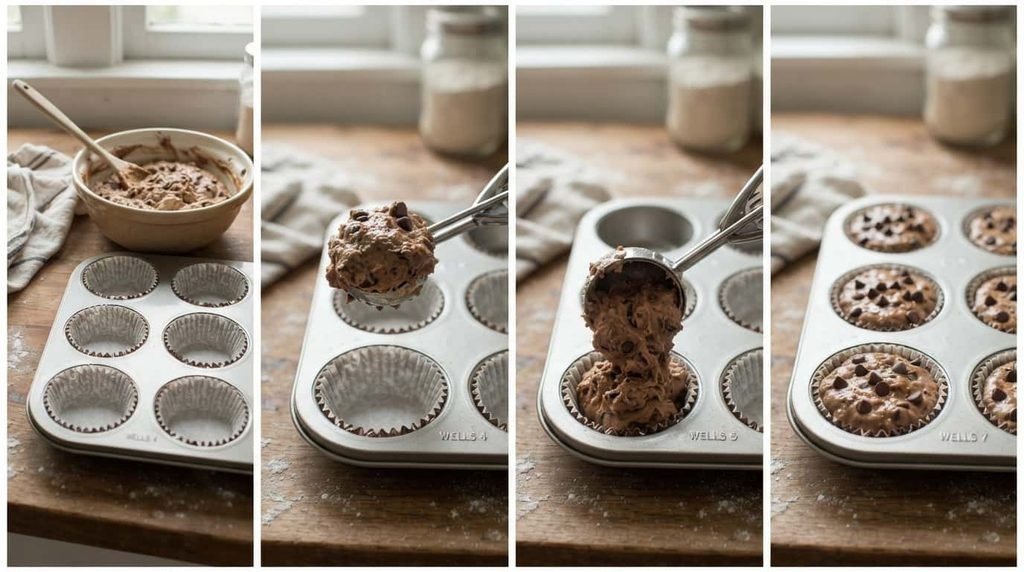
- Preheat and prep. Preheat your oven to 375°F. Line a standard 12-cup muffin tin with paper liners or grease the wells well.
- Whisk the dry ingredients. In a large bowl, whisk together the flour blend, sugar, baking powder, baking soda, and salt, breaking up any clumps.
- Whisk the wet ingredients. In a separate bowl or large measuring cup, whisk the eggs, buttermilk, melted butter, and vanilla until smooth.
- Combine gently. Pour the wet ingredients into the dry ingredients and stir just until no streaks of flour remain. The batter should look thick but pourable. Overmixing at this stage is the most common reason gluten free muffins turn out gummy, so stop as soon as it’s combined.
- Fold in mix-ins. Add chocolate chips, nuts, or dried fruit and fold gently, just enough to distribute them.
- Fill and top. Divide the batter evenly among the muffin cups, filling each about three-quarters full. For a crisp, bakery-style top, sprinkle a pinch of coarse or turbinado sugar over each one.
- Bake. Bake for 18 to 20 minutes, until a toothpick inserted in the center comes out clean and the tops spring back when pressed gently.
- Cool. Let the muffins rest in the pan for 5 minutes, then transfer to a wire rack to finish cooling. Moving them too soon can cause the tops to sink slightly.
Choosing the Right Gluten Free Flour Blend
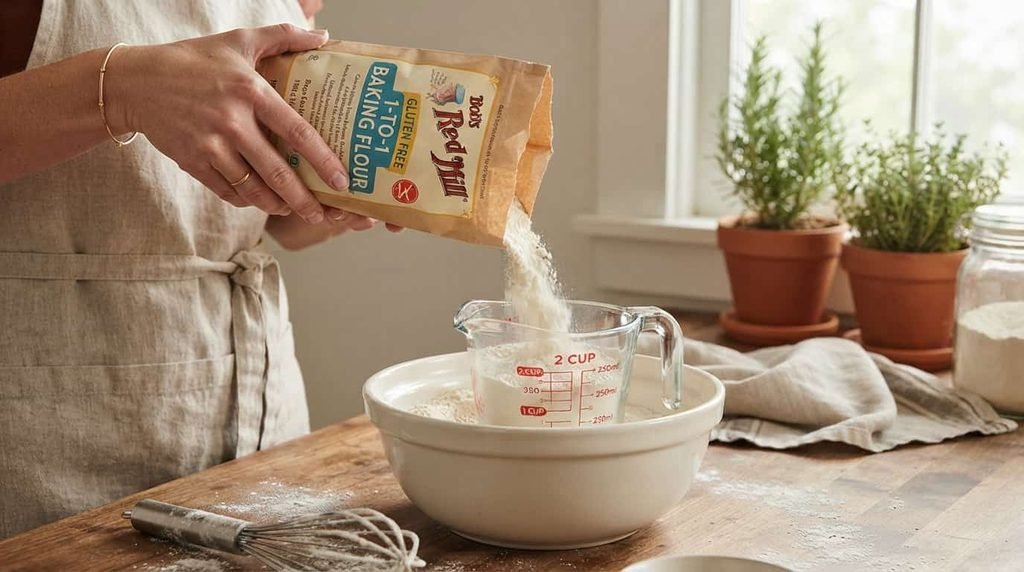
Since this whole recipe depends on the flour, it’s worth spending an extra minute on it. Look for a cup-for-cup or 1-to-1 gluten free baking blend rather than a bread flour blend, since bread blends are formulated for chew, not tenderness. Xanthan gum is what holds gluten free baked goods together in place of gluten, so if your favorite blend doesn’t include it, add ¼ to 1 teaspoon per recipe depending on how much flour is used. Too little and muffins crumble apart; too much and they turn gummy, so start on the lower end and adjust next time if needed.
If you’re baking for someone with a wheat allergy rather than celiac disease, you have more flexibility, but for celiac households, always confirm the blend and any mix-ins (like oats or certain chocolate chips) are certified gluten free to avoid cross-contact.
Flavor and Mix-In Ideas
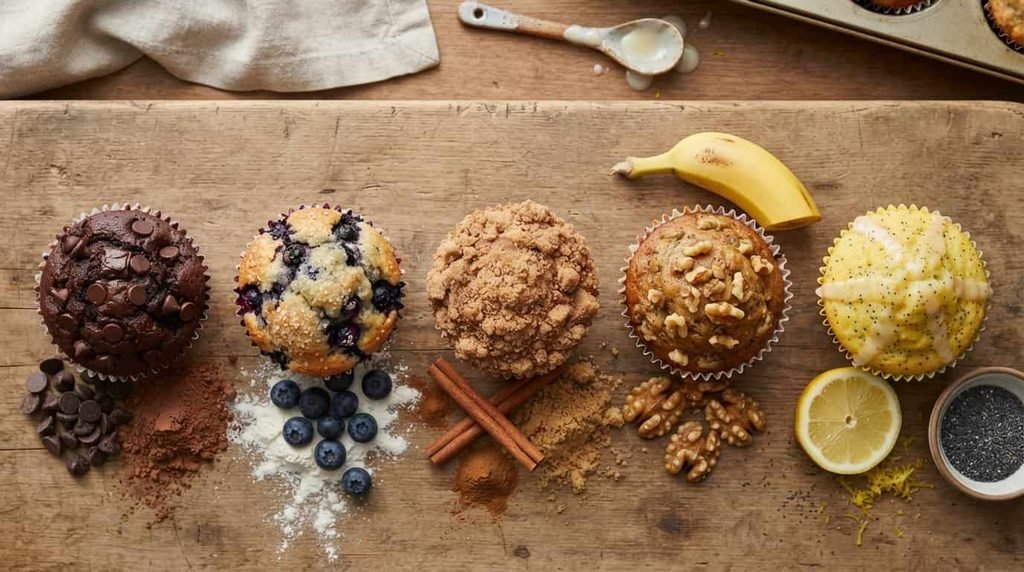
Once you’ve got the base gluten free muffin recipe down, it’s easy to turn it into whatever muffin you’re craving that week:
- Chocolate chip: Fold in ¾ cup mini chocolate chips.
- Blueberry: Toss 1 cup fresh or frozen (unthawed) blueberries in a tablespoon of the flour blend before folding in, which helps keep them from sinking.
- Cinnamon streusel: Sprinkle a cinnamon-sugar mix on top before baking, or add a simple crumble topping.
- Banana nut: Swap ½ cup of the buttermilk for mashed ripe banana and fold in chopped walnuts.
- Lemon poppy seed: Add the zest of one lemon and a tablespoon of poppy seeds to the dry ingredients.
Dried fruit like cranberries or chopped apricots works well too; just soak it in warm water for 10 to 15 minutes first so it doesn’t pull moisture out of the batter as the muffins bake.
Common Gluten Free Muffin Mistakes (and How to Fix Them)
Even a solid recipe can go sideways if the technique is off. Here’s what usually causes the most common complaints:
- Gritty texture: Usually a flour blend issue. Switch to a finer-milled 1-to-1 blend, or let the batter rest for 10 minutes before baking so the starches can hydrate fully.
- Dry or crumbly muffins: Often means too much flour was packed into the measuring cup, or not enough xanthan gum. Spoon flour into the cup and level it rather than scooping directly from the bag.
- Dense, gummy centers: Almost always overmixing. Stir only until the flour disappears.
- Sunken tops: Can happen if the oven door was opened too early, the oven temperature was too low, or the muffins were underbaked. Use an oven thermometer if you suspect your oven runs cool.
- Muffins stuck to the liners: Gluten free batters can stick more than wheat-based ones. Let muffins cool for a few minutes before peeling liners, or grease the liners lightly first.
Storage and Freezing Instructions
Store cooled muffins in an airtight container at room temperature for up to 2 days, or in the refrigerator for up to 5 days. For longer storage, freeze muffins in a single layer until solid, then transfer to a freezer bag or container for up to 3 months. To reheat, thaw at room temperature or microwave for about 20 seconds, then pop in a 300°F oven for a few minutes to freshen the top back to just-baked texture.
Frequently Asked Questions
Can I use almond flour instead of a gluten free flour blend? Not as a straight swap. Almond flour behaves very differently than a starch-based 1-to-1 blend, since it has more fat and no structure-building starches. If you want to use almond flour, look for a recipe designed specifically for it rather than substituting it into this one.
Do I really need xanthan gum? If your flour blend already contains it, no need to add more. If it doesn’t, yes, it’s what prevents the muffins from falling apart, since gluten free flours have no gluten to hold the crumb together on their own.
Can I make this recipe dairy free? Yes. Swap the buttermilk for a mix of unsweetened dairy-free milk and dairy-free plain yogurt, and use a dairy-free butter alternative or neutral oil in place of butter.
Why did my gluten free muffins sink in the middle? This usually means they came out of the oven slightly underbaked, or the oven temperature dipped too low. Test with a toothpick in the very center, not just near the edge, before pulling them out.
Can I make mini muffins with this recipe? Yes. Fill a mini muffin tin about three-quarters full and reduce the bake time to roughly 10 to 13 minutes, checking a couple minutes early since mini muffins bake faster.
Can I add fresh fruit like berries without changing the recipe? Sparingly. A cup of blueberries tossed in a little flour works fine, but juicier fruit like fresh strawberries or a large amount of fruit adds more moisture than this batter is built for and can leave the center underbaked. If you want a fruit-forward muffin, look for a recipe adjusted specifically for that fruit, or reduce the buttermilk slightly to compensate.
However you flavor them, this gluten free muffin recipe is meant to be a base you come back to again and again, whether it’s a quick weekday breakfast or a batch for the freezer. Give it a try this week, and let us know in the comments which mix-in combination you landed on.