Can I Eat Rice After Wisdom Teeth Removal? (2026 Guide)
Can I eat rice after wisdom teeth removal? It’s one of the first questions people type into Google the night before surgery, usually while scrolling through a list of soft foods that all sound a little sad. The short answer is yes, you can eat rice after wisdom teeth removal, but not on day one, and not just any rice. Timing, texture, and how you cook it all matter more than most aftercare sheets explain.
Is Rice Safe After Wisdom Teeth Removal?
Rice is generally safe to eat starting around day 3 to day 5 after wisdom teeth removal, once the blood clot has had time to stabilize. It needs to be very soft, well-cooked, lukewarm, and eaten slowly on the side of your mouth away from the extraction sites. Skip it entirely for the first 24 to 48 hours, since loose grains can slip into the socket and get stuck there.
That’s the version you can act on immediately. The rest of this guide covers why rice is riskier than it looks, how to cook it so it behaves, and which types to reach for or avoid while you heal.
How Soon Can You Eat Rice After Wisdom Teeth Removal, Day by Day
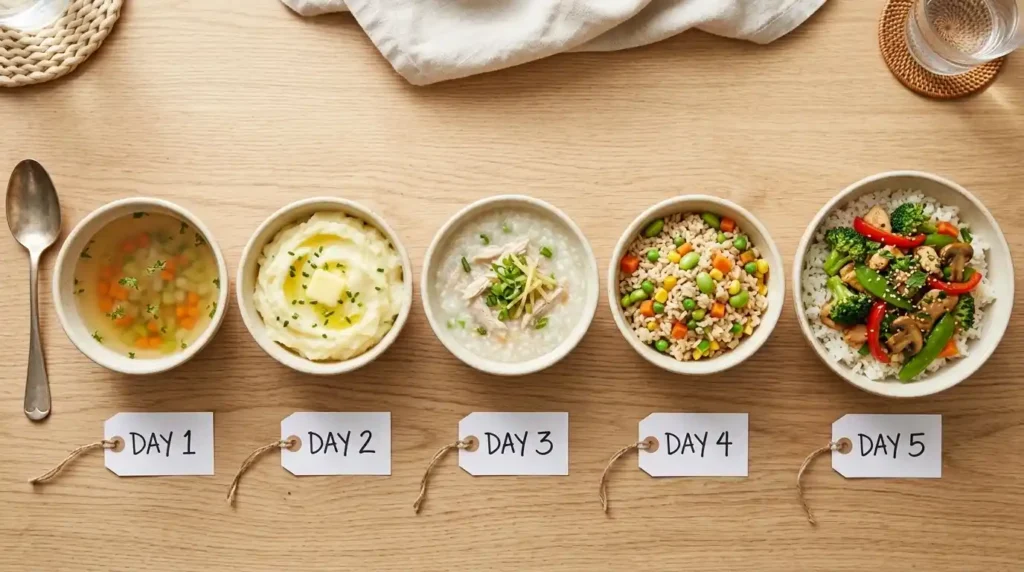
Recovery isn’t a single switch that flips from “soft foods only” to “eat anything.” It moves in stages, and rice fits into that timeline differently depending on where you are.
Day 1: Stick to liquids and foods that need zero chewing, like broth, smoothies without a straw, applesauce, and yogurt. Rice is off the table today, even the mushy kind, because the extraction site is at its most fragile and a floating grain can land right in the socket.
Day 2: Most dentists still recommend holding off. Your mouth is swollen, you may still be a little numb, and you’re not yet in a position to feel exactly where food is going. Mashed potatoes, scrambled eggs, and pureed soups are safer bets.
Day 3 to 5: This is when rice usually gets the green light, provided it’s overcooked to the point of being almost sticky-soft, served lukewarm, and eaten in small spoonfuls on the opposite side from your surgery site. Many people ask specifically, can I eat rice 3 days after wisdom teeth removal, and for most straightforward extractions the answer is yes, with the caveats above.
Day 6 and beyond: Swelling has usually dropped, and you can eat rice more normally, alongside other soft solids like pasta, tender shredded meat, and steamed vegetables. If you had a lower wisdom tooth removed, or your extraction was more involved, your surgeon may ask you to wait a few extra days.
Everyone heals at their own pace, so treat these as general markers, not a countdown clock. If chewing still hurts on day 4, wait until day 6.
Why Rice Can Be Risky for a Healing Extraction Site
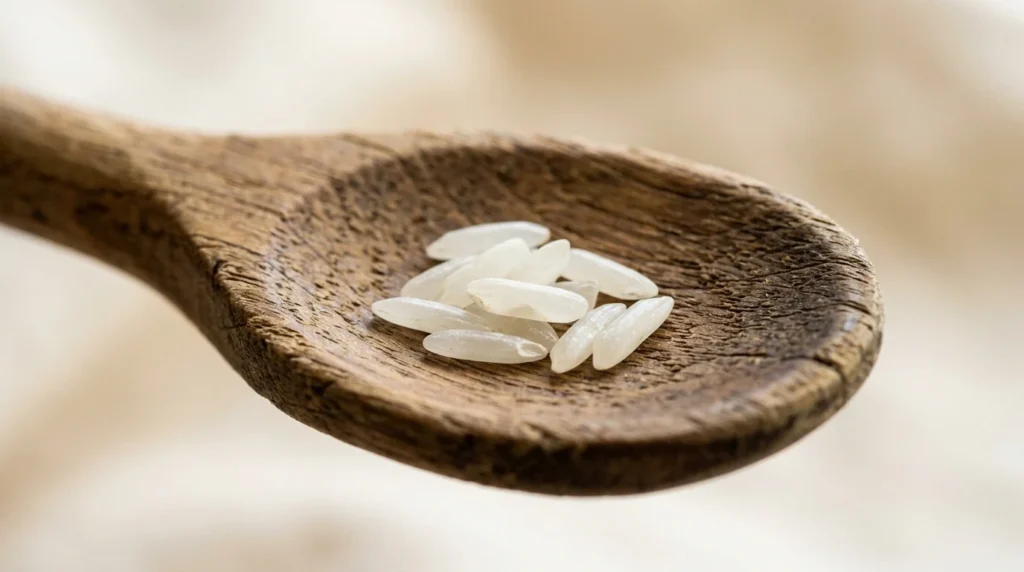
Rice seems like the obvious soft-food choice. It requires almost no chewing, it’s bland, and it’s a staple in most kitchens already. So why do so many dentists hedge on it?
The issue isn’t texture, it’s size and shape. After extraction, a blood clot forms inside the empty socket, and that clot is what protects the bone and nerve underneath while new tissue grows in. Individual rice grains are small enough to slip past your tongue and lodge directly in that opening, especially in the lower jaw, where the sockets sit deeper and gravity works against you. Once a grain is stuck, it’s uncomfortable, it’s hard to remove without disturbing the clot, and in the worst case it can contribute to an infection or a dry socket, the painful condition that happens when the clot dislodges too early.
This is why the advice you’ll find online is split. Some sites say rice is fine from day one, others say wait a full week. The honest middle ground is that plain, well-cooked white rice eaten carefully after the first 48 hours is a reasonable choice for most people, while dry, chewy, or seed-flecked rice dishes are not worth the risk until you’re further along.
How to Cook Rice So It’s Safe After Wisdom Teeth Removal
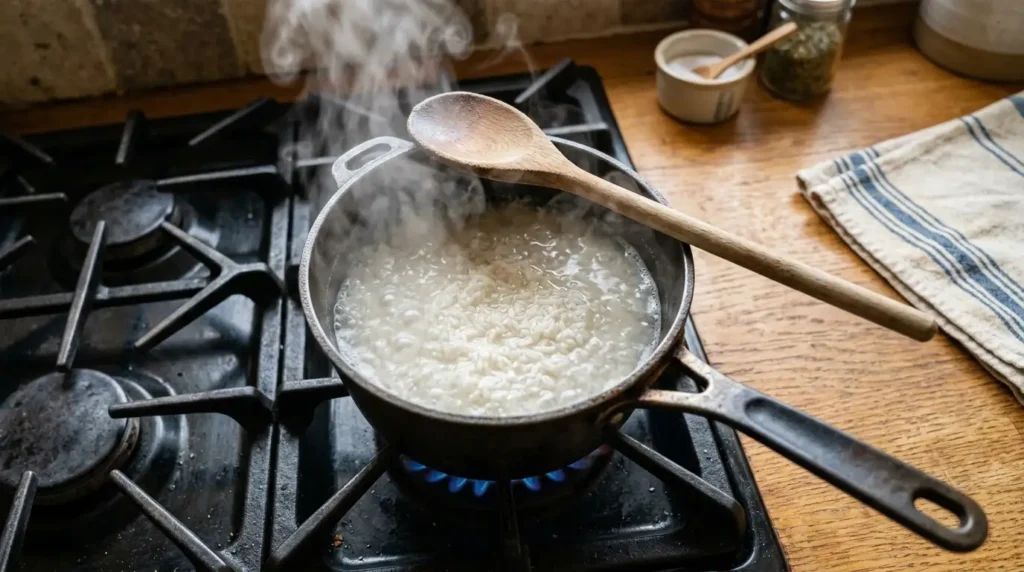
If you cook rice the way you normally would, for a fluffy side dish with separate grains, it’s more likely to scatter loose bits around your mouth. A few adjustments make it far gentler on a healing socket.
- Add extra water. Use roughly 25 to 50 percent more liquid than your usual ratio, and let the rice simmer a bit longer than the package suggests. You’re aiming for a texture closer to congee or risotto than a dry pilaf.
- Cook it past “done.” A few extra minutes on low heat, with the lid on, breaks the grains down further so they clump instead of separating.
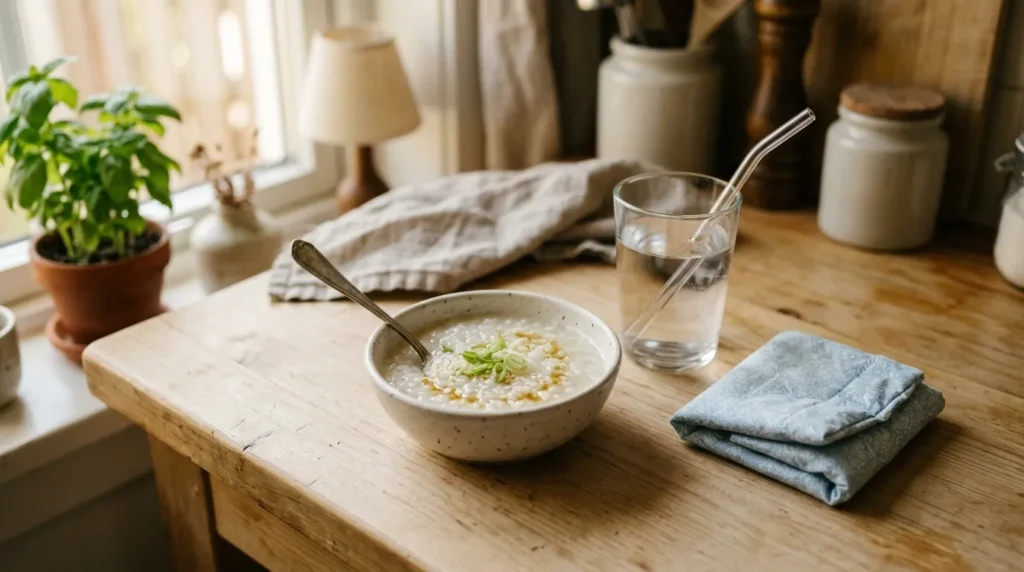
- Mash or blend a portion. Running cooked rice through a fork, a potato masher, or even a quick pulse in a blender with broth turns it into something closer to porridge, which all but eliminates the loose-grain problem.
- Serve it lukewarm, not hot. Heat increases blood flow to the area and can encourage bleeding, so let rice cool for a few minutes before eating.
- Skip the crunchy toppings. Sesame seeds, fried garlic, crispy onions, and nuts are common rice add-ins that are exactly the wrong texture right now.
This is the same logic professional kitchens use when cooking rice for very young children or anyone with swallowing difficulties: extra moisture and extra cook time turn a grain-based food into something soft enough to be forgiving.
Best Rice Types After Wisdom Teeth Removal, and Ones to Skip
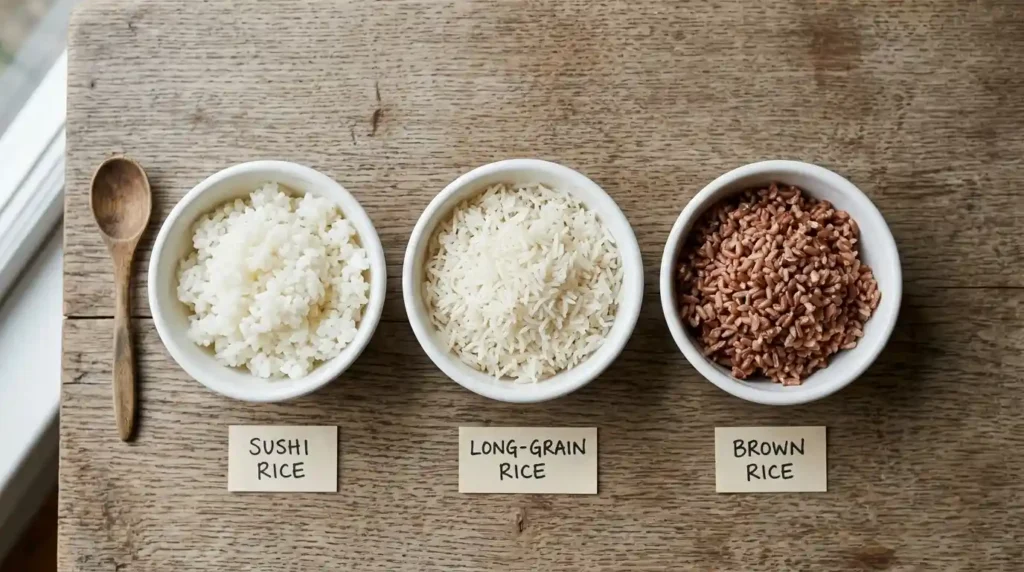
Not all rice behaves the same way once it’s in your mouth.
Good choices: Short-grain white rice, sushi rice, and jasmine rice all cook up softer and stickier than other varieties, which works in your favor here. Rice porridge, congee, and rice pudding are excellent options because they’re already broken down and easy to swallow with minimal chewing.
Use caution: Long-grain white rice is fine once well-cooked and mashed, but it tends to stay looser and more separate, so take extra care with portion size and chewing side.
Better to wait on: Brown rice, wild rice, and quinoa mixed with rice stay noticeably chewier no matter how long you cook them, and they shed small, firm fragments that are more likely to work their way into a socket. Fried rice is also worth delaying, since it’s typically drier, includes hard vegetable pieces, and is served at a higher temperature than freshly steamed rice.
What to Eat With Your Rice While You Heal
Rice on its own gets boring fast, and pairing it with the right sides keeps meals interesting without adding risk.
- Well-cooked, shredded chicken or fish folded into soft rice
- Pureed or well-mashed vegetables like carrots, squash, or peas
- A soft-scrambled egg stirred through warm rice
- A ladle of broth poured over rice to loosen the texture further
- Plain yogurt or a mild sauce for extra moisture and flavor
Keep seasoning gentle too. Spicy, acidic, or very salty additions can irritate the extraction site, so save the hot sauce and citrus for later in your recovery.
When to Call Your Dentist
Mild discomfort while eating during the first week is normal. It’s time to call your dentist or oral surgeon if you notice worsening pain a few days after surgery instead of gradual improvement, a foul odor or taste that doesn’t clear with rinsing, visible food debris that won’t dislodge with gentle rinsing, or fever, excessive swelling, or bleeding that won’t stop. These can be signs of an infection or dry socket, both of which need professional attention rather than home remedies.
Rice can absolutely stay on the menu while your mouth heals. Give it a few days, cook it soft, eat it slowly, and your favorite comfort food will be back in regular rotation before you know it.
Can I eat rice 3 days after wisdom teeth removal?
For most people, yes. By day 3, the initial clot is more stable, and soft, well-cooked rice eaten slowly and away from the surgery site is generally considered safe. If your extraction was complicated or you’re still in significant pain, it’s fine to wait an extra day or two.
Can I eat fried rice after wisdom teeth removal?
It’s best to wait until at least a week after surgery, and longer if your fried rice includes hard vegetables, nuts, or crispy bits. The drier texture and mixed ingredients make it easier for small pieces to get trapped near the extraction site.
Can I eat rice pudding right after surgery?
Rice pudding is one of the gentler rice-based options because the rice is cooked down and mixed with milk, making it smooth and easy to swallow. Many people tolerate it earlier than regular steamed rice, though it’s still smart to wait until any local anesthesia has fully worn off before eating anything.
What happens if rice gets stuck in the extraction site?
Rinse gently with warm salt water rather than poking at the area with your tongue, a toothpick, or a brush. If the grain doesn’t clear on its own after a gentle rinse, or if you notice increasing pain, swelling, or a bad taste that doesn’t go away, call your dentist rather than trying to dig it out yourself.