
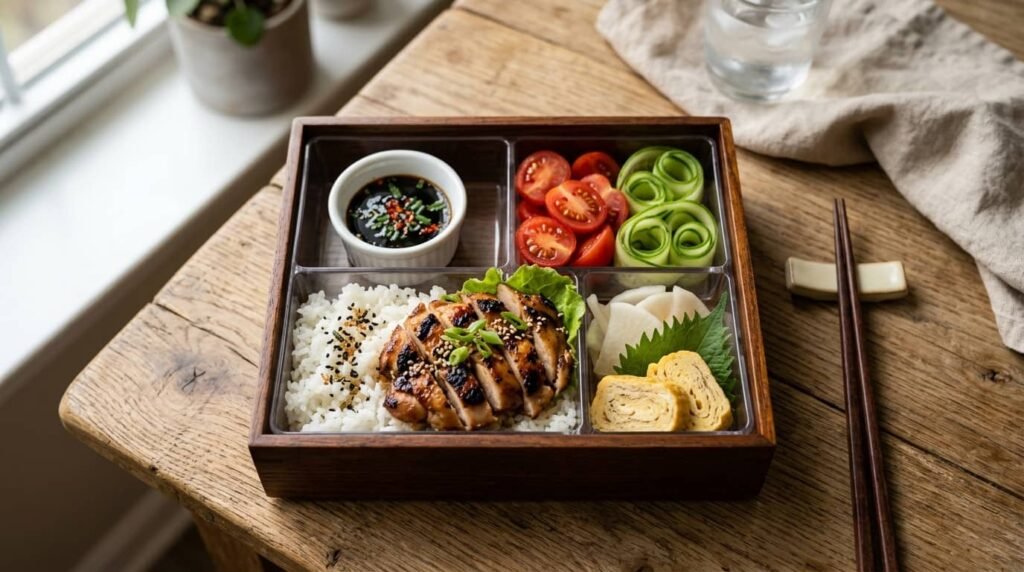
Bento Box Meals: A Complete Guide to Balanced, Prep-Ahead Lunches
Bento box meals are single-portion lunches packed into a divided container so each food group stays separate, portioned, and easy to grab on your way out the door. What started as a Japanese tradition centuries ago has turned into one of the most popular ways to pack lunch for work, school, or a day of travel, mostly because it solves two problems at once: portion control and boredom. Instead of a sandwich crammed into a paper bag, you get a little grid of proteins, carbs, and produce that actually looks like a meal.
If you’ve been eyeing the colorful bento photos on Pinterest and wondering how to build one yourself without turning it into a two-hour art project, this guide breaks down exactly what goes in, how to prep a week’s worth in one sitting, and which container actually keeps things fresh.
Quick Answer: What Goes in a Bento Box Meal?
A solid bento box meal has four parts: a protein (chicken, eggs, tofu, deli meat), a carb (rice, noodles, crackers, whole grain bread), vegetables or fruit for color and fiber, and a small dip or sauce kept in its own compartment. Fill roughly half the box with vegetables and fruit, a quarter with protein, and a quarter with carbs, then pack it into a leak-proof container with at least three sections. That’s the whole formula — everything else is just swapping ingredients to match your taste or diet.
What Is a Bento Box, Exactly?
A traditional bento is a single-portion Japanese meal packed into a divided container, and it dates back to the Kamakura period in the twelfth century, when travelers carried dried rice for the road. Over time it evolved into the compartmentalized lunch format most people picture today: a base of rice or noodles, a protein like grilled fish, chicken, or tamagoyaki (a sweet rolled omelet), and an assortment of pickled or cooked vegetables. Western versions have loosened up considerably. You’ll now see bento-style lunches built around sandwiches, hummus and veggies, or even breakfast foods like yogurt and granola, all following the same core idea of separating foods into their own little zones.
The separation isn’t just for looks. Keeping wet ingredients away from dry ones (dressing away from lettuce, hummus away from crackers) stops everything from turning to mush by lunchtime, and it slows bacterial growth compared to foods piled together.
The Building Blocks of a Balanced Bento Box Meal
Every good bento box meal, no matter the cuisine it borrows from, comes down to the same four categories.
Protein. Deli turkey or ham, grilled chicken, hard-boiled eggs, edamame, tofu, or a scoop of chickpea salad all work well cold or at room temperature. Aim for 15–30 grams to keep the meal filling.
Carb or grain. Rice, soba noodles, whole grain crackers, pita rounds, or a small roll. This is the section to portion carefully if you’re watching carbs — a half-cup of cooked rice or pasta is the standard single serving.
Vegetables and fruit. Cherry tomatoes, cucumber slices, carrot sticks, snap peas, berries, apple slices, or mandarin segments. This should be the largest section of the box, both for volume and for the vitamin A and C that round out the meal.
Dip or dressing. Hummus, ranch, nut butter, or a light vinaigrette in its own small cup. Keeping sauces separate is the single biggest trick to a bento box that still looks appetizing after sitting in a bag or fridge for a few hours.
Mixing and matching within these four categories is really the entire game. A Mediterranean-inspired box might pair hummus, pita, cucumbers, and olives, while a Tex-Mex version could use black beans, tortilla strips, salsa, and bell peppers.
How Many Calories Are in a Typical Bento Box Meal?
A homemade bento box meal generally lands between 400 and 700 calories, depending on the protein and carb portions, with 15–30 grams of protein per box being typical. Because the format naturally separates food into visual portions, it’s easier to eyeball whether you’re getting a balanced plate compared to a meal piled onto one surface. If you need more calories for an active day, add a second small carb or a snack-sized compartment rather than overloading the main sections — that keeps the meal balanced instead of just bigger.
Easy Bento Box Meal Ideas to Try This Week
You don’t need fancy technique to make a bento box meal look and taste good. A few reliable combinations:
- Turkey and hummus: deli turkey, hummus, mixed veggies, and a cheese stick.
- Egg and cheese: hard-boiled eggs, sliced cheddar, apple slices, and grapes.
- Chickpea salad: mashed chickpeas with lemon, curry powder, and dill served over lettuce with crackers on the side.
- Meat and cheese: think charcuterie board, scaled down — kielbasa or salami, cheddar, crackers, and berries.
- Mini pizzas: small pita rounds topped with sauce, mozzarella, and mini pepperoni, packed cold and eaten as-is or reheated.
- Breakfast bento: overnight oats or a mini muffin, yogurt, granola, and fresh berries for mornings you’re rushing out the door.
None of these require cooking anything you wouldn’t already make for a regular lunch — the difference is entirely in how you portion and pack it.
How to Meal Prep Bento Box Meals for the Week
Bento box meals are one of the easier lunches to batch. Cook or prep your proteins and grains in bulk on one day (grilled chicken, hard-boiled eggs, cooked rice), wash and chop vegetables and fruit, then assemble each box fresh the morning you’ll eat it, or the night before if you’re not adding anything crunchy that could go soft. Store sauces and dips in their own small containers until serving time, and keep the assembled boxes refrigerated. Most homemade bento box meals stay fresh in the fridge for up to five days, which makes a single Sunday prep session enough for the whole work week.
A few habits make prepped bento boxes hold up better:
- Pack ingredients that are naturally sturdy — raw veggies, whole fruit, cured meats, hard cheese — toward the bottom or edges, and anything delicate toward the top.
- Use paper liners or small silicone cups inside compartments to add extra separation without buying more containers.
- Don’t add dressing, dip, or anything liquid to the main compartments until you’re ready to eat.
Choosing the Right Bento Box Container
The container matters almost as much as what’s inside it. Look for at least three compartments so protein, carb, and produce each get their own space, and check that the lid actually seals — a snap-lock lid with a silicone gasket will survive a bag ride to work far better than a simple friction-fit lid. Glass containers are a sturdy, microwave-safe option for reheating, while BPA-free plastic is lighter and cheaper if you’re packing lunch for kids. If you’re prepping full meals rather than snacks, a taller container with five compartments gives room for a dip cup and a side without needing a second box.
Frequently Asked Questions
Why should I use a bento box instead of a regular lunch container?
A bento box’s built-in compartments make portion control automatic and keep ingredients from mixing, so a sandwich doesn’t get soggy sitting next to fruit. It also naturally pushes you toward a more balanced lunch, since you’re filling separate sections for protein, carbs, and produce rather than defaulting to whatever’s easiest to throw in a bag.
How do I keep bento box food from getting soggy?
Keep wet ingredients like dressing, hummus, or fruit with high water content in their own small compartments or sauce cups until you’re ready to eat. A tight-sealing lid and, if needed, a paper liner between compartments will also help keep moisture from traveling between sections.
How many compartments should a bento box have?
Three compartments cover the basic protein, carb, and vegetable split, but five compartments give you extra room for fruit, a dip, or a small snack without crowding the main sections.
Can bento box meals be made ahead of time?
Yes. Most homemade bento box meals hold up in the fridge for up to five days when stored in a sealed, leak-proof container, which makes them well suited to a single weekly prep session rather than daily assembly.
Pick two or three combinations from this list, prep the components in bulk, and you’ll have a week of lunches that took less effort than making one sandwich every morning.

Pingback: 4 oz Chicken Breast: Calories, Protein & How to Cook It