How Long Does Cheesecake Last in the Fridge?
How long does cheesecake last in the fridge? A homemade cheesecake stays good for about 5 to 7 days once it’s wrapped well and kept cold, and a store-bought one can sometimes go a little longer thanks to the preservatives bakeries use. That’s the short version. The real answer depends on a few things: whether you baked it yourself or bought it, whether it has fresh fruit on top, and how well you’ve sealed it against everything else in your fridge. Below are the exact timelines, a storage method that actually works, and the signs that tell you it’s time to let a slice go.
So, How Long Does Cheesecake Actually Last in the Fridge?
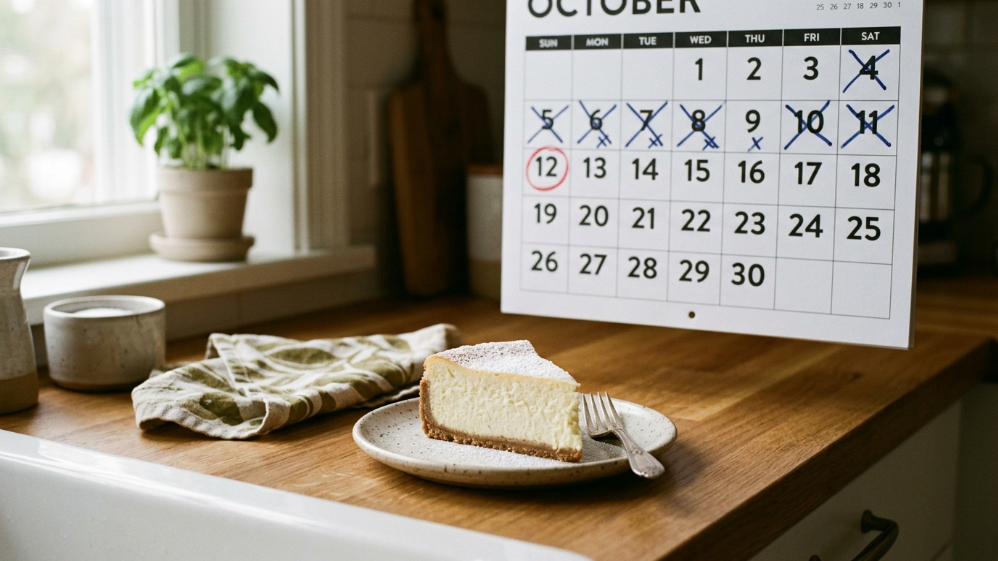
Properly stored, a homemade cheesecake is good in the refrigerator for 5 to 7 days. Store-bought cheesecake that’s still sealed can often stretch close to a week too, sometimes a little longer while unopened, though the “best by” date on the box is worth following once you’ve got one in hand.
If you want to eat it at its absolute best rather than just safely, aim for the first 3 to 4 days. The texture stays firmest and the crust hasn’t had time to soften from fridge moisture yet. After that, it’s typically still fine through day 5, 6, or 7, but quality starts sliding well before safety becomes the real concern.
Quick reference:
- Homemade cheesecake, wrapped and refrigerated: 5 to 7 days
- Store-bought cheesecake, unopened: close to a week, check the printed date
- Cheesecake with fresh fruit or a fruit swirl: 3 to 4 days
- Cheesecake left out longer than 2 hours: refrigerate it now, but eat it soon and watch closely for spoilage signs
Homemade vs. Store-Bought Cheesecake: Which Lasts Longer?
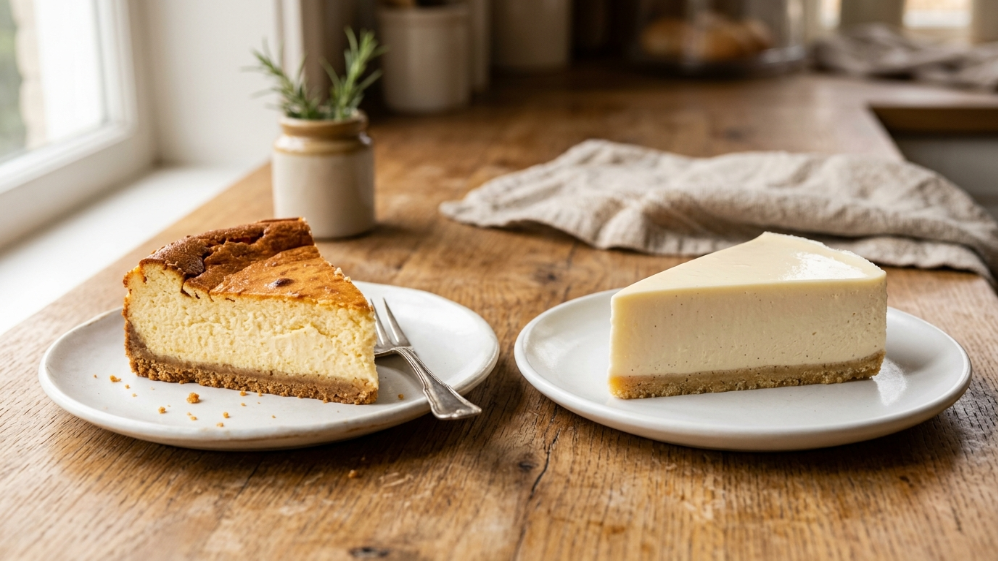
Store-bought cheesecake usually wins on paper. Bakeries and food manufacturers add stabilizers and preservatives that homemade recipes don’t use, which is why an unopened, packaged cheesecake can sit safely in the fridge for close to a week before you’ve even touched it.
Once you cut into it, though, that advantage mostly disappears. An opened store-bought cheesecake and a homemade one behave about the same from that point on: give both roughly 5 to 7 days, wrapped tightly, before quality and eventually safety become a real question.
The one number worth remembering is the “use by” or “best by” date on a packaged cheesecake. That date is set by the manufacturer for the unopened product, so once the seal is broken, treat the fridge clock as reset and go by the general guidelines instead.
Does It Matter If It’s Baked or No-Bake?
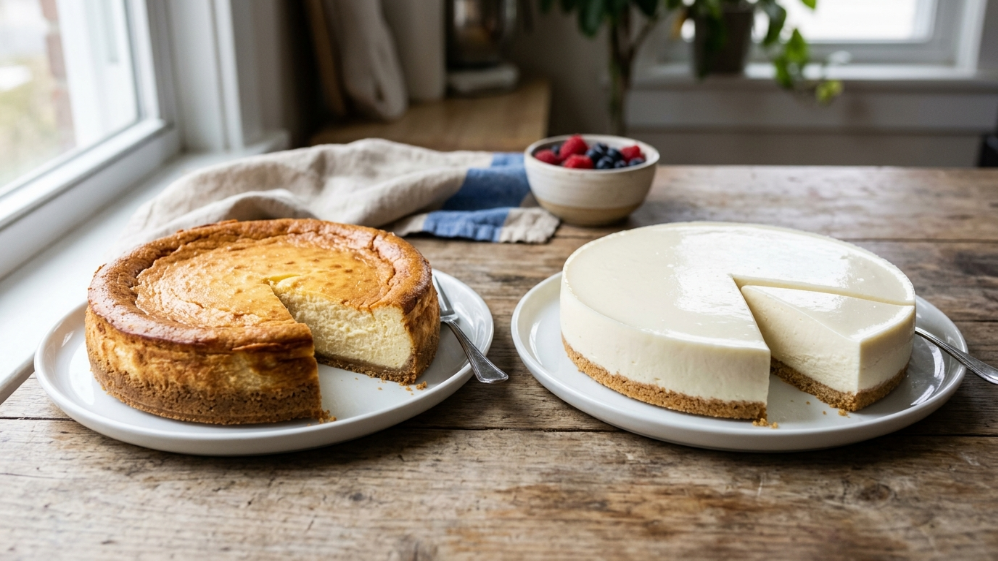
You’ll see this debated a lot, and honestly, what’s mixed into the recipe matters more than the baked-versus-no-bake label itself. Baked styles like a classic New York cheesecake are cooked all the way through, which handles the eggs in the batter, while no-bake versions usually skip eggs entirely and set with cream cheese, whipped cream, and sometimes gelatin instead.
In practice, both styles land in roughly the same 5 to 7 day window in the fridge, as long as they’re stored the same way. What changes the math more than the baking method is what’s folded into the filling or piled on top, things like fresh berries, a fruit compote, or a whipped topping. Those shorten the safe window regardless of how the base was made.
How to Store Cheesecake in the Fridge So It Actually Stays Fresh
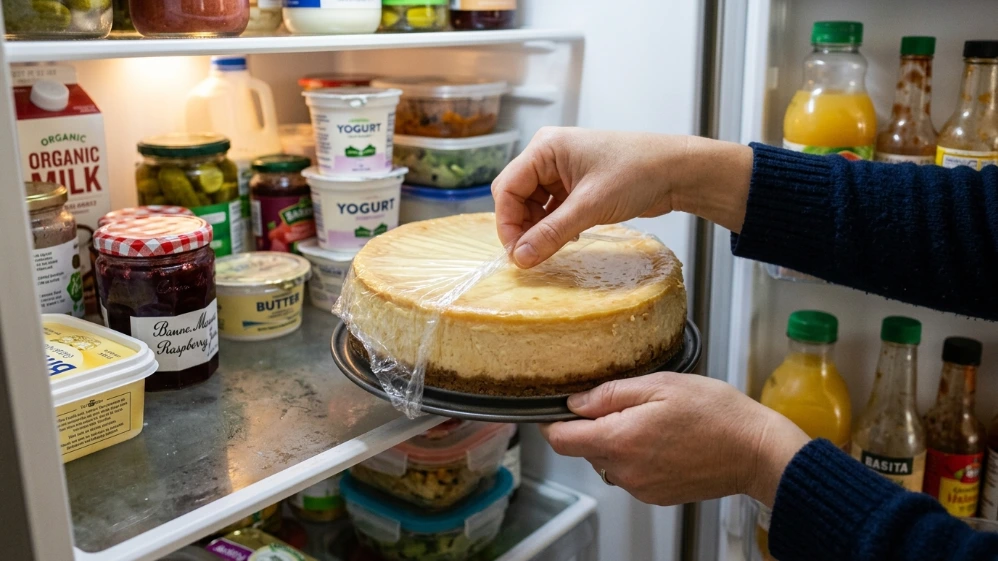
Getting a few extra days out of your cheesecake comes down to how you wrap it, not some special trick.
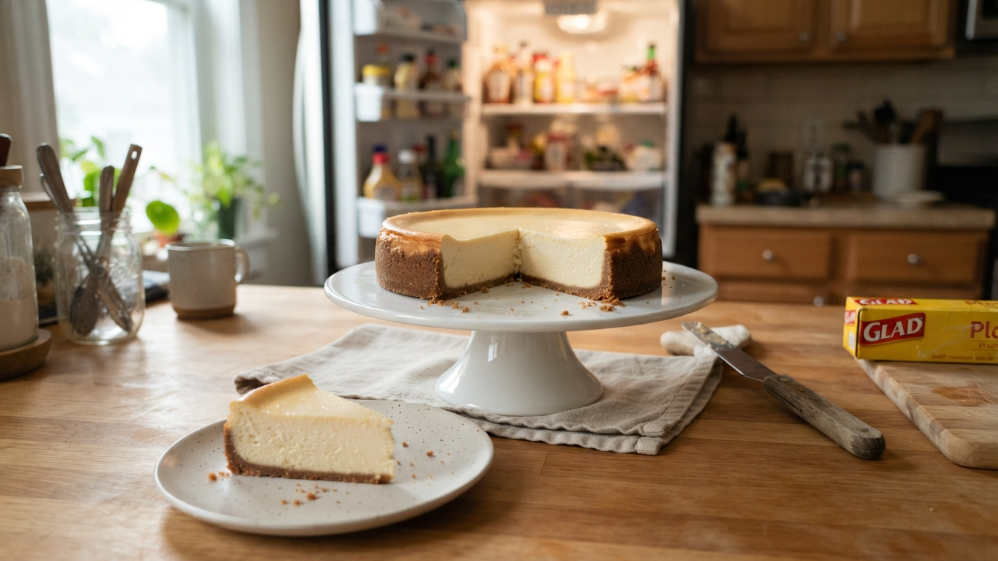
If it just came out of the oven, let it cool at room temperature first, about an hour is usually enough, then get it into the fridge. Wrap the whole cake, or the cut side of a partial one, tightly in plastic wrap. If there’s a delicate topping like whipped cream or a glaze, lay a sheet of parchment or wax paper between the topping and the wrap so nothing sticks and pulls off when you unwrap it later. A cake carrier or a deep airtight container works even better than plastic wrap alone, since it seals out air completely.
One thing that trips people up in my own kitchen more than anything else: cheesecake’s high fat content makes it act like a sponge for smells. Keep it away from onions, garlic, or last night’s leftovers, and store it toward the back of the fridge where the temperature stays steady, not in the door where it swings every time someone opens it.
Can You Freeze Cheesecake?
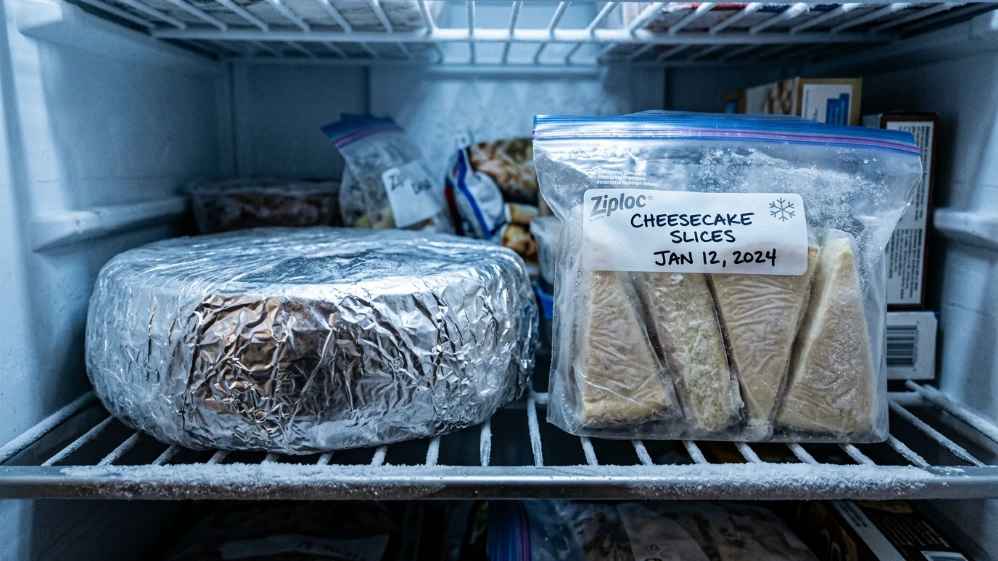
Yes, and it freezes better than most desserts. Cheesecake’s dense, high-fat texture holds up well, with only a slight softening at the crust in most cases.
For the best quality, plan to eat frozen cheesecake within 1 to 3 months. It’s technically still safe well past that if your freezer holds a steady 0°F, since freezing at that temperature stops bacterial growth entirely, but texture and flavor do fade the longer it sits. Most guidance puts the outer edge of good quality somewhere between 2 and 6 months, depending on how well it’s wrapped.
To freeze it, chill the cheesecake fully first, wrap it tightly in plastic wrap, then add a layer of foil over that, or use a freezer bag for individual slices. Skip freezing any fresh fruit topping with it and add that after thawing instead, since fruit turns watery and loses texture in the freezer. When you’re ready to eat it, thaw overnight in the fridge rather than on the counter. That keeps it out of the temperature range where bacteria multiply fastest.
What Actually Shortens Cheesecake’s Shelf Life
A few specific things knock days off the timelines above.
Fresh fruit toppings or fillings. Berries, fruit compote, or a fruit swirl add moisture and sugar that both bacteria and mold feed on. A cheesecake with fresh fruit is safest treated as a 3 to 4 day dessert, not a 5 to 7 day one.
Time spent in the “danger zone.” Between 40°F and 140°F is where bacteria multiply fastest, and general food safety guidance holds that perishable food like cheesecake shouldn’t sit in that range for more than 2 hours. A party where the cake sits out for hours eats into its fridge life afterward, even if it looked completely fine the whole time.
Repeated cutting and exposure. Every time a slice comes out, the cut surface is exposed to air and whatever else is in the fridge. Pressing plastic wrap directly against that cut edge each time you put it back helps more than most people expect.
Do Cheesecake Bars, Bites, or Slices Last as Long as a Whole Cake?
Not quite, and it comes down to surface area. A whole, uncut cheesecake only has one exposed surface, the top, while individual slices, bars, or bite-sized mini cheesecakes have several cut sides exposed to air and fridge moisture at once.
That extra exposure means cut portions tend to dry out or pick up fridge odors a little faster than a sealed whole cake, even though the underlying safety timeline doesn’t really change. Give cheesecake bars and mini cheesecakes the same 5 to 7 day window you’d give a full cake, but store them in a single layer in an airtight container rather than stacked or loosely covered. Expect the texture to hold up best in the first 3 to 4 days, similar to a cheesecake topped with fresh fruit.
Common Questions About Cheesecake Storage
A few more things readers ask us about cheesecake and the fridge.
Is It Safe to Eat Cheesecake Left Out Overnight?
No, it’s best to let it go. Cheesecake is a dairy and egg-based food, and soft, cream-cheese-based desserts are among the foods most associated with listeria, a bacteria that can grow even at fridge temperatures, let alone on a counter overnight. The 2-hour rule applies regardless of how the cake still looks, since bacteria that cause food poisoning don’t reliably change smell, taste, or appearance. If it slipped your mind overnight, the safest move is to toss it rather than risk it.
How Can You Tell If Cheesecake Has Gone Bad?
Trust your senses over the calendar. Fresh cheesecake smells mildly sweet and tangy, so a sour, sharp, or otherwise “off” smell is the first red flag. Look next for any mold, even a small fuzzy spot means the whole cake should go, since mold spreads further than what’s visible on the surface. A slimy film or watery texture is another clear sign it’s time to toss it.
Does Cheesecake With Fruit Topping Spoil Faster?
Yes. Fresh fruit adds extra moisture and natural sugars, both of which give mold and bacteria more to work with. Treat any cheesecake with fresh berries, a fruit swirl, or a fruit-based glaze as good for about 3 to 4 days rather than the full week you’d give a plain one. If you’re making one ahead for an event, adding the fruit topping just before serving buys you more flexibility.
Should You Cover Cheesecake Tightly in the Fridge?
Cover it, but be thoughtful about what touches the top. Plastic wrap pressed directly onto a smooth, plain surface is fine, but if there’s whipped cream, a glaze, or any decoration, let it chill uncovered for 20 to 30 minutes first so the surface firms up, or use a sheet of parchment paper as a barrier so the wrap doesn’t stick and pull the topping off when you remove it.
Cheesecake is forgiving as desserts go, but it’s still a dairy and egg-based food, so when the smell, texture, or your gut says something’s off, it’s not worth the gamble for one slice. Wrap it well, keep it cold and away from strong smells, and most recipes will give you a full week of good cheesecake. Got a cheesecake recipe you want storage advice on specifically? Drop it in the comments and we’ll help you figure out exactly how long it’ll keep.