Colonel Taylor Small Batch: The Complete 2026 Guide
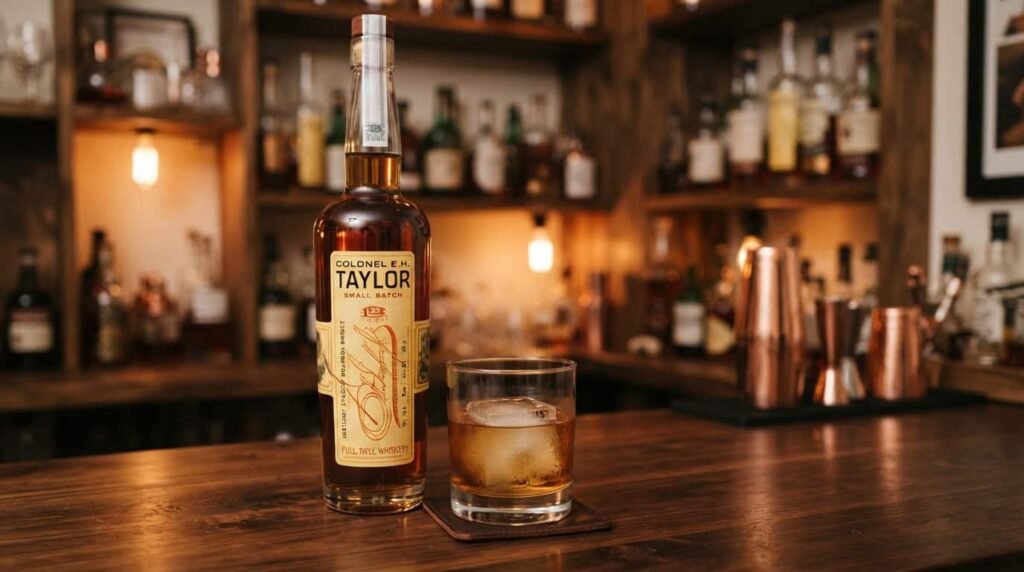
Colonel Taylor Small Batch is the bourbon that gets handed to you the moment someone finds out you’re into whiskey, and for good reason. It’s the entry point into the Colonel E.H. Taylor lineup from Buffalo Trace, and it manages to punch well above its price bracket. If you’ve been staring at that gold-and-black tube on a liquor store shelf, wondering whether it’s worth grabbing, here’s everything you actually need to know before you buy, pour, or sip.
What Is Colonel Taylor Small Batch, Exactly?
Colonel Taylor Small Batch is a Kentucky Straight Bourbon Whiskey made at Buffalo Trace Distillery in Frankfort, Kentucky, and bottled under the Bottled-in-Bond Act. That means it’s made in a single distilling season at a single distillery, aged at least four years in a federally bonded warehouse, and bottled at exactly 100 proof (50% ABV). No age statement appears on the label, but most tasters and industry sources put it at 6 to 8 years old, roughly in line with other Buffalo Trace releases like Eagle Rare.
It’s built from Buffalo Trace’s Mash Bill #1, the same higher-corn, lower-rye recipe used for Buffalo Trace bourbon, Eagle Rare, and Stagg Jr. That shared DNA is why fans of any of those bottles tend to gravitate toward this one too.
Who Was Colonel E.H. Taylor, and Why Does His Name Matter?
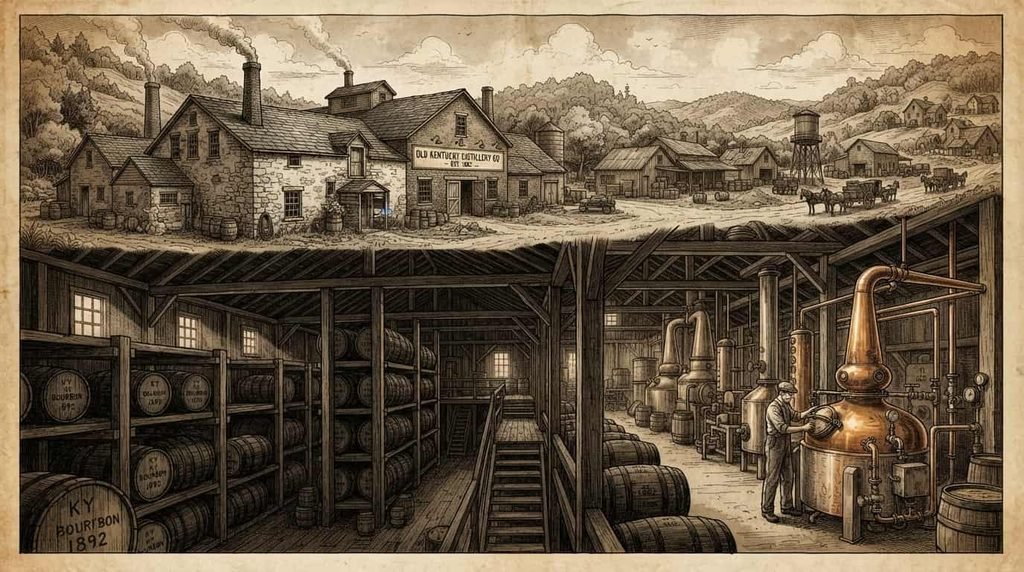
The bottle isn’t just branding. Edmund Haynes Taylor, Jr. was a real 19th-century distiller often called the father of the modern bourbon industry. After the Civil War, he bought a Frankfort distillery he named O.F.C. (Old Fire Copper), a site that eventually became Buffalo Trace. He’s credited with modernizing fermentation and grain-handling equipment, building the steam heating systems still used in bourbon warehouses today, and pushing Congress to pass the Bottled-in-Bond Act of 1897, the law that still defines the category his own bourbon is sold under. Buffalo Trace launched the E.H. Taylor line in 2011 specifically to honor that legacy, and Small Batch has been the brand’s cornerstone bottle ever since.
Proof, Age, and What’s in the Glass
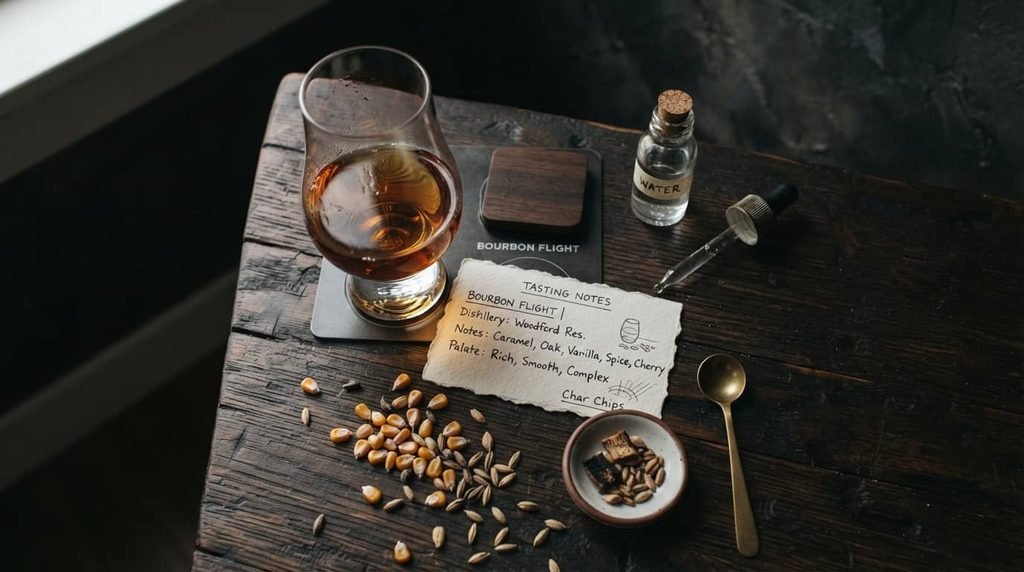
Here’s the quick technical rundown for Colonel Taylor Small Batch:
- Proof: 100 (50% ABV), guaranteed by Bottled-in-Bond law
- Age: No age statement, generally believed to be 6 to 8 years
- Mash bill: Buffalo Trace Mash Bill #1 (corn, rye, malted barley)
- Distillery: Buffalo Trace, Frankfort, Kentucky
- Filtration: Chill-filtered before bottling
- Format: 750ml, sold in a signature vintage-style tube
That 100-proof floor is a big part of why this bourbon tastes richer and more assertive than a standard 80 to 90 proof pour. The extra alcohol carries more flavor without pushing into the burn territory you’d expect from a barrel-proof release.
Tasting Notes: Nose, Palate, and Finish
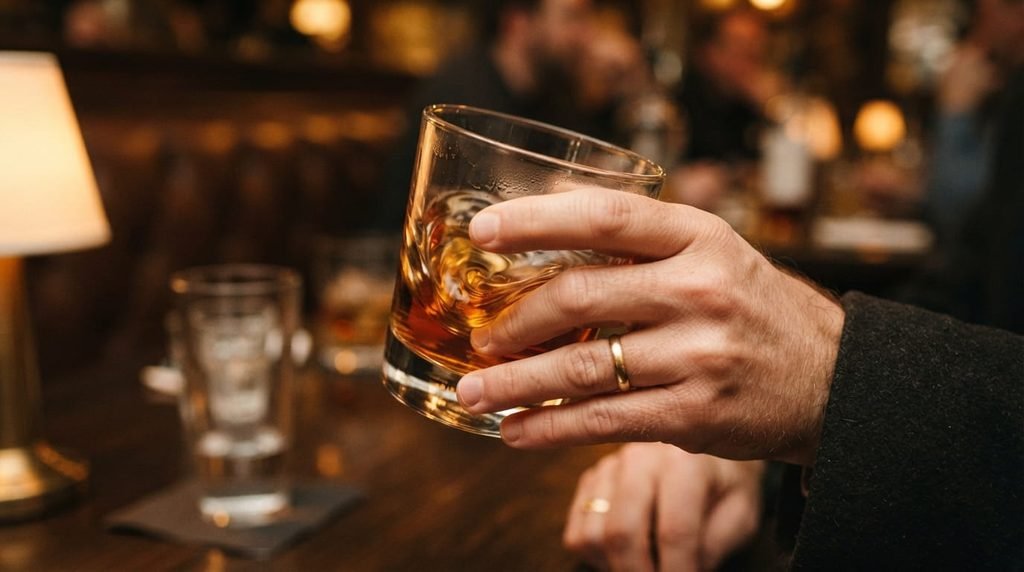
Reviewers are remarkably consistent on this one, which says something about how well-blended each batch is. On the nose, expect caramel corn, baked toffee apple, cherry, vanilla, and a touch of cinnamon, with light oak and toasted almond underneath. Some tasters also pick up orange zest and a faint chocolate note as it opens up in the glass.
On the palate, caramel and butterscotch lead, followed by dark cherry and dried fruit, a nutty walnut-oil quality that’s unusual for a Buffalo Trace product, and black pepper spice building through the middle. The finish is warm and lingering, with oak, a little licorice, and a peppery, slightly tobacco-like tail that keeps it interesting past the last sip.
Compared to standard Buffalo Trace bourbon, the extra proof here just lets everything hit harder and last longer, without tipping into hot or unbalanced.
Quick Answer: Is Colonel Taylor Small Batch Worth It?
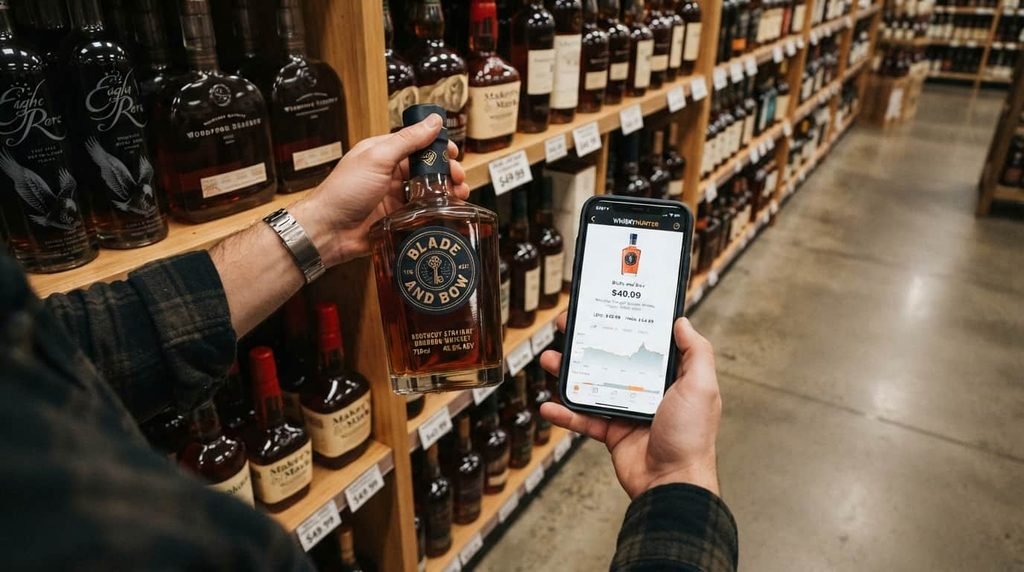
Yes, at or near its suggested retail price of roughly $40 to $50, Colonel Taylor Small Batch is one of the better value bourbons on the market: full-proof, well-aged, and consistently rated among the top entry-level Bottled-in-Bond releases. Once secondary market prices climb toward $70 to $80, it’s still good, but you’re paying more for scarcity than for what’s actually in the bottle.
That distinction matters because this bourbon rarely sits on shelves at MSRP for long, so the real question most buyers face isn’t “is it good,” it’s “how much premium am I willing to pay to skip the hunt.”
How Much Does It Cost, and Where Can You Find It?
Suggested retail on Colonel Taylor Small Batch has historically landed around $35 to $45, but real-world pricing tells a different story. Retail listings and price-tracking sites now show it selling anywhere from $60 to $80 at retailers, with some markets pushing higher depending on local allocation rules. A few states, like Virginia, distribute limited allocated bottles through lottery systems, which pushes secondary and out-of-state pricing up even further.
Buffalo Trace doesn’t classify Small Batch as a limited one-off release, so in theory it should be more available than bottles like Cured Oak or the annual Barrel Proof batch. In practice, it’s still allocated in most states because demand across the entire Buffalo Trace portfolio outstrips supply. If you want the best shot at a fair price, build a relationship with a local independent liquor store, ask to be notified when allocation arrives, and avoid paying more than about $10 to $15 over shelf price unless a bottle is genuinely hard to find in your area.
Colonel Taylor Small Batch vs. Blanton’s vs. Single Barrel
It’s the comparison every bourbon shopper eventually runs into, so here’s the short version.
Vs. E.H. Taylor Single Barrel: Small Batch is a blend of selected barrels, which makes it more consistent bottle to bottle, while Single Barrel can vary noticeably in quality depending on which barrel you get. Several reviewers rate the blended Small Batch as the more reliably enjoyable pour, and it’s also usually cheaper, making it the better everyday buy.
Vs. Blanton’s Original Single Barrel: Blanton’s is bottled lower, at 93 proof (46.5% ABV), using Buffalo Trace’s other mash bill, the wheat-free Mash Bill #2. That gives Blanton’s a smoother, more citrus-and-honey profile, while Colonel Taylor Small Batch leans spicier and bolder thanks to its higher proof and rye content. Neither is objectively better; it comes down to whether you want a gentler sipper or a bourbon with more backbone.
Vs. Eagle Rare: Eagle Rare shares the same Mash Bill #1 but is bottled at a lower 90 proof with a 10-year age statement, giving it a softer, more oak-forward character. Colonel Taylor Small Batch trades some of that polish for extra proof and intensity.
How to Drink Colonel Taylor Small Batch
This bourbon is versatile enough to work in several formats, and which one you choose really depends on the occasion.
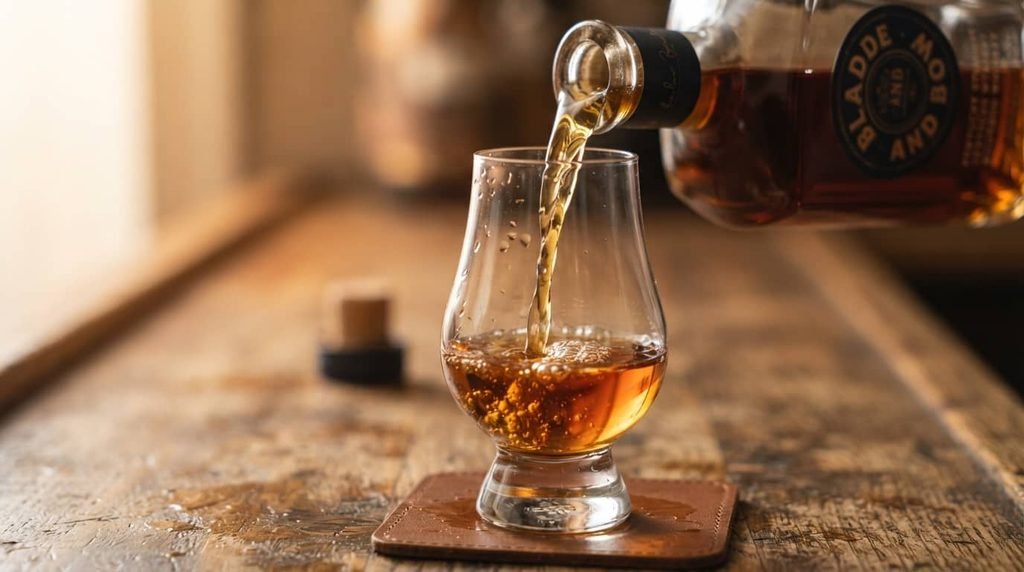
- Neat: The classic choice, and the best way to catch the full range of caramel, fruit, and spice notes without dilution.
- On the rocks: A splash of melt softens the proof slightly and mellows the spice, good for warmer nights or slower sipping.
- Whiskey sour: Bourbon, fresh lemon juice, simple syrup, and an optional egg white for texture. The 100-proof base holds up well against the citrus.
- Hot toddy: Hot water, honey, lemon, and a pinch of cinnamon or clove. A comforting cold-weather pour that lets the caramel and spice notes shine through the warmth.
- Classic Old Fashioned: Sugar, bitters, and a twist. The bourbon’s natural caramel and pepper notes need almost nothing added.
Bartenders and reviewers generally agree it performs best neat or in simple, spirit-forward cocktails rather than anything that buries it under too many competing flavors.
Frequently Asked Questions
Is Colonel Taylor Small Batch Bottled in Bond?
Yes. It meets every requirement of the Bottled-in-Bond Act of 1897: distilled in one season by one distiller at one distillery, aged at least four years in a bonded warehouse, and bottled at exactly 100 proof.
What’s the Difference Between Small Batch and Single Barrel?
Small Batch is a blend of multiple selected barrels for consistency, while Single Barrel comes from just one barrel per bottling, meaning flavor can shift from bottle to bottle. Small Batch is generally the more consistent and more affordable of the two.
Is Colonel Taylor Small Batch Hard to Find?
It’s the most accessible bottle in the E.H. Taylor lineup, but it’s still allocated in most states. Some regions use lottery systems for distribution, and shelf availability can be inconsistent even at stores that regularly carry Buffalo Trace products.
What’s the Best Cocktail for Colonel Taylor Small Batch?
A classic whiskey sour or Old Fashioned lets the bourbon’s caramel, spice, and oak notes come through without overwhelming them. For colder months, a hot toddy is a popular pick among reviewers.
Is Old Taylor the Same as Colonel E.H. Taylor?
No. Both are named after the same historical distiller and both are owned by Buffalo Trace’s parent company, but Old Taylor is a separate, more budget-oriented brand, while Colonel E.H. Taylor is positioned as a premium to super-premium line.
The Bottom Line
Colonel Taylor Small Batch earns its reputation honestly. It’s a Bottled-in-Bond bourbon with real history behind the name, a mash bill shared with some of Buffalo Trace’s most sought-after releases, and a flavor profile that consistently lands among the best value pours in the 100-proof category. If you find it near suggested retail, buy it without hesitation. If you’re paying secondary market prices, it’s still a solid bourbon, just go in knowing you’re paying for scarcity as much as for what’s in the glass.