

Handy Tips Dr Homey Fans Actually Use at Home
If you’ve landed here after seeing “Dr Homey” pop up in your feed, here’s the quick answer: handy tips dr homey isn’t the wisdom of one licensed contractor. It’s a label that’s grown around a specific style of home advice, small, low-cost, no-contractor-required fixes for the stuff that actually breaks in a normal week. We’ve tested a good chunk of these in our own kitchen and around the house, and this guide pulls together the ones that hold up, plus a few the internet keeps repeating without checking.
Quick Answer: What Actually Works From Handy Tips Dr Homey
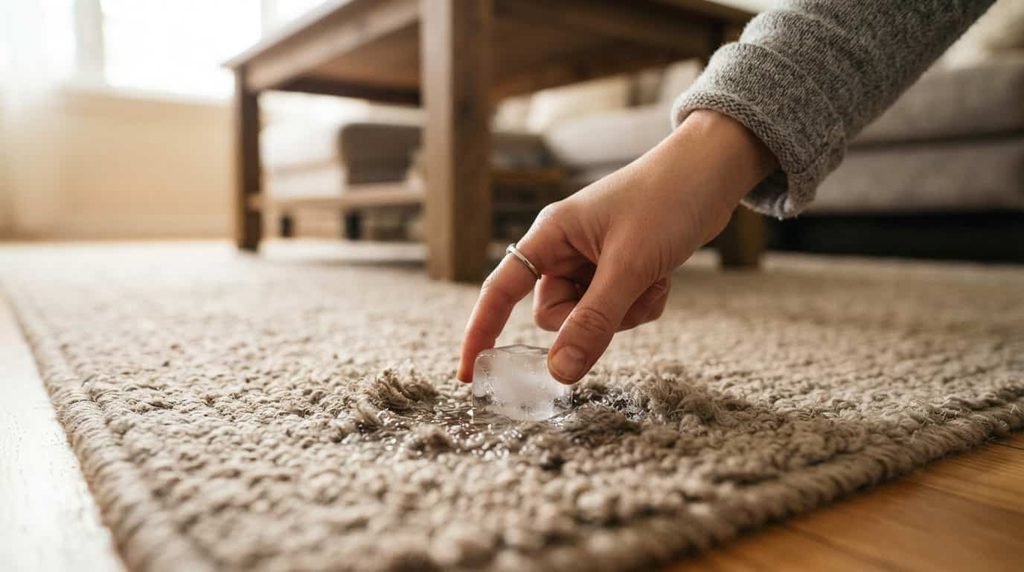
The fastest wins from this whole trend are the ones that need nothing but stuff already in your cupboard: a dab of dish soap on a squeaky hinge, an ice cube pressed into a carpet dent left by furniture, and a baking-soda-and-vinegar pour to unstick a slow drain. None of these need a toolbox. All three take under five minutes, and all three actually solve the problem instead of just masking it for a day.
Is “Dr Homey” a Real Person?
No. If you’ve searched “is Dr Homey a real person,” the honest answer is that it’s a content brand and a persona, not one contractor with a name and a license number. Several home-advice sites use the name as shorthand for a friendly, practical voice, similar to how “Ask a Mom” or “The Handyman’s Corner” work as recurring characters rather than individuals. That doesn’t make the advice worthless, but it does mean you should treat any single Dr Homey post the way you’d treat a stranger’s tip on social media: useful as a starting point, worth double-checking before you rely on it for anything involving gas, water main lines, or your home’s electrical panel.
Kitchen Fixes: The Handy Tips Dr Homey Crowd Actually Repeats
Since we run a kitchen-focused site, this is the category we’ve put through the most real-world testing, and it’s also where handy tips dr homey content tends to be strongest, because kitchens generate more small daily annoyances than any other room.
- Label leftovers as you put them away. A strip of masking tape with the date, not just the contents, saves more food than any storage container ever will. Anything past four days in the fridge gets tossed on sight instead of “the sniff test.”
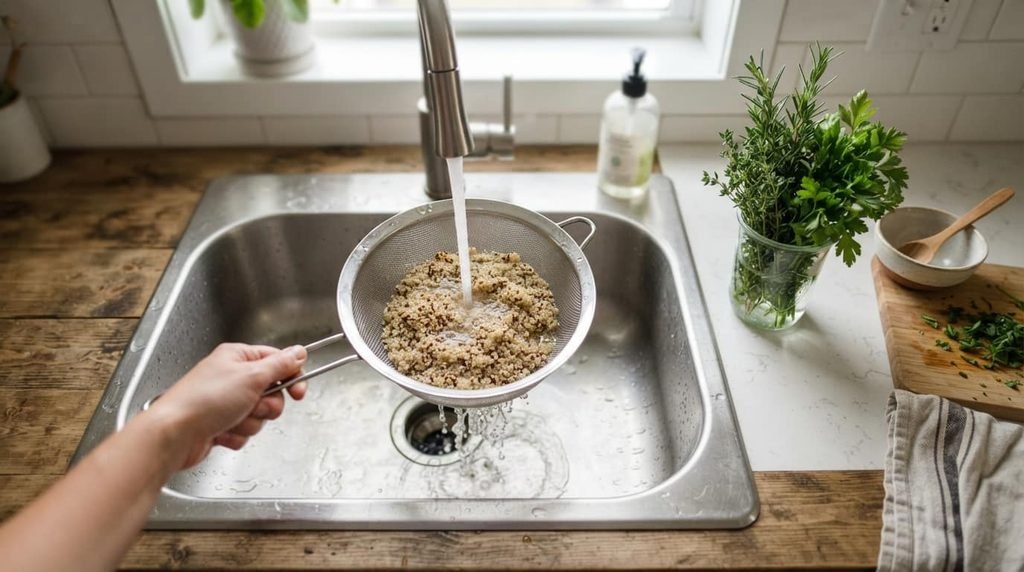
- Rinse grains through a mesh strainer, not a colander. Quinoa and rice slip through big colander holes and waste water in the process; a fine strainer catches everything on the first pass.
- Trim herb stems and store them upright in a jar of water, loosely covered with a produce bag, like cut flowers. Parsley and cilantro bought this way last close to two weeks instead of wilting in three days.
- Sharpen your main chef’s knife before you think you need to. A dull blade is genuinely more dangerous than a sharp one, since it slips instead of cutting cleanly, and it roughly doubles prep time on anything that needs dicing.
- Clear a slow kitchen drain with baking soda and vinegar, followed by a kettle of hot (not boiling, if you have PVC pipes) water. It won’t fix a fully clogged pipe, but for the daily slow-drain problem it works about as well as a store-bought drain cleaner, without the fumes.
Squeaky Doors, Sticky Drawers, and Other 5-Minute Repairs
This is the part of handy tips dr homey content that gets shared the most, because it’s genuinely satisfying to fix something in less time than it took to notice it was broken.
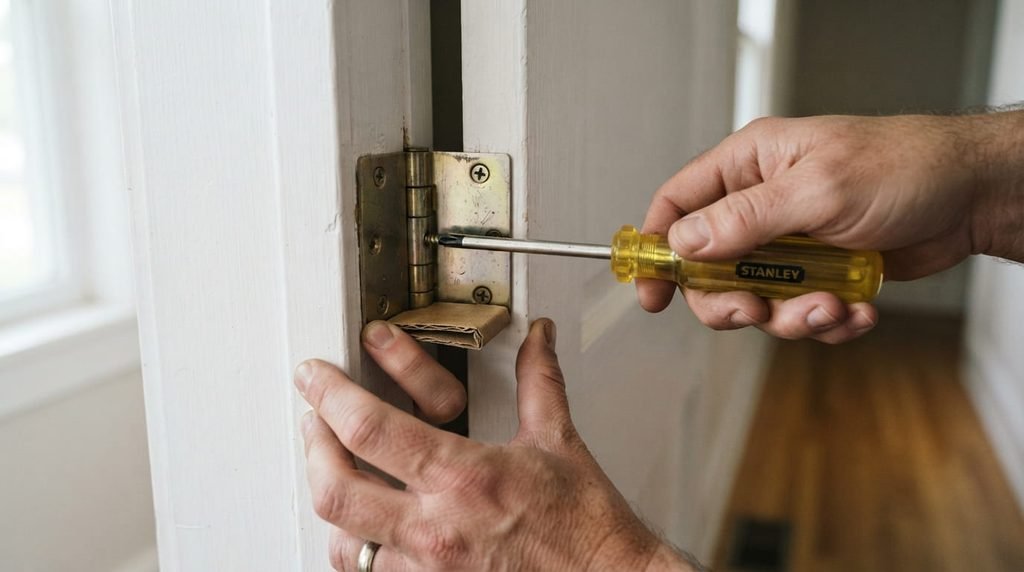
A door that groans every time it opens usually doesn’t need heavy-duty lubricant from the hardware store. A drop of cooking oil or a light rub of bar soap on the hinge pin handles it in a pinch, though a proper household-grade lubricant lasts longer if you want to do it once and forget it. A loose door hinge just needs its screw holes packed, take the screw out, wedge in a bit of folded cardboard or a few toothpicks with wood glue, and drive the screw back in; the fresh material gives the threads something solid to grip.
Furniture dents in carpet respond well to an ice cube. Set it directly in the dent, let it melt over a few hours, and the compressed fibers absorb the water and slowly puff back up; a quick fluff with a spoon edge finishes the job. For a leaky faucet, the washer is almost always the culprit: shut off the water supply under the sink, pull the handle apart, swap the worn rubber washer for a new one from a hardware store multi-pack, and test the flow before you consider it done. A running toilet is nearly as simple, check the flapper and the chain length first, since a flapper that doesn’t seal or a chain that’s too short or too long accounts for most of these calls.
Smart Cleaning Shortcuts for Busy Homes
- Use a microfiber cloth dry, without spray, to pull dust off surfaces instead of just pushing it around.
- Mix equal parts white vinegar and water in a spray bottle for a streak-free glass and mirror cleaner that costs a fraction of the name-brand version.
- Set a 10-minute timer and tackle one room a day rather than saving everything for a weekend deep clean; the daily version takes less total time over a month.
- Keep a small caddy with your most-used products, so cleaning up a spill doesn’t mean a trip to the garage first.
- Vacuum high-traffic zones twice a week and spot-clean spills the moment they happen, since a fresh spill takes a fraction of the effort of a set-in one.
Energy-Saving Habits That Actually Lower Your Bill

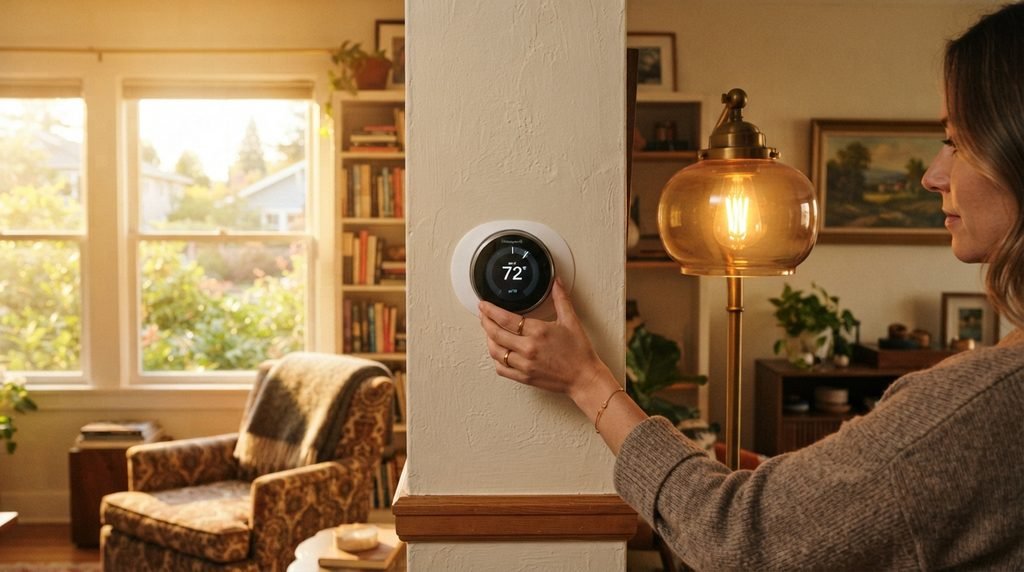
A lot of handy tips dr homey energy advice repeats standard utility-company guidance, but it repeats it because it works. Setting your thermostat a few degrees lower in winter and higher in summer, especially while you’re asleep or out of the house, is still one of the highest-impact, zero-cost changes available. Swapping remaining incandescent bulbs for LED bulbs cuts lighting costs meaningfully, and a smart power strip for your entertainment center or home office kills the small, constant draw from devices left on standby.
Sealing gaps is the other half of the equation. Weatherstripping around exterior doors and caulk around window frames are both inexpensive, both DIY-friendly, and both usually pay for themselves within a season through lower heating and cooling costs. A programmable or smart thermostat and a low-flow showerhead are the next-tier upgrades if you’re ready to spend a little more for a bigger, longer-term drop in your utility bill.
Essential Tools Every Homeowner Should Own
You don’t need a garage full of equipment to handle most of what’s listed above. A basic kit covers the vast majority of household DIY repairs:
- A set of Phillips and flathead screwdrivers
- An adjustable wrench
- A tape measure
- A utility knife
- Pliers
- A hammer
- A cordless drill with a mixed bit set
Know your limits alongside your tools. Gas line work, major electrical panel issues, and anything touching a load-bearing wall or your home’s structure should go to a licensed professional, not a weekend project. Photograph the problem before you call, so the pro can give you a more accurate quote over the phone, and always confirm local licensing for anything that affects your home’s safety or code compliance.
Home Safety Checks People Forget
Safety tasks are the least glamorous part of any home maintenance checklist, which is exactly why they get skipped. Test smoke detectors and carbon monoxide detectors monthly, not just when the battery starts chirping at 2 a.m. Store cleaning chemicals up high or behind a child lock, away from anything a pet or toddler could reach. Check that your fire extinguisher hasn’t expired, and keep a written evacuation plan somewhere visible, like the fridge door. Run your kitchen exhaust fan while cooking, since it clears more indoor air pollutants than most people realize, and change your HVAC filter on schedule to protect both air quality and the system itself.
How Often Should You Do Home Maintenance?
Break it into three buckets instead of trying to remember everything at once. Monthly: test alarms, check for leaks under sinks, wipe down high-touch surfaces. Seasonal: clean gutters, flip your ceiling fan direction, inspect weatherstripping. Annually: flush the water heater, inspect the roof, service the HVAC system. A recurring calendar reminder does more for your home than any single big cleaning weekend ever will, because small, consistent maintenance is what actually prevents the expensive repairs.
The Bottom Line
Handy tips dr homey content is at its best when it’s this: small, specific, low-cost actions you can knock out in the time it takes water to boil. Skip the posts promising a total home transformation from one trick, and lean on the ones, like the kitchen fixes and 5-minute repairs above, that we’ve actually tried and that hold up to a second look. Pick two or three from this list, put them on today’s to-do list, and build from there next week.
Got a kitchen fix that’s saved you more time than anything on this list? We’re always testing new ones, send it our way and we might put it through its paces for a future guide.