
Oprah’s Pink Salt Recipe: Fact, Myth, or Scam?
If you’ve scrolled past a video of Oprah Winfrey holding up a pink salt drink and promising it melts fat overnight, you’ve bumped into oprah’s pink salt recipe, one of the most-searched wellness trends of the year. The short version: Oprah never made this recipe, never endorsed it, and has publicly called similar scams “a fraud” and “a lie.” What’s actually circulating is an AI-generated deepfake tied to a supplement sales funnel, wrapped around a real (but unproven) TikTok wellness trend called the pink salt trick. Here’s what’s true, what’s fake, and what’s actually in the drink people keep asking about.
Did Oprah Really Share a Pink Salt Recipe? The Quick Answer
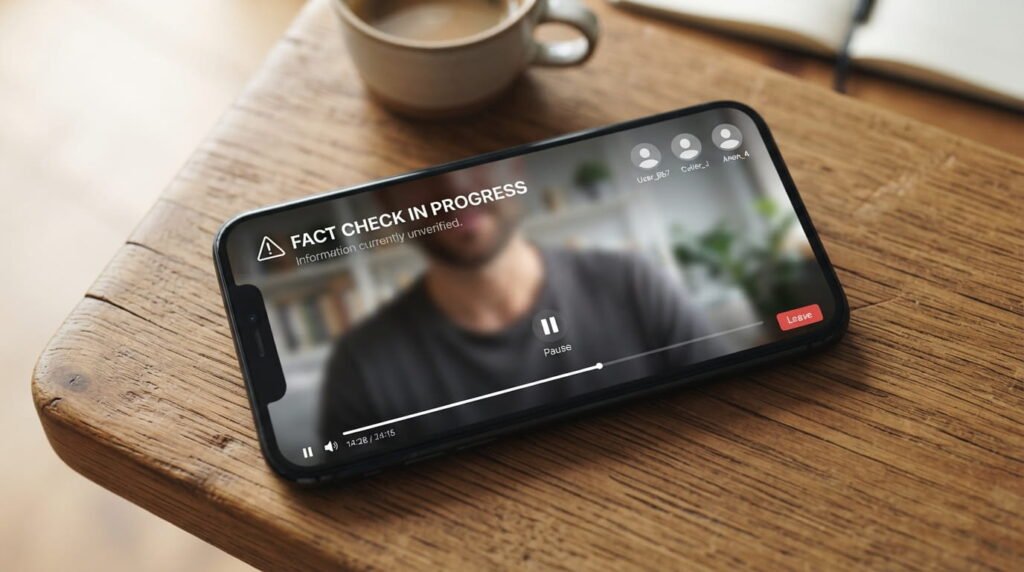
No. Oprah Winfrey has never created, tested, or endorsed a pink salt recipe for weight loss. Fact-checkers at Snopes and multiple local newsrooms traced the claim to AI deepfake videos that fabricate her voice and likeness to sell supplements. In 2022, Oprah posted directly to Instagram warning fans about lookalike scams, saying she has “nothing to do with” the weight-loss products being pushed under her name. If you’ve seen a clip of “Oprah” recommending this drink, it wasn’t her.
How the Fake Oprah Pink Salt Videos Went Viral

The pattern is almost identical every time a celebrity gets pulled into a supplement scam. A short video clip, often lifted from a real interview, gets run through AI voice-cloning and lip-sync software so it looks like the celebrity is saying something they never said. Ads featuring a fake Oprah promoting “pink salt” or gummies that supposedly mimic Ozempic have shown up across Facebook, TikTok, and YouTube, often linking to storefronts with names like salttrickrecipe.store. Investigators have found scam pages that even copy university logos, including a fake UCLA-branded page, to look more credible. Consumers who’ve ordered these products report receiving something like a turmeric-based capsule instead of whatever was advertised, and getting nowhere with refunds. Jennifer Lopez and Hoda Kotb have been dragged into nearly identical fake-endorsement campaigns, so this isn’t a one-off targeting Oprah specifically. It’s a template.
The Actual “Pink Salt Trick” Recipe People Are Making
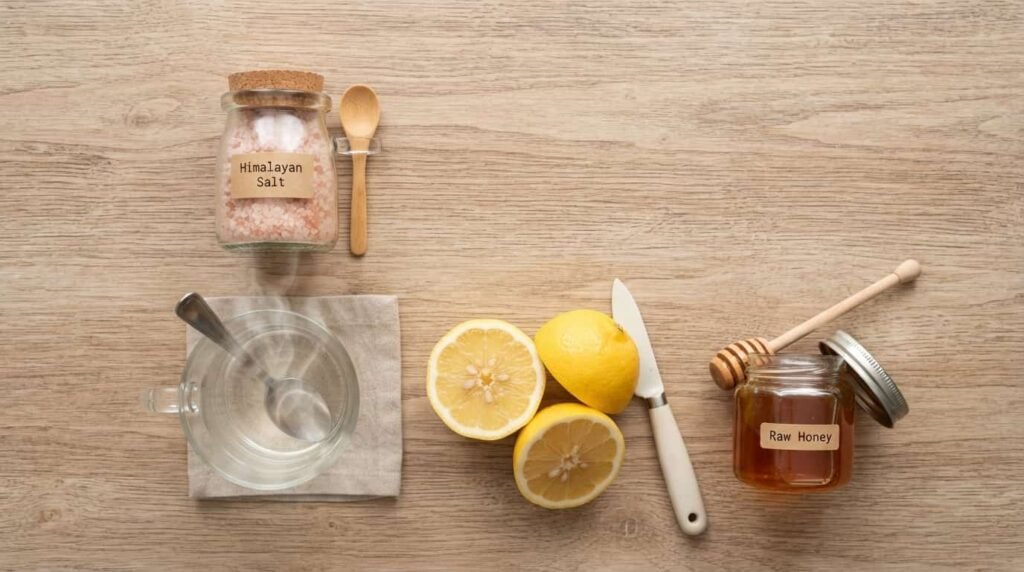
Strip away the celebrity name and the oprah’s pink salt recipe trend is really just a variation on the “pink salt trick,” a homemade drink that predates the fake Oprah videos by several years. The version circulating most widely looks like this:
- 8 to 12 ounces of warm filtered water
- ⅛ to ¼ teaspoon of fine-ground Himalayan pink salt
- A squeeze of fresh lemon juice (optional)
- A dash of raw honey or apple cider vinegar (optional)
To make it, warm the water until it’s comfortably warm rather than hot, stir in the salt until it fully dissolves, then add the lemon and any extras. Some versions of the trend use a pre-made saturated salt concentrate, sometimes called sole water, and add just a teaspoon of that to a full glass rather than measuring loose salt each time. People typically drink it first thing in the morning on an empty stomach, though a bedtime version has also picked up traction online.
Where the Pink Salt Trick Trend Actually Started

Before Oprah’s name got attached to it, the pink salt trick was already circulating as a general wellness fad. A TikTok influencer who said he coached women over 40 posted an explainer video back in 2022 laying out the supposed science behind salt water and metabolism, and the clip picked up tens of thousands of likes and saves. The trend resurfaced hard in the spring and summer of 2025, right around swimsuit season, with new variations adding apple cider vinegar, cayenne pepper, or ginger. Somewhere in that second wave, scammers noticed how well “celebrity confession” framing performs in ads, and Oprah’s name and face got layered on top of a trend that had nothing to do with her in the first place. The same thing has happened with keto gummies, CBD gummies, and now supplements marketed as natural alternatives to Ozempic and Mounjaro.
Does the Pink Salt Trick Actually Work for Weight Loss?

Here’s the part the scam ads skip: registered dietitians who’ve reviewed the claim say it doesn’t do what the videos promise. Allison Childress, a clinical dietitian and professor at Texas Tech University, told Snopes the drink “will not do anything significant” for weight loss, and that too much sodium can actually cause water retention rather than fat loss. Erin Palinski-Wade, a registered dietitian who spoke with TODAY, said any weight change people notice is more likely tied to swapping sugary drinks for water and building a more mindful morning habit, not any special property of pink salt itself. Natalie Allen, a clinical dietitian at Missouri State University, put it just as plainly: pink salt doesn’t speed up metabolism or detox the body.
Pink Himalayan salt does contain trace minerals like magnesium, potassium, and calcium that regular table salt lacks, and staying hydrated is genuinely good for you. But the amounts in a quarter teaspoon are small enough that the mineral boost isn’t meaningfully different from what you’d get from a balanced diet. The honest takeaway is that this is a hydration habit, not a weight-loss method, no matter whose face is attached to it.
Is Pink Salt Water Safe to Drink? Risks and Who Should Skip It
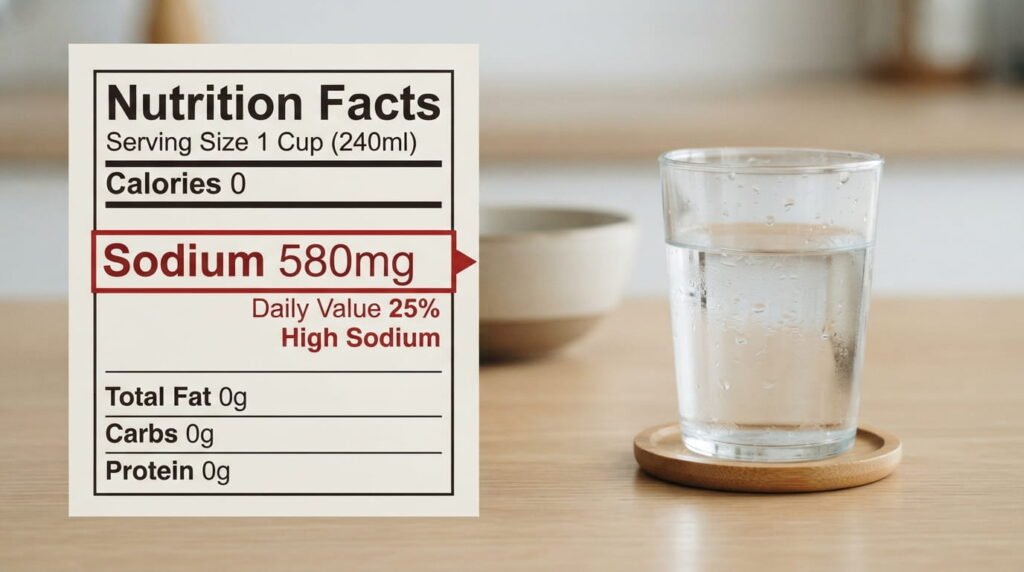
For most healthy adults, an occasional glass of lightly salted lemon water isn’t dangerous. But it’s worth knowing the sodium math: a quarter teaspoon of salt already adds roughly 580 milligrams of sodium, a meaningful chunk of a typical daily target, before you’ve eaten a single meal. That matters more for a few groups in particular:
- People managing high blood pressure or heart conditions, since extra sodium can work against blood pressure control
- Anyone with kidney issues, since kidneys regulate how the body handles excess sodium
- People prone to bloating or fluid retention, since too much salt can worsen both
- Anyone on a doctor-prescribed low-sodium or fluid-restricted diet
If you want to try it anyway, start with the smaller end of the range (an eighth of a teaspoon), use it occasionally rather than daily, and check with a doctor first if you have any of the conditions above. It’s also worth noting that a salty drink isn’t a substitute for actual electrolyte replacement after intense exercise, which usually needs potassium and magnesium alongside sodium, not just table salt with a pink tint. If your real goal is better hydration, plain water with a piece of fruit or a low-sugar electrolyte mix will get you there without the sodium spike.
People also ask whether the timing matters, morning versus night. There isn’t strong evidence either way. A morning glass on an empty stomach won’t “kickstart” your metabolism any more than the same glass at 3 p.m. would, and a bedtime version won’t burn fat while you sleep. The main practical difference is that salt close to bedtime can mean more trips to the bathroom overnight for some people, which is worth factoring in if you’re a light sleeper.
How to Spot a Celebrity Weight-Loss Scam Before You Buy

Because these ads keep resurfacing under new product names, it helps to know the tells. Watch for countdown timers pushing you to buy immediately, headlines with oddly spelled words designed to dodge content filters, “doctor” quotes with no name or credentials attached, and links that redirect two or three times before landing on an actual checkout page. A celebrity “confession” video that conveniently vanishes from social platforms after a few days is another common sign. If an ad claims a public figure lost dramatic weight from a single kitchen ingredient, treat it as marketing fiction until an outlet like Snopes, Reuters, or the celebrity’s own verified account confirms otherwise.
A Safer Way to Enjoy Pink Salt in Your Kitchen
Pink Himalayan salt earns a spot in our kitchen for a much less dramatic reason than weight loss: it tastes good and looks beautiful in a grinder. We use it to finish roasted vegetables, season a steak just before it comes off the pan, and add a pinch to caramel or chocolate desserts, where that mild mineral edge actually rounds out the sweetness. If you’re drawn to the ritual of a warm salt-and-lemon drink in the morning, there’s nothing wrong with keeping that habit for its own sake. Just enjoy it as a comforting routine rather than a fat-burning shortcut, and save your grocery money for ingredients with a track record, not a fake celebrity endorsement.
Frequently Asked Questions
Did Oprah lose weight using the pink salt trick?
No. There’s no verified account of Oprah trying or endorsing this drink. Claims that she lost weight from it trace back to AI-generated videos and fabricated interview clips that fact-checkers have debunked.
What is in the pink salt trick recipe?
The standard version is warm water, a small amount of Himalayan pink salt (about ⅛ to ¼ teaspoon), and optional lemon juice, honey, or apple cider vinegar. Some variations add cayenne pepper or ginger.
Can you drink pink salt water every day?
Occasional use is generally fine for healthy adults, but daily use adds up in sodium over time. People with high blood pressure, kidney issues, or heart conditions should talk to a doctor before making it a regular habit.
Is Himalayan pink salt actually healthier than regular table salt?
It contains a few more trace minerals, but the amounts are too small to make a real nutritional difference. The main practical differences are flavor and color, not health benefits.
If you’re chasing the “oprah’s pink salt recipe” trend for weight loss, the honest answer is to skip the ads and keep the parts of the ritual that are genuinely good for you: a glass of water, a moment of calm, and a squeeze of lemon.