Last Word Cocktail Recipe
The Last Word cocktail is one of those drinks that looks simple on paper but tastes far more complex than its four ingredients suggest. It combines equal parts gin, green Chartreuse, maraschino liqueur, and fresh lime juice, creating a drink that is herbal, tart, lightly sweet, and surprisingly intense.
The recipe is also wonderfully easy to remember: equal parts of everything. Shake the four ingredients with ice, strain, and serve.
What makes the Last Word special is the way those ingredients balance each other. Gin provides the dry botanical base, green Chartreuse brings strong herbal and spicy notes, maraschino liqueur adds sweetness with a distinctive cherry-almond character, and lime juice cuts through everything with fresh acidity.
If you’re making one at home, fresh lime juice and proper chilling make a bigger difference than complicated techniques. The drink should be cold, bright, and well balanced rather than overly sweet or dominated by the Chartreuse.
What Is a Last Word Cocktail?
The Last Word is a classic equal-parts cocktail traditionally made with:
- Gin
- Green Chartreuse
- Maraschino liqueur
- Fresh lime juice
Each ingredient contributes an important part of the drink. Remove or substantially change one, and the character shifts quickly.
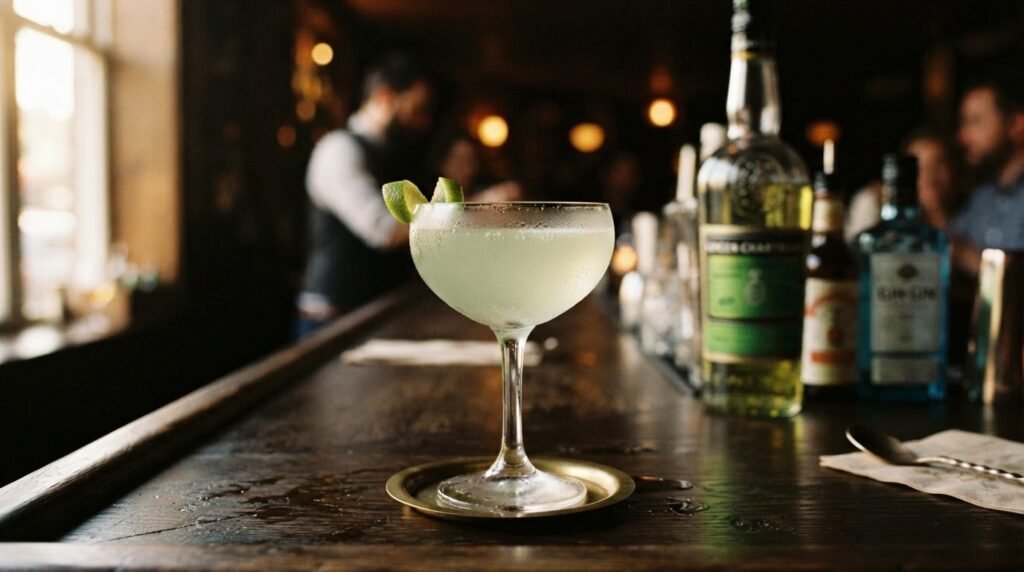
The cocktail is usually shaken with ice and strained into a chilled cocktail glass. Its pale green color comes largely from the green Chartreuse, while the lime gives it a fresh, sharp edge.
Despite its small ingredient list, the Last Word has a bold flavor. It isn’t the best choice if you’re looking for a mild, simple gin drink. Green Chartreuse is particularly aromatic, so its herbal character is noticeable from the first sip.
The beauty of the recipe is that you don’t need a long list of ingredients to create depth. The four components do most of the work.
Last Word Cocktail Recipe
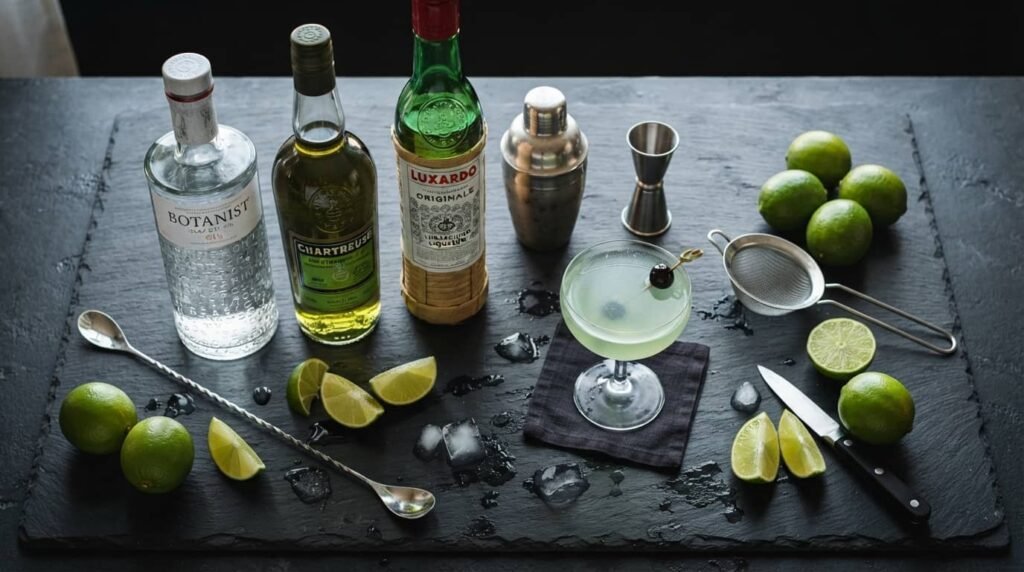
Here is the classic equal-parts formula.
| Ingredient | Amount |
|---|---|
| Gin | ¾ oz |
| Green Chartreuse | ¾ oz |
| Maraschino liqueur | ¾ oz |
| Fresh lime juice | ¾ oz |
| Ice | For shaking |
| Lime or cocktail cherry | Optional garnish |
This produces roughly a 3 oz drink before dilution from shaking.
How to Make It
- Add the gin, green Chartreuse, maraschino liqueur, and fresh lime juice to a cocktail shaker.
- Fill the shaker with plenty of ice.
- Shake firmly for about 10–15 seconds, until the shaker is very cold.
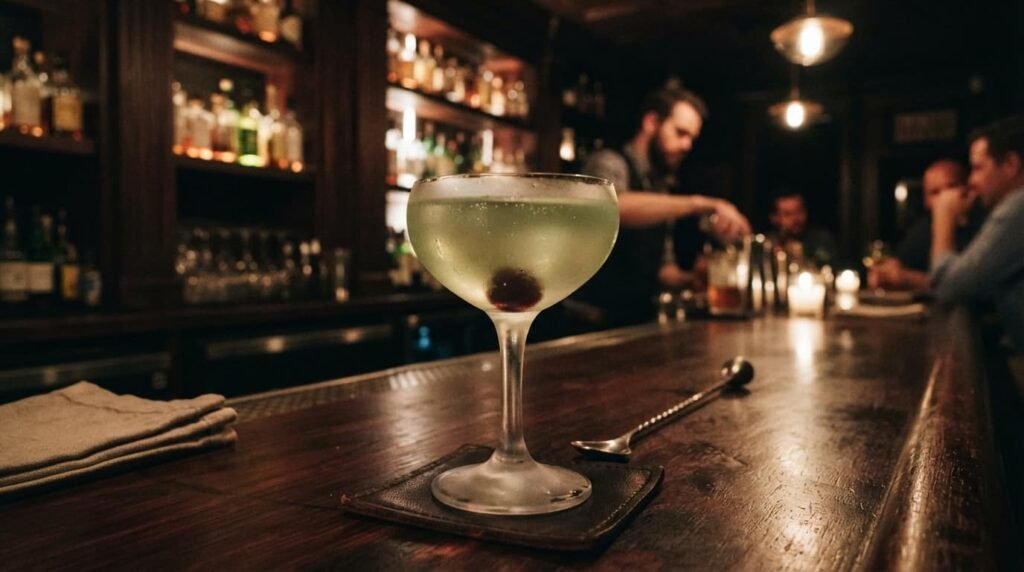
- Strain the cocktail into a chilled coupe or cocktail glass.
- Garnish with a lime twist or cocktail cherry if desired.
- Serve immediately.
That’s all you need. The technique is straightforward, but the details matter.
Why the Equal-Parts Formula Works
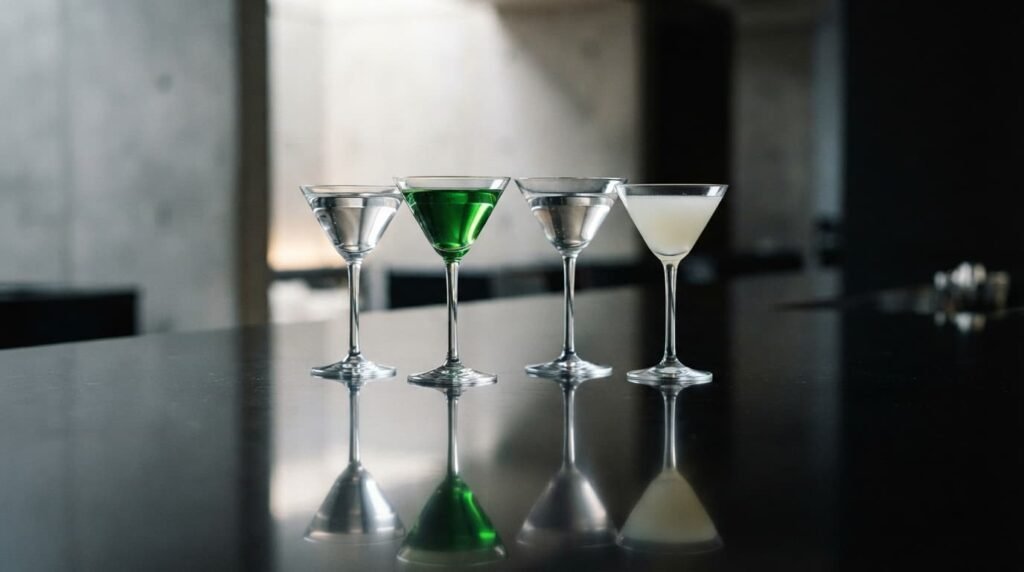
The Last Word follows an equal-parts structure, which is one reason the recipe is so memorable.
Gin brings dryness and botanical complexity. Green Chartreuse is intensely herbal and slightly sweet. Maraschino liqueur adds sweetness and a distinctive stone-fruit flavor. Lime juice supplies acidity.
If one ingredient becomes much stronger than the others, the drink can lose its balance.
For example, adding significantly more Chartreuse can make the cocktail taste aggressively herbal. Too much maraschino can make it seem sweet and heavy. Too much lime can make the drink sharply sour.
The equal-parts recipe gives each component enough room to be noticed without allowing one flavor to completely take over.
That doesn’t mean you can never adjust it. It simply gives you the best starting point.
What Does a Last Word Cocktail Taste Like?
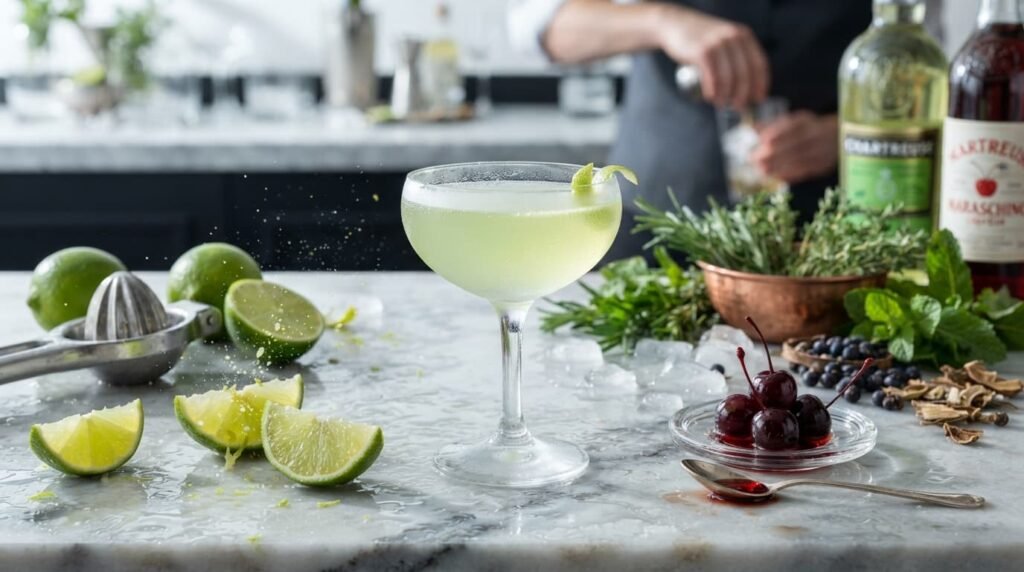
The flavor is best described as tart, herbal, sweet, botanical, and slightly bitter.
The first impression often comes from the lime and Chartreuse. The lime gives the drink its bright acidity, while green Chartreuse contributes layers of herbs, spices, and other botanical flavors.
As you taste it, the maraschino liqueur becomes more noticeable. It doesn’t taste like ordinary cherry syrup. Maraschino has a distinctive dry, nutty, stone-fruit quality that helps round out the sharper ingredients.
The gin ties everything together.
The result is not a traditional sweet cocktail. It has sweetness, but the lime and herbal character keep it lively.
If you enjoy cocktails such as a Gimlet but want something more unusual and herbal, the Last Word is worth trying.
Which Gin Works Best?
You don’t need an extremely expensive gin to make a good Last Word, but the gin you choose will influence the final drink.
A classic London Dry-style gin can work particularly well because its juniper-forward character provides a firm base against the Chartreuse and lime.
A softer or more citrus-forward gin can create a gentler version.
I’d avoid choosing a gin with an extremely unusual flavor profile the first time you make the cocktail. The Last Word already contains a very distinctive ingredient in green Chartreuse. A highly flavored gin can make the drink feel crowded rather than balanced.
For your first attempt, use a clean gin that you already enjoy drinking.
Green Chartreuse Is Not the Same as Yellow Chartreuse
This distinction matters.
The traditional Last Word recipe uses green Chartreuse. Green Chartreuse has a stronger herbal character and is more intense than yellow Chartreuse.
Yellow Chartreuse is generally softer and sweeter, so substituting it changes the cocktail significantly.
If you’re specifically trying to make a classic Last Word, green Chartreuse is the appropriate choice.
Chartreuse can also be relatively expensive compared with some cocktail ingredients. The good news is that you only need a small amount for each drink, and it can be used in many other cocktails.
Fresh Lime Juice Makes a Big Difference
Fresh lime juice is one of the easiest ways to improve a homemade Last Word.
The drink depends on acidity for balance. Bottled lime juice can sometimes taste flatter or less fresh, which can make the finished cocktail seem less vibrant.
For the best result:
- Use freshly squeezed lime juice.
- Strain out large seeds and pulp if necessary.
- Measure the juice rather than simply squeezing an arbitrary amount into the shaker.
- Shake immediately after combining the ingredients.
Limes vary in size and juiciness, so measuring the juice is more reliable than assuming one lime will always produce the exact amount you need.
If your cocktail tastes too sharp, don’t immediately add a large amount of sweetener. First consider whether the lime is particularly acidic or whether the drink needs a small adjustment to the other ingredients.
Should You Chill the Glass?
Yes, if you have the time.
A chilled coupe or cocktail glass helps the drink stay cold after straining. You can place the glass in the freezer for a short period or fill it with ice and cold water while preparing the cocktail.
Then discard the temporary ice water before straining.
The Last Word is normally served without ice in the glass, so starting with a cold glass helps maintain its temperature.
How Long Should You Shake a Last Word?
You don’t need to shake it endlessly.
A firm shake for roughly 10–15 seconds with plenty of ice is a practical starting point. The goal is to chill the drink and introduce an appropriate amount of dilution.
This is one reason ice quality and quantity matter.
A shaker containing only a couple of small pieces of ice may warm quickly and dilute unpredictably. A well-filled shaker generally gives you a more consistent result.
Don’t judge the drink only by the clock, though. The shaker should become noticeably cold, and the cocktail should be properly chilled before straining.
Common Last Word Cocktail Mistakes
The recipe is short, but a few mistakes can make the finished drink disappointing.
Using Too Much Chartreuse
Green Chartreuse is powerful. Pouring extra because you like herbal flavors can easily overwhelm the other ingredients.
Start with the equal-parts recipe before experimenting.
Using Sweetened Lime Juice
Sweetened lime products can throw off the carefully balanced sweet-and-sour structure.
Fresh lime juice gives you much more control.
Not Measuring the Ingredients
Because the ingredients are equal, it can be tempting to simply pour everything into the shaker.
For consistent results, measure each ingredient.
Small differences are particularly noticeable in a four-ingredient cocktail.
Serving It Warm
A Last Word should be properly chilled. Warm ingredients and a warm glass can make the alcohol seem harsher and the flavors less integrated.
Shaking With Too Little Ice
Ice isn’t just there to make the drink cold. It also provides dilution as the cocktail is shaken.
Use enough ice to chill the drink effectively.
Can You Make a Last Word Less Tart?
Yes. The classic recipe has a noticeable lime-driven acidity, so some drinkers may prefer a slightly softer version.
The safest approach is to make the classic recipe first. If you find it too tart, make a small adjustment rather than changing the drink dramatically.
You could slightly reduce the lime or increase the maraschino liqueur by a small amount.
Be careful with large adjustments. Adding too much maraschino can quickly turn a bright cocktail into a noticeably sweeter drink.
Another option is simply choosing a sweeter or softer gin, which changes the overall impression without abandoning the basic structure.
Can You Make a Last Word Stronger?
You can, but the classic recipe is already a fairly spirit-forward cocktail.
Adding more gin isn’t automatically an improvement. It can make the drink drier and reduce the impact of the other ingredients.
If you want to experiment, make the original recipe first and taste it. That gives you a reference point before changing the proportions.
For most people, the better way to make the cocktail feel more substantial is to serve it very cold with proper dilution rather than simply increasing the alcohol.
A Practical Way to Make Several Last Words
The equal-parts structure makes this cocktail convenient when serving more than one person.
For four drinks, for example, you can combine:
- 3 oz gin
- 3 oz green Chartreuse
- 3 oz maraschino liqueur
- 3 oz fresh lime juice
Keep the mixture chilled, then shake individual portions with ice before serving if possible.
Shaking the whole batch without ice and then serving it can make it harder to control dilution and chilling. For the best texture, chilling and diluting each serving during shaking is preferable.
If you’re preparing cocktails for guests, pre-measuring the ingredients can make service much easier.
What Glass Should You Use?
A coupe or Nick & Nora-style cocktail glass works well.
The drink is normally served up, meaning it is chilled with ice during preparation but strained into the glass without ice.
A small cocktail glass also suits the drink because the Last Word is concentrated and flavorful. You don’t need a large glass filled with extra mixers or ice.
If presentation matters, a simple lime twist or cocktail cherry is enough. There’s no need for an elaborate garnish.
Last Word Variations to Try
Once you’ve made the classic recipe, experimenting becomes more interesting.
Slightly Sweeter Last Word
Increase the maraschino liqueur by a small amount while keeping the other ingredients close to equal parts.
This can make the cocktail friendlier to someone who finds the classic recipe too tart.
Drier Version
A slightly larger proportion of gin can produce a drier, more spirit-forward drink.
Keep the adjustment modest so the lime and Chartreuse still have a role.
Yellow Chartreuse Variation
Replacing green Chartreuse with yellow Chartreuse creates a different cocktail rather than a true classic Last Word.
Expect a softer and generally sweeter herbal character.
This can be a useful experiment if you already have yellow Chartreuse available, but don’t use it if your goal is to reproduce the traditional flavor.
What Can You Serve With a Last Word?
Because the cocktail is tart and herbal, it can work nicely with foods that aren’t excessively sweet.
Small savory appetizers, salty snacks, grilled foods, and lightly seasoned dishes can complement its bright acidity.
Very sweet desserts may make the drink taste sharper by comparison, while intensely spicy foods can compete with the herbal character of the Chartreuse.
If you’re serving the Last Word before dinner, simple salty or savory snacks are an easy pairing.
Is the Last Word a Good Cocktail for Beginners?
It’s easy to make, but its flavor isn’t necessarily beginner-friendly.
From a technique standpoint, it’s excellent for someone learning cocktails because it teaches several useful fundamentals:
- Measuring equal proportions
- Using fresh citrus
- Shaking with ice
- Understanding dilution
- Chilling a cocktail glass
- Balancing sweet, sour, herbal, and spirit flavors
But green Chartreuse has a strong personality. Someone who normally drinks simple vodka sodas or sweet fruit cocktails may find the Last Word surprisingly intense.
If you’re new to gin cocktails, start with the classic recipe and take your time with it. The first sip can be quite different from what people expect from a four-ingredient drink.
Last Word Cocktail Recipe at a Glance
For a quick reference:
Ingredients
- ¾ oz gin
- ¾ oz green Chartreuse
- ¾ oz maraschino liqueur
- ¾ oz fresh lime juice
- Ice
Method
Add everything to a cocktail shaker with ice. Shake firmly until well chilled, then strain into a chilled coupe or cocktail glass. Garnish with a lime twist or cherry if you like.
The equal-parts formula is the key to remembering the recipe.
Final Recipe
The Last Word cocktail recipe is proof that a short ingredient list can produce a remarkably layered drink. Equal parts gin, green Chartreuse, maraschino liqueur, and fresh lime juice create a cocktail that is bright, herbal, tart, and slightly sweet.
For the best result, measure the ingredients, use fresh lime juice, shake with plenty of ice, and serve the drink properly chilled.
Start with the classic equal-parts formula before changing anything. Once you understand how the four ingredients interact, you can adjust the balance to suit your taste without losing what makes the Last Word distinctive.
What are the four ingredients in a Last Word cocktail?
A classic Last Word contains equal parts gin, green Chartreuse, maraschino liqueur, and fresh lime juice. The ingredients are shaken with ice and strained into a chilled cocktail glass.
Why is it called the Last Word?
The cocktail is associated with the classic American cocktail tradition and became especially known for its revival in the modern cocktail era. The name itself is part of the drink’s long history, but the exact origin story is less important to making a good drink than getting the balance right.
Is a Last Word cocktail sweet?
Not particularly. It contains maraschino liqueur and green Chartreuse, both of which contribute sweetness, but fresh lime juice gives the cocktail significant acidity. The finished drink is generally balanced rather than syrupy.
Can I use bottled lime juice?
You can, but fresh lime juice is preferable. Fresh juice usually gives the cocktail a brighter, cleaner acidity and makes the drink taste more lively.
Can I substitute green Chartreuse?
You can experiment with substitutes, but the result will no longer taste like a classic Last Word. Green Chartreuse has a distinctive herbal character that is central to the traditional recipe.
What is the best garnish for a Last Word?
A simple lime twist or cocktail cherry works well. The garnish is optional, so don’t let the lack of one stop you from making the drink.
Can I make a Last Word without a cocktail shaker?
If you don’t have a shaker, you can use another tightly sealed container suitable for mixing liquids with ice. The important part is being able to chill and dilute the cocktail safely and effectively.
Why does my Last Word taste too strong?
The drink is naturally spirit-forward, and green Chartreuse has a powerful herbal profile. Make sure you’re using the equal-parts recipe and enough ice during shaking. Proper dilution can make a major difference in how integrated the drink tastes.
Why does my Last Word taste too sour?
Check your lime juice first. Fresh limes can vary considerably in acidity. If the drink is consistently too tart for your taste, make a small adjustment to the lime or maraschino rather than dramatically changing the recipe.