
Raw Cocoa Butter: What It Actually Is and How to Use It Right
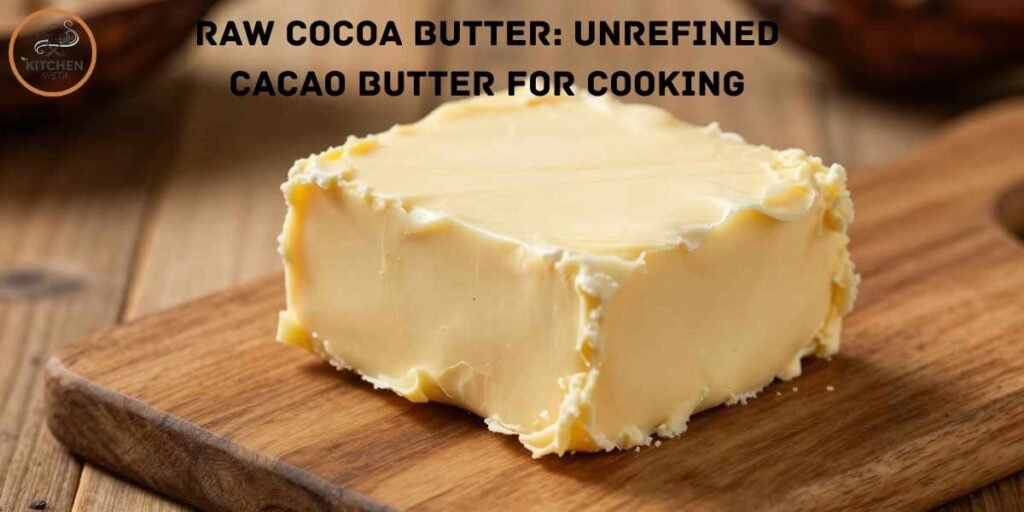
The first time I melted a block of raw cocoa butter for a batch of homemade chocolate, I expected it to smell faint, almost like nothing. Instead, my kitchen smelled like a bar of dark chocolate had just been unwrapped. That’s the giveaway that you’re holding raw cocoa butter and not one of the neutral, deodorized versions sold for lotions and soap. Raw cocoa butter is the natural fat pressed straight from cocoa beans, with no steam treatment or bleaching to strip out its aroma, color, or nutrients. It’s solid at room temperature, melts around 34 to 38°C (93 to 100°F), and carries a light chocolate scent that deodorized cocoa butter simply doesn’t have.
Knowing that difference matters more than most product listings let on, because “cocoa butter” on a label can mean two fairly different ingredients depending on how it was processed. This guide covers what raw cocoa butter is, how it’s made, where it works best, and the mistakes people make when they buy it expecting one thing and get another.
What Is Raw Cocoa Butter?
Raw cocoa butter is the pale yellow to light brown fat extracted from cocoa beans, also called cacao beans, that grow on the Theobroma cacao tree. The beans are fermented, dried, and then either roasted or kept unroasted before being pressed to separate the fat (the butter) from the solids that become cocoa powder. Because raw cocoa butter skips the deodorizing step that most commercial cocoa butter goes through, it keeps its natural chocolate aroma and its pale, slightly uneven color.
This is also why the word “raw” gets used loosely in the cocoa world. Strictly speaking, truly raw cacao butter comes from beans that were never roasted, only fermented and low-temperature dried. Most of what’s sold online as “raw cocoa butter” has actually been through a light roast, and the word “raw” is really doing the job of “unrefined and non-deodorized.” If a supplier is specific about their process, that’s usually a sign they know what they’re selling. If a listing just says “raw, pure, natural” with no detail, treat those as marketing words, not a guarantee.
Raw vs. Deodorized Cocoa Butter: The Difference That Actually Matters
This is the single most useful distinction to understand before you buy.
Raw (unrefined, non-deodorized) cocoa butter keeps its natural chocolate smell and pale yellow to light brown color. It’s pressed from the bean and left alone. This is the version you want for eating, baking, and any recipe where the chocolate flavor is part of the point.
Deodorized cocoa butter is the same fat, but steam is injected into it while it’s melted to drive off the aromatic compounds that give it its chocolate scent. The result is a nearly colorless, nearly scentless fat. It’s not a lower-quality product, it’s just made for a different job: skincare and cosmetic formulations where a chocolate smell would clash with added fragrance, or recipes like white chocolate where you don’t want a strong cocoa aroma competing with vanilla or other flavors.
Neither version is objectively “better.” Deodorized cocoa butter isn’t a downgrade, and raw cocoa butter isn’t automatically higher quality just because it’s less processed. The mistake I see most often is someone buying deodorized cocoa butter for a homemade chocolate recipe and being disappointed that the finished bar tastes flat, or buying raw cocoa butter for a lotion and finding the chocolate smell fights with their essential oils. Match the type to the job, not the other way around.
How Raw Cocoa Butter Is Made
Understanding the process helps explain why quality varies so much between brands:
- Fermentation – Freshly harvested cacao pods are opened and the beans, still coated in pulp, are left to ferment for several days. This step develops the flavor compounds that give chocolate its depth.
- Drying – The fermented beans are dried, traditionally in the sun, to reduce moisture and stabilize them for storage and transport.
- Roasting (optional) – Most beans are lightly roasted to develop flavor. True raw cacao butter uses unroasted or very low-heat dried beans instead.
- Pressing – The dried nibs (the beans with their shells removed) are ground into a thick paste called cocoa liquor or cocoa mass, then pressed under high pressure. This separates the fat, cocoa butter, from the solid cocoa powder.
- Filtering – The pressed butter is filtered to remove any remaining solids, then cooled and set into blocks, wafers, or chunks.
None of these steps involve added chemicals in a properly made raw cocoa butter. If a product needs a long ingredient list beyond “cacao butter” or “theobroma cacao seed butter,” it’s not raw or unrefined anymore.
Is Raw Cocoa Butter Good for Cooking and Baking?
Yes, and this is where most people underuse it. Raw cocoa butter has a low melting point, so it blends smoothly into batters and fillings once melted, and it holds up reasonably well to gentle heat without breaking down or scorching quickly. Where it really earns its place is in recipes where you want both fat and chocolate flavor in one ingredient, which cuts down on separate additions of butter and cocoa powder.
Practical ways to use it:
- Homemade chocolate – Melt raw cocoa butter and combine it with cacao powder and a sweetener of your choice. This is the base method for simple bean-to-bar style chocolate at home, and it’s the most common reason people buy raw cocoa butter in the first place.
- Fudge and no-bake treats – Raw cocoa butter firms up at room temperature, which makes it useful for fudge, chocolate bark, and fat-bomb style keto snacks that need to hold their shape without refrigeration.
- Frosting and ganache – A small amount melted into buttercream or ganache adds richness and a firmer set once it cools, which helps frosting hold its structure in warm weather.
- Cookie and cake substitutions – It can replace a portion of the butter or oil in a recipe, but because it’s pure fat with no water content (unlike dairy butter, which is about 80% fat and the rest water), swapping it in one-to-one for regular butter will change the texture. Start by replacing no more than half the fat in a recipe and adjust from there.
One thing original guides on this topic tend to get wrong: cocoa butter does not have an unusually “high smoke point” the way an oil does. It’s a cooking fat suited to gentle melting and baking temperatures, not high-heat frying or searing. Treat it the way you’d treat butter, not the way you’d treat avocado oil.
Using Raw Cocoa Butter in Chocolate Making
If you’re making chocolate at home, raw cocoa butter is doing two jobs at once: it thins the chocolate so it pours and coats evenly, and it’s what gives finished chocolate its snap and glossy finish once it’s properly tempered. Without enough cocoa butter, homemade chocolate tends to come out grainy or soft instead of smooth.
A few things worth knowing before your first batch:
- Tempering matters more than the butter itself. Even good raw cocoa butter will produce dull, streaky, or soft chocolate if it isn’t tempered correctly, meaning it wasn’t melted and cooled through the right temperature curve to form stable fat crystals. This trips up more beginners than the ingredient choice does.
- White chocolate relies on cocoa butter alone, with no cocoa solids added, which is why deodorized cocoa butter is usually the better pick there. Raw cocoa butter’s chocolate aroma will compete with the vanilla and milk flavor that white chocolate depends on.
- A little goes a long way. Because it’s a concentrated fat, recipes typically call for smaller amounts than you’d expect compared to butter or oil measurements.
Is Raw Cocoa Butter Good for Skin?
Cocoa butter’s reputation in skincare is well earned, though it’s worth separating what’s proven from what’s oversold. As a fat, it forms a barrier on the skin that helps reduce water loss, which is why it shows up so often in products marketed for dry skin, scars, and stretch marks. It’s rich in natural fatty acids and plant compounds that support this moisturizing effect. What it isn’t is a cure for existing scars or stretch marks. Applying it can help keep skin supple while it heals, but no topical butter can remove marks that have already fully formed, and any product claiming otherwise is overstating what the ingredient can do.
For skin use, either raw or deodorized cocoa butter works, and the choice usually comes down to personal preference:
- If you like the chocolate scent and don’t mind it layering with other product fragrances, raw cocoa butter is a fine, single-ingredient moisturizer on its own.
- If you’re formulating something with essential oils or a specific fragrance profile, deodorized cocoa butter gets out of the way and lets those scents come through.
Common DIY uses include whipped body butters (cocoa butter blended with a lighter oil like coconut or sweet almond oil to make it easier to spread), lip balms, and soap making, where it adds hardness and a stable lather. If your skin is very reactive or acne-prone, patch test first. Cocoa butter is comedogenic for some people, meaning it can clog pores, so it isn’t automatically the right choice for every skin type despite how often it’s marketed as universally gentle.
How to Store Raw Cocoa Butter
Cocoa butter is naturally quite stable and resistant to going rancid compared to many other fats, thanks to natural antioxidants it contains. Even so, a few habits keep it in good condition longer:
- Store it in a cool, dry place away from direct sunlight and heat sources. It will start to soften and lose its shape well below actual room temperature in a warm kitchen.
- Keep it in an airtight container or its original sealed packaging to avoid it picking up smells from other food in your pantry, since fats absorb odors easily.
- A grayish or whitish surface film, known as fat bloom, can appear after melting and resolidifying. It’s a cosmetic change in the fat’s crystal structure, not spoilage, and it’s still safe to use.
- Properly stored raw cocoa butter can last a long time, often a year or more, though it’s worth giving it a smell check before use if it’s been sitting for a while. Rancid cocoa butter smells sour or waxy rather than like chocolate.
Cocoa Butter vs. Shea Butter and Coconut Oil: Which One Should You Use?
These three get compared constantly because they’re the most common natural butters and oils used in both kitchens and DIY skincare, but they behave differently:
- Cocoa butter is harder and more brittle at room temperature, melts closer to body heat, and carries a chocolate aroma. It’s the best choice when you need the finished product, chocolate, fudge, a firm lotion bar, to hold a solid shape.
- Shea butter is softer and easier to whip into a fluffy cream straight out of the container, with a milder, nuttier smell. It’s generally the gentler option for sensitive skin.
- Coconut oil is the softest of the three, melts at a lower temperature, and has almost no scent of its own once refined. It absorbs into skin faster but doesn’t add the same structure to baked goods or body butters that cocoa butter does.
None of these are true substitutes for each other in a recipe that specifically calls for cocoa butter’s melting point and hardness, particularly in chocolate making, where only cocoa butter will set and temper correctly.
What to Check Before You Buy Raw Cocoa Butter
Not every “raw” or “natural” label on a shelf means the same thing. Before buying, check for:
- Food grade labeling, if you plan to eat it. Cosmetic-grade cocoa butter isn’t necessarily unsafe, but it isn’t always processed or handled to food-safety standards, so don’t assume it’s interchangeable.
- A single-ingredient list. It should read as cocoa butter, cacao butter, or theobroma cacao seed butter, with nothing else added.
- Origin and processing details, when available. Suppliers who specify their pressing method (prime pressed, expeller pressed) or bean origin tend to have more consistent, better-documented products than generic unmarked blocks.
- Organic and fair trade certifications, which speak to how the cacao was grown and traded, not to how pure or high-quality the butter itself is. They’re worth choosing for if those values matter to you, but they aren’t a substitute for checking the ingredient list.
Frequently Asked Questions
Is raw cocoa butter the same as cacao butter? Yes, in practice. “Cocoa” and “cacao” are used interchangeably by most sellers and manufacturers, and both refer to the same fat pressed from the same bean. The more meaningful distinction is raw and unrefined versus deodorized, not cocoa versus cacao.
Can you eat raw cocoa butter on its own? You can, in small amounts, since it’s food safe when labeled food grade, but it’s essentially pure fat with a mild chocolate flavor and no sweetness. It’s meant to be an ingredient in something else, not a snack by itself.
Does raw cocoa butter go bad? It can, though slowly. Its natural antioxidants make it more shelf-stable than many oils, but it will eventually turn rancid if stored somewhere warm, humid, or exposed to light for a long time. A sour or waxy smell instead of a chocolate one is the sign to stop using it.
Why does my cocoa butter look grainy or streaky after melting?
That’s usually fat bloom, a shift in the fat’s crystal structure after melting and cooling without proper tempering. It’s harmless and doesn’t affect how the butter performs in most recipes, though it will affect the shine and snap of finished chocolate specifically.
Raw cocoa butter is a genuinely useful ingredient once you know which version you’re buying and what job it’s suited for. Used with a bit of intention, whether that’s a small batch of homemade chocolate or a simple whipped body butter, it holds up better than most trend ingredients that show up in a kitchen once and get forgotten in the back of a cupboard.


If you’ve ever been experimenting with Suno AI crafted tracks, you certainly spotted those troublesome glitches that can substantially compromise the overall quality. ai music cleaner The good news is, there are some powerful ways to fix Suno flaws using solutions like the Suno artifact eliminator or Suno audio purifier, which help fix Suno AI imperfections and better the full sound. These alternatives are highly practical if you wish to refine Suno AI tracks and make vocals feel more organic.
For those working hard to fix Suno listening quality or boost Suno music clarity, digital audio cleaners can be a real solution. You can explore complimentary AI music enhancer options that enable you to remove flaws from Suno tracks and even support mastering your tracks via web tools. If you’re keen to explore, browse this website that gives you access to a impressive interface to fix Suno music and boost your audio without any trouble.
Has someone also found it hard to fix such Suno sound problems in their machine-generated content? suno sound quality bad I’ve noticed that this Suno AI flaws can greatly harm the total sound output, above all with vocal tracks feeling less natural. To deal with this, I started utilizing a audio cleaner to clean Suno’s AI recordings and consistently clear artifacts from those Suno files, which manages to boost both the audio quality and detail.
For anyone trying to find a simple method to resolve those Suno sound problems errors, there are some zero-cost AI cleanup tools and specialized cleaners offered online that can work as a professional audio cleaner or vocal enhancer. These tools act as an automated artifact remover and can allow you to push AI vocals sound genuine. If you choose to try them, here’s a great resource that offers an online free AI music cleaner and can support Suno mastering and enhancing audio quality without much hassle.
Hey folks! cheap flights from geneva I’m a college student on a pretty limited budget, and I’ll be heading out from Brussels for the holidays before long. I’ve been trying to discover consistently cheap flights but get stressed with all the sites and apps out there, and honestly, I’m not sure which ones are good for long-term use. I recently came across a newsletter that sends out useful flight deals, which looks helpful but I wanted to hear from others — what tools or tips do you use to spot or snag cheap flights departing from Brussels? I’m open to suggestions that help me save without spending hours searching. Also happy to post any good deals I find along the way. Many thanks for any advice you can share! Here’s the link to the newsletter I mentioned if anyone wants to look it up.
Hello all, I’m hoping to organize a family trip from Munich during the forthcoming school holidays, but it’s been fairly challenging to find budget-friendly flights in this peak season. Prices tend to skyrocket, and with kids to account for, staying within budget is truly important for us. I’ve come across some compiled lists of cheap flight alerts and strategies which seem interesting, like this one wszxxx , but I’m still wondering if anyone has tips or practical approaches to booking lower-cost tickets around busy holiday times. Any advice to help relieve the price pressure would be really appreciated. Thanks in particular for your insights!