Address
304 North Cardinal
St. Dorchester Center, MA 02124
Work Hours
Monday to Friday: 7AM - 7PM
Weekend: 10AM - 5PM
Address
304 North Cardinal
St. Dorchester Center, MA 02124
Work Hours
Monday to Friday: 7AM - 7PM
Weekend: 10AM - 5PM
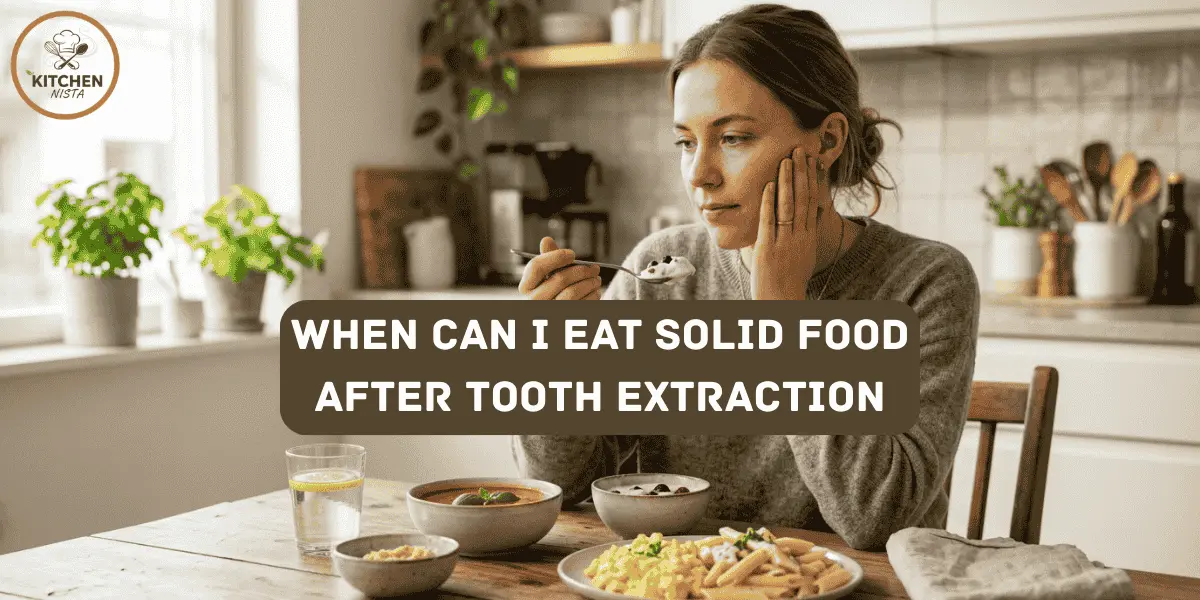
After a tooth removal, even simple things like eating can suddenly feel confusing. You may feel hungry, but at the same time worried about pain, bleeding, or slowing your recovery. Many people ask themselves what food after a tooth extraction is actually safe and when they can return to normal meals again. The truth is, your comfort depends on understanding extraction and your body’s healing process. Eating the wrong thing too early can cause discomfort, while waiting without guidance can make recovery stressful.
| Day | Recommended Foods | Tips |
|---|---|---|
| Day 1 | Smooth soups, yogurt, mashed potatoes | Stick to soft or liquid foods, avoid chewing near extraction site |
| Day 2 | Pudding, soft scrambled eggs, oatmeal | Gradually introduce soft solid foods, avoid hot or spicy |
| Day 3 | Soft sandwiches, cooked vegetables, pasta | Chew on the opposite side of the extraction |
| Day 4–5 | Soft meats, soft rice, pancakes | Start adding more solid foods slowly |
| Day 6–7 | Most favorite solid foods | Eat solid foods slowly, avoid hard, crunchy, or sticky foods |
If you are wondering when you can eat after a tooth extraction or how to safely add solid food after a tooth removal, you are not alone. The good news is that you do not have to guess. By introducing solid foods into your diet step by step and choosing the right meals at the right time, you can protect the healing area and still stay satisfied. This guide will help you understand exactly what to eat, when to eat it, and how to return to normal eating without risking your recovery.
Losing a tooth or undergoing a tooth extraction can leave you unsure about what to eat. You may wonder, “When can I eat solid food after tooth extraction?” Eating too soon can irritate the extraction site, slow healing, or even dislodge the blood clot. But waiting too long can make meals frustrating. This guide will help you know exactly when and how to reintroduce solid foods safely, so your recovery is smooth and comfortable.

After your tooth is removed, your body starts a natural healing process. A blood clot forms in the extraction site to protect the bone and nerves beneath. This clot is fragile during the first 24 to 48 hours. Any pressure, hard chewing, or spicy food could irritate the extraction site and delay healing.
The complexity of the extraction affects your diet too. Gentle tooth extractions heal faster, while wisdom tooth extraction or surgical removals may take longer. During this time, your main goal is to protect the extraction site and let your body do its work.
For the first 24 hours, stick to soft or liquid foods. Avoid chewing near the extraction site. Good options include:
Avoid hot, spicy, or acidic foods that could irritate the extraction site. Do not try to eat solid foods during this time, even if you feel hungry.
Generally, you can start to eat soft solid foods 24 to 48 hours after tooth removal if your extraction site is healing well. Your body may feel ready to chew, but you should still avoid hard or crunchy foods.
Here are signs that you are ready for solid foods:
If you had wisdom tooth extraction, especially lower wisdom teeth, wait a few extra days before trying anything hard to avoid complications.
Remember, everyone heals differently. Listen to your body and avoid foods that could irritate the extraction site.
Start by introducing slightly more solid foods while chewing on the opposite side of the extraction. Examples include soft bread, pasta, or tender cooked vegetables. Gradually increase the firmness of the food over several days.
Tips for a smooth transition:
By gradually introducing solid foods, you protect the extraction site while enjoying your normal diet again.
Some foods can disrupt the healing process or irritate your extraction site. Avoid:
Even after a week, be cautious with these foods until your dentist confirms the extraction site has fully healed.
Proper dental care speeds recovery and helps you eat solid foods safely:
Following these tips ensures that your extraction site heals well and you can return to normal meals without issues.
Eating solid food after tooth extraction depends on your healing process. By listening to your body and gradually reintroducing foods, you can enjoy your meals again safely. Stick to soft foods first, avoid hard or crunchy items, and follow dental care tips to make your recovery smooth and comfortable.